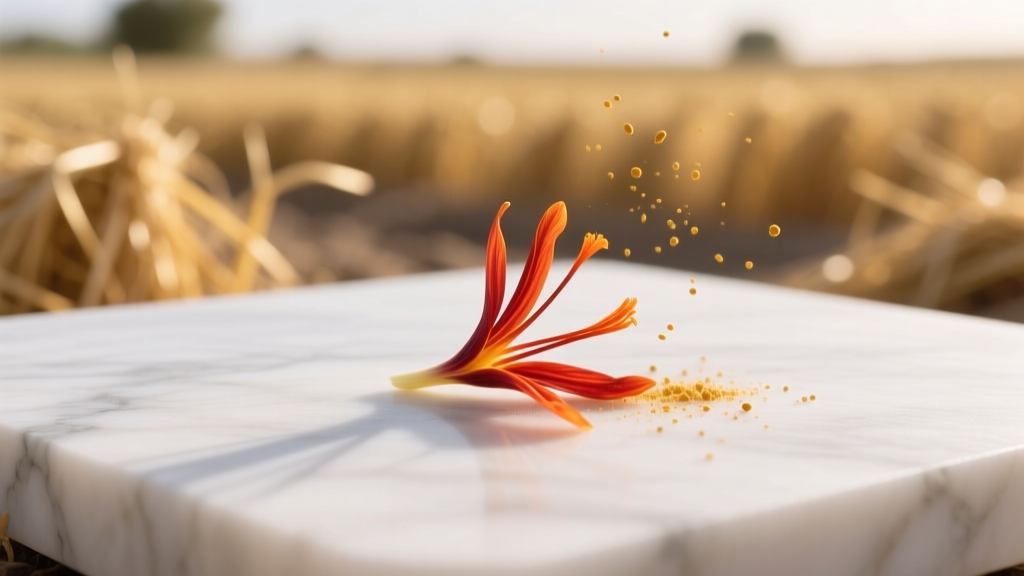
Saffron: Why It Costs $5,000/kg
What Makes Saffron So Expensive?
Saffron comes from the stigmas (female reproductive parts) of the Crocus sativus flower. Each flower produces exactly three stigmas, which must be hand-picked during a two-week bloom period each autumn. It takes approximately 75,000 flowers — picked by hand — to produce one pound of saffron. No machine has ever been designed that can replicate this delicate harvest.
The Harvest Process
- Dawn picking: Flowers must be harvested before sunrise, when the stigmas are still protected inside closed petals
- Same-day separation: Workers carefully pluck the three red stigmas from each flower by hand
- Low-temperature drying: Stigmas are dried at controlled temperatures to preserve flavor compounds
- Yield: 150 flowers produce approximately 1 gram of dried saffron
How to Identify Real Saffron
Real saffron threads are trumpet-shaped (wider at one end), deep red with occasional orange tips, and should turn water yellow (not red) when soaked. Fake saffron is often dyed corn silk, safflower, or coconut threads. If the water turns red immediately, it's dyed and fake. Real saffron releases color slowly over 10-15 minutes.
Proper Usage
Always bloom saffron in warm (not boiling) liquid for 15-20 minutes before adding to your dish. A pinch (about 20 threads) is enough for a dish serving 4-6 people. The key flavor compound, safranal, is heat-sensitive — add saffron-infused liquid in the last 10 minutes of cooking.
Dishes Worth the Investment
Paella, risotto alla Milanese, Persian tahdig, bouillabaisse, and Swedish saffron buns (lussekatter) are dishes where saffron is not just a colorant but the soul of the recipe. In these dishes, no substitute can replicate saffron's unique honey-hay-metallic flavor profile.
More Articles
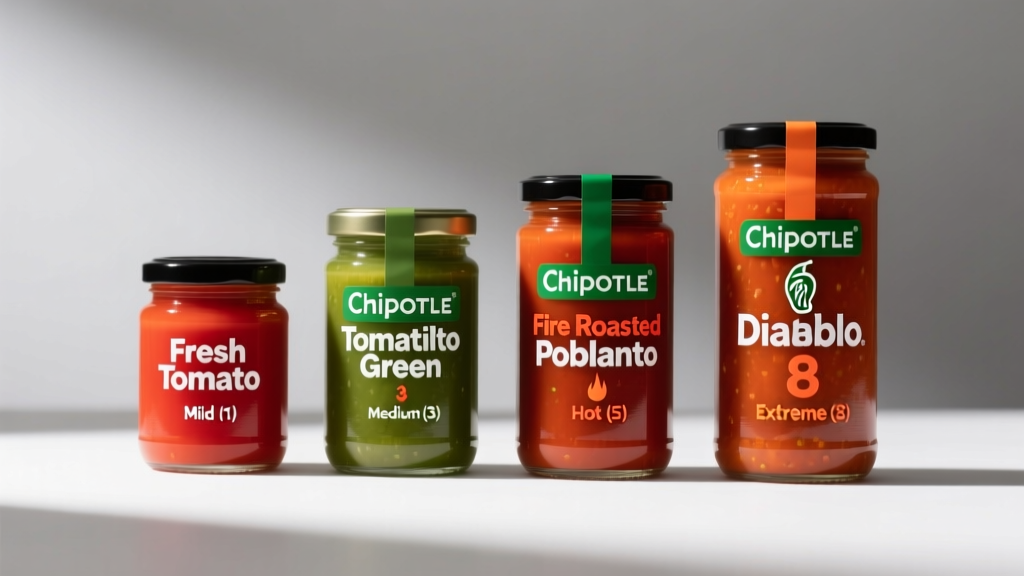 Chipotle Salsa Spice Levels Explained (Actual Heat Ratings)
 Crispy Roasted Garlic Potatoes Recipe: Simple & Perfect
 Clove Seeds: Understanding the Common Misconception
 Tokyo Spinach Meaning: What It Really Is (Not Spinach!)
 Sumac: The Tangy Berry You Should Try
 Perfect Potato Rolls Recipe: Soft Homemade Dinner Rolls
 Dill Herb: Visual ID & Flavor Guide
 Smoked Paprika Types: Dulce, Agridulce, Picante Explained (With Pairing Guide)
Smart Spice Storage and Usage Tips
Sumac Spice: Tangy Flavor Guide and Uses
Smoked Paprika Types: Dulce, Agridulce, Picante Explained (With Pairing Guide)
Smart Spice Storage and Usage Tips
Sumac Spice: Tangy Flavor Guide and Uses