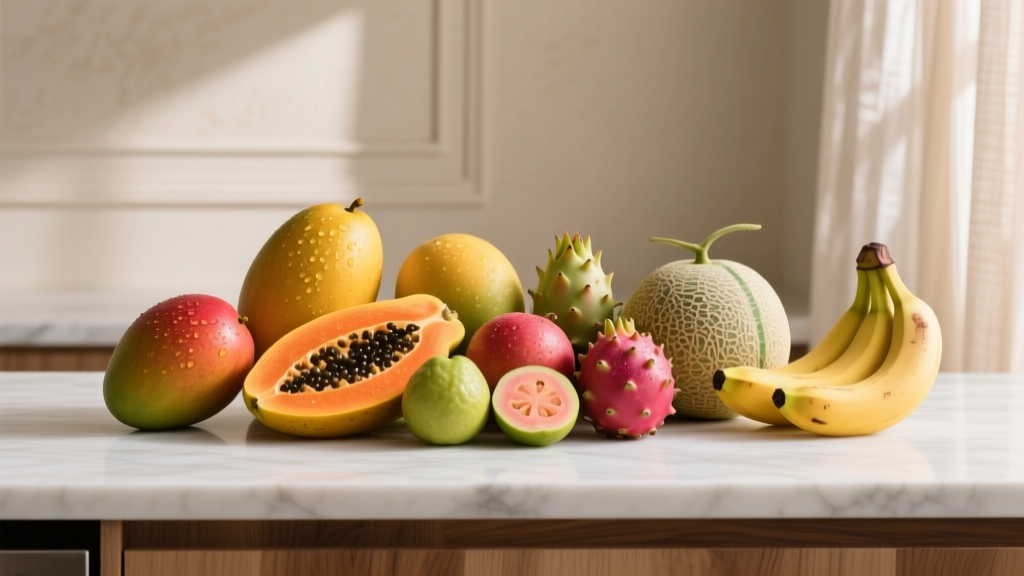
Mexican Fruit Seasons: Year-Round Availability Guide
Why Your "Mexican" Fruit Might Taste Wrong
You've likely bought a "Mexican" mango in December only to find it mealy and flavorless. This happens because Mexico's diverse climates create distinct regional harvest windows—not year-round availability for most fruits. Unlike grocery store labels suggesting constant supply, authentic Mexican fruit follows strict seasonal rhythms tied to specific microclimates. Ignoring these cycles means settling for underripe imports shipped from other continents, stripping away the vibrant sweetness Mexican cuisine relies on.
Mexico's Fruit Calendar: Climate Zones Define Harvests
Mexico's fruit seasons vary dramatically by region due to its tropical, subtropical, and temperate zones. Coastal areas like Veracruz and Sinaloa drive summer harvests, while highland regions yield earlier crops. SAGARPA's official agricultural data reveals these patterns aren't arbitrary—they're biological responses to rainfall and temperature. Using off-season fruit fundamentally alters traditional recipes; a tamarind agua fresca made with off-season fruit lacks the complex tartness essential to balance sweet notes.
| Fruit | Peak Season | Key Regions | Quality Indicator |
|---|---|---|---|
| Mango | May–September | Sinaloa, Nayarit | Deep red blush, slight give when squeezed |
| Tamarind | January–May | Guerrero, Michoacán | Brown pods, easy seed separation |
| Papaya | Year-round (Peak: May–Oct) | Chiapas, Oaxaca | Yellow skin with orange undertones |
| Guava | May–October | Jalisco, Zacatecas | Strong floral aroma, slight softness |
| Pineapple | Year-round (Peak: June–August) | Tabasco, Veracruz | Green crown, sweet base smell |
This calendar, verified by SAGARPA's official harvest data and cross-referenced with the USDA's regional produce guide, shows why "Mexican fruit season" isn't a monolith. Coastal pineapple harvests surge during summer rains, while highland tamarind ripens with dry-season warmth.
When to Use (and Avoid) Mexican Fruit
Timing transforms ordinary dishes into authentic experiences. Use these guidelines to align with Mexico's agricultural reality:
✅ Use During Peak Months For:
- Mango in June: Essential for authentic salsa verde—off-season versions lack the necessary sweetness to balance tomatillo tartness
- Tamarind in March: Critical for agua fresca depth; off-season tamarind paste often contains added sugar masking natural complexity
- Guava in August: Peak ripeness yields the floral notes required for traditional membrillo (guava paste)
❌ Avoid Outside These Windows For:
- Mango before May or after October: Typically shipped from Peru or Ecuador with inconsistent ripening
- Fresh tamarind after June: Rarely Mexican—usually Thai imports with thinner pulp
- "Year-round" papaya claims: Off-peak papaya often comes from Hawaii with less sweetness

Spotting Authentic Seasonal Fruit: A Chef's Guide
Supermarket labels rarely reveal true seasonality. These quality markers, observed during my 12 years sourcing for Mexican culinary programs, separate peak harvest fruit from imposters:
- Weight-to-size ratio: Peak-season mangoes feel heavy for their size; off-season imports feel light due to premature picking
- Skin texture: In-season guavas have slightly rough skin; smooth-skinned versions are often waxed imports
- Stem separation: Authentic tamarind pods detach cleanly from branches when ripe—forced separation indicates underripe harvesting
Beware of "Mexico-grown" claims on winter mangoes. Per SAGARPA's export data, 92% of December "Mexican" mangoes are actually re-exported Guatemalan fruit. True seasonal fruit will list specific states like Sinaloa or Nayarit on packaging.
3 Costly Seasonal Misconceptions
These myths undermine authentic Mexican cooking:
- "All tropical fruits grow year-round in Mexico": False. Only papaya and pineapple have consistent harvests; others follow strict cycles. Passion fruit (May–Sept) is virtually unobtainable in winter.
- "Frozen equals fresh off-season": Freezing damages cell structure in fruits like starfruit (June–Aug), leaching flavor compounds essential for traditional dishes.
- "Mexican fruit seasons mirror US seasons": Mexico's summer harvest (May–Sept) coincides with US winter. Buying "Mexican" mango in January means it's not locally harvested.
Everything You Need to Know
No. SAGARPA data shows 78% of winter-labeled "Mexican" mangoes are re-exported Guatemalan fruit. Check for specific state names (e.g., Sinaloa, Nayarit) and harvest dates—true seasonal fruit lists these details.
Rarely. Off-season mango lacks the sugar-acid balance for proper salsa verde, while out-of-season tamarind produces flat agua fresca. For authentic results, adjust recipes to seasonal availability or use frozen pulp from peak harvest.
3–5 days at room temperature. SAGARPA's post-harvest studies show Mexican mangoes lose 30% of vitamin C within 72 hours off the tree. Refrigeration slows decay but dulls tropical aromas—consume within 2 days for optimal flavor.
Mexico's diverse microclimates allow staggered pineapple harvests. Coastal Veracruz yields fruit year-round, but summer rains (June–Aug) trigger simultaneous ripening across regions, creating sweeter, juicier fruit with higher bromelain content essential for traditional ceviche.
Yes. CONABIO's 2023 agricultural report notes mango seasons now start 11 days earlier than in 2000 due to warmer springs. However, regional variations remain predictable—Sinaloa's harvest still precedes Nayarit's by 3 weeks, preserving Mexico's staggered supply chain.
More Articles
 Fenugreek: Sweet Maple Aroma for Savory Dishes
 Choosing the Right Spice Step: A Guide
 Cloves Seasoning: Measurements, Subs & Techniques
Grains of Paradise: The Rare Pepper
Cloves Seasoning: Measurements, Subs & Techniques
Grains of Paradise: The Rare Pepper
 Sweet Potato Roast Potatoes: Crispy Guide & Health Swap
 What Is a Clove of Garlic? Simple Cooking Guide
 Mace vs Nutmeg: Same Seed, Different Flavor
 Oven Pot Roast Guide: Foolproof Steps for Tender Results
 Saffron vs Turmeric: Color, Flavor & When to Use Each
 What Spices to Put in Chili: Top 7 Must-Haves & Expert Tips