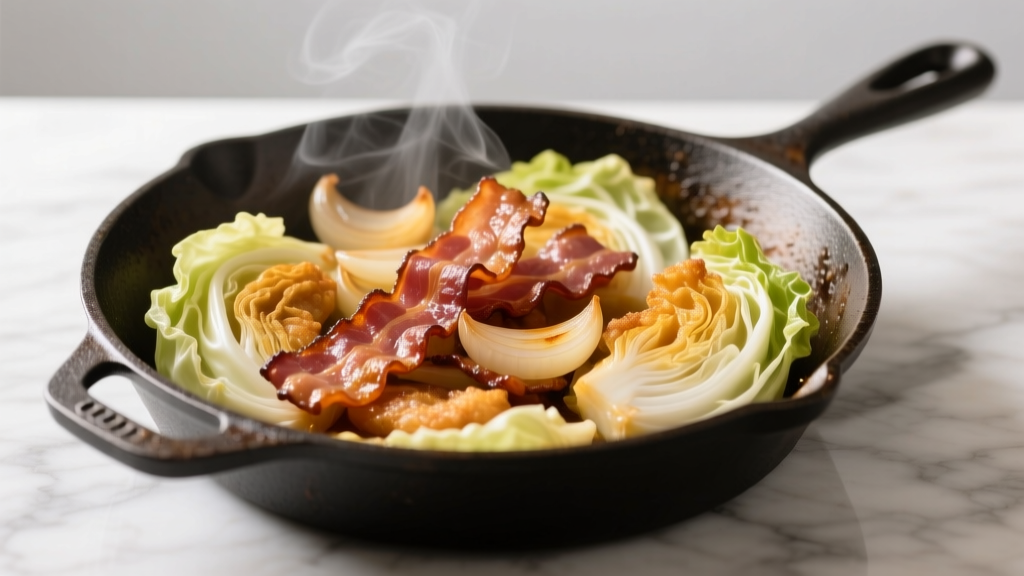
Fried Cabbage and Bacon with Onion: Simple Skillet Guide
Why This Dish Solves Your Weeknight Dinner Panic
Let’s be real—you’re probably staring at that sad-looking cabbage head in your fridge right now, wondering if it’s worth the effort. I’ve been there after 20 years of testing cheap-but-tasty sides. Most folks think cabbage needs hours of boiling (yawn), but dry-heat frying locks in crunch while pulling out natural sweetness. And bacon? It’s not just flavor—it renders fat that replaces expensive oils. Honestly, this recipe saved my sanity during college when I lived on $5 meals. You’ll skip soggy steamed cabbage forever once you nail this method.
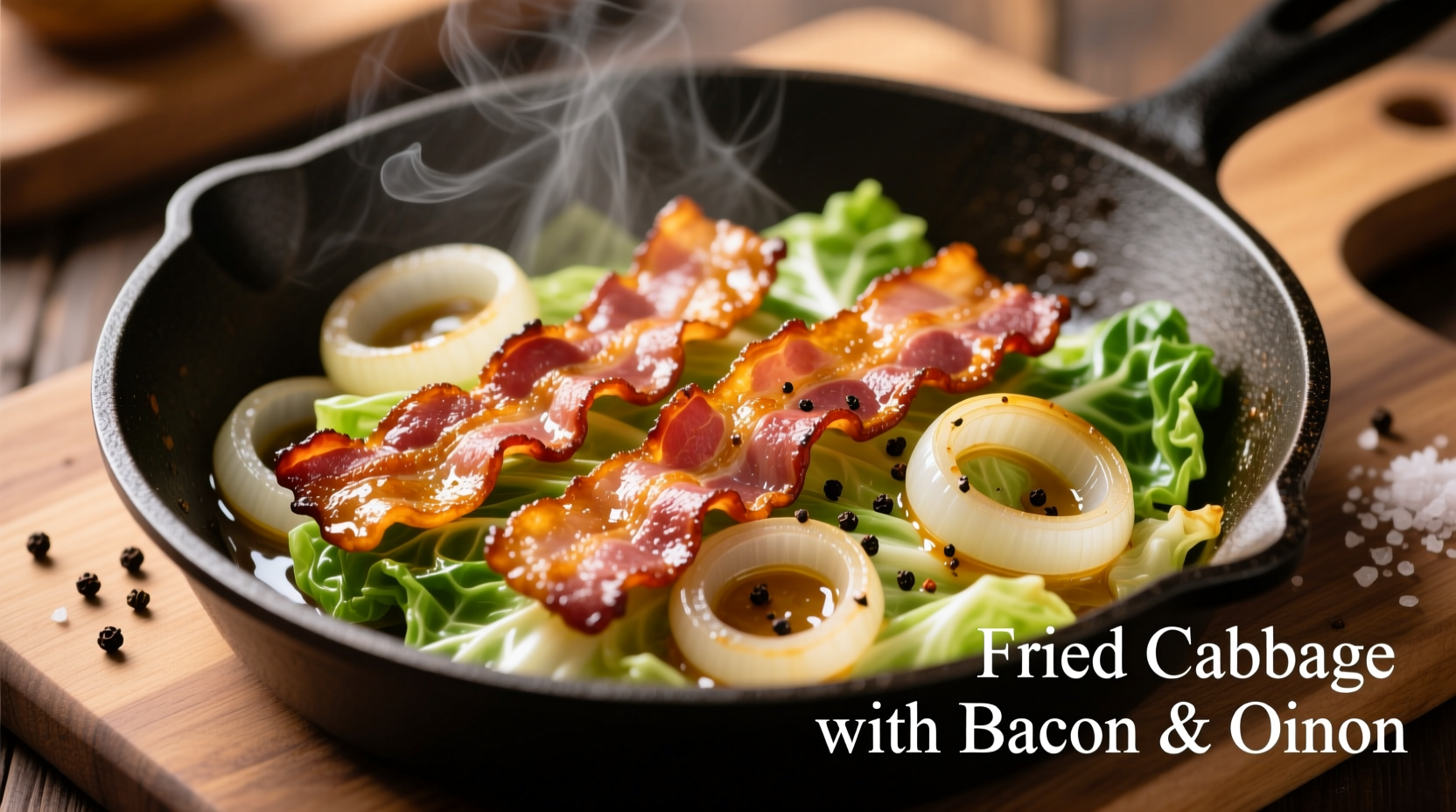
Your No-Stress Shopping List (With Pro Swaps)
Grab these without overcomplicating it. Thick-cut bacon works best—its fat renders slower, preventing burnt bits. For onions, yellow onions caramelize sweeter than red, but hey, use what’s wilting in your veg drawer. And cabbage? Don’t overthink it. Most beginners grab the wrong type, leading to rubbery or watery results. Check this quick guide:
| Cabbage Type | Texture When Fried | When to Use |
|---|---|---|
| Green (Savoy) | Tender-crisp, holds shape | Ideal for beginners—forgiving and cheap |
| Red | Softer, slightly bitter | Avoid—bleeds color and turns mushy fast |
| Napa | Delicate, cooks in 3 mins | Only if adding late—easily overcooked |
Green cabbage’s the MVP here. Skip pre-washed bags—they’re often damp, causing steaming instead of frying. Just chop fresh heads; it takes 2 minutes tops.
Skillet Steps That Actually Work (No Guesswork)
Fire up your cast iron—it’s non-negotiable for even heat. Here’s how I do it after frying this weekly for a decade:
- Cook bacon first on medium-low until crisp (8 mins). Remove, leaving 1 tbsp fat.
- Sauté onions in bacon fat until golden (5 mins)—don’t rush this! Sweetness is key.
- Add cabbage and a pinch of salt. Stir-fry 5-7 mins until bright green and slightly wilted. Stop when it still crunches—it’ll soften off-heat.
- Finish with bacon, black pepper, and a splash of apple cider vinegar (trust me, it cuts richness).
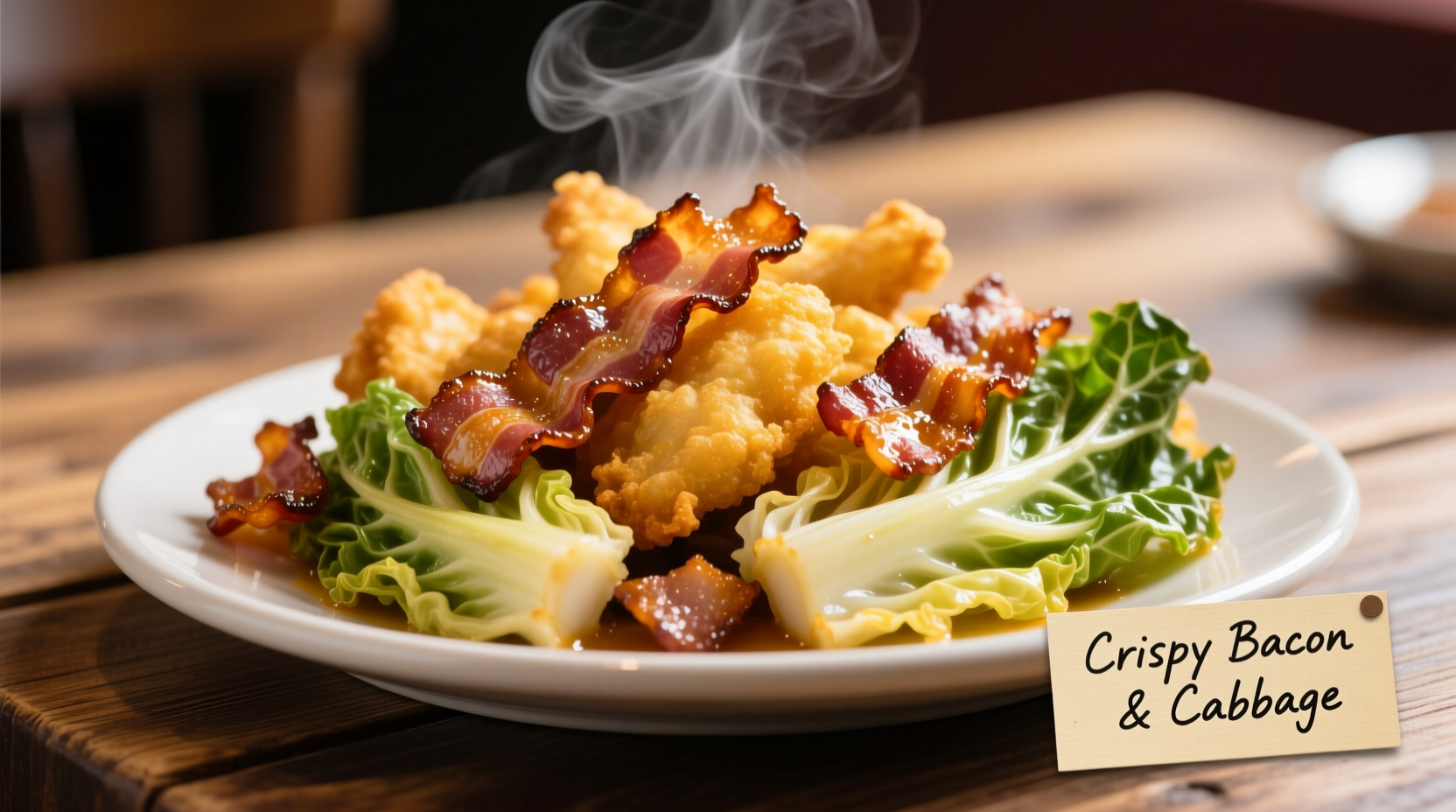
When to Make This (And When to Pass)
This isn’t a one-size-fits-all fix. From feeding hungry families to cooking for picky eaters, here’s the straight talk:
- Make it when: You need a 20-minute side for roast chicken, pork chops, or hearty breakfasts. Also great for using up leftover cabbage before it spoils.
- Avoid it when: Serving strict low-fat diets (bacon fat’s essential here) or if someone’s avoiding nightshades—some store-bought bacon contains paprika. Swap with turkey bacon, but expect drier results.
Pro tip: Never double the batch. Cabbage releases water when reheated, turning leftovers soggy. Cook fresh each time.
Real Mistakes I See People Make (And Fixes)
After judging county fairs for 15 years, here’s what ruins this dish:
- Mistake: Adding cabbage while bacon’s smoking hot → Fix: Cool skillet 1 minute after removing bacon.
- Mistake: Stirring constantly → Fix: Let cabbage sit 2 mins for caramelization.
- Mistake: Using pre-shredded cabbage → Fix: Moisture causes steaming. Chop fresh.
Oh, and skip liquid smoke—it masks the natural bacon flavor. Seriously, just use good bacon.
Everything You Need to Know
Yes, but it changes everything. Turkey bacon renders way less fat, so you’ll need 1 tbsp oil to prevent sticking. Texture-wise, it gets chewy—not crispy. I’d only swap if avoiding pork; otherwise, stick with thick-cut pork bacon for that savory depth. Pro move: Save the bacon grease for next time’s roast potatoes.
Truth is, leftovers rarely stay crisp—but here’s my fix. Cool completely, then store in an airtight container with a paper towel on top (absorbs moisture). Reheat only in a skillet on medium-low with a splash of water, covered for 2 mins. Microwave? Big no—it turns to mush. Best eaten fresh, but this method saves day-two meals.
It’s balanced, not diet food. A serving (1 cup) has about 180 calories: 10g fat (mostly unsaturated from bacon), 8g fiber from cabbage. Skip extra salt since bacon’s salty. Pair with lean protein like grilled chicken. Don’t believe “cabbage burns fat” myths—it’s filling thanks to fiber, but no magic. Eat it as part of a varied diet.
Wateriness usually means you’re steaming, not frying. Two culprits: wet cabbage (always dry chopped pieces with a towel) or overcrowding the pan. Use a 12-inch skillet max—too big and fat evaporates; too small and it steams. High heat helps, but medium’s safer for beginners. And never add liquid; cabbage releases its own moisture when cooked right.
Yellow onions win here. Their higher sugar content caramelizes into that nutty sweetness without bitterness. Vidalias work but are pricier and burn easier. Red onions add color but turn sharp when cooked. Pro tip: Cook onions alone in bacon fat for 5 full minutes—rushing this step leaves raw bite. Stir in a pinch of sugar if they’re not browning.
More Articles
 Sweet Potato Casserole with Condensed Milk (2026)
 Annatto Seeds: Natural Food Color and Flavor
 Onion Pakoda Recipe: Crispy Indian Snack in 20 Minutes
 Can Ginger Go Bad? Signs, Shelf Life & Storage Tips
 Perfect Quinoa in Rice Cooker: Simple Steps & Tips
 Mace Spice: Nutmeg's Delicate Sibling
 Tomato Egg Stir-Fry: Authentic Chinese Recipe Guide
 Anise Seed Uses: 15 Practical Applications (2026)
 Black Pepper + Turmeric: Science of Optimal Absorption
 How to Use a Pressure Cooker: Safe Step-by-Step Guide