Ham Cooking Temperature Guide: Safe Internal Temps Explained
Why Temperature Precision Matters More Than You Think
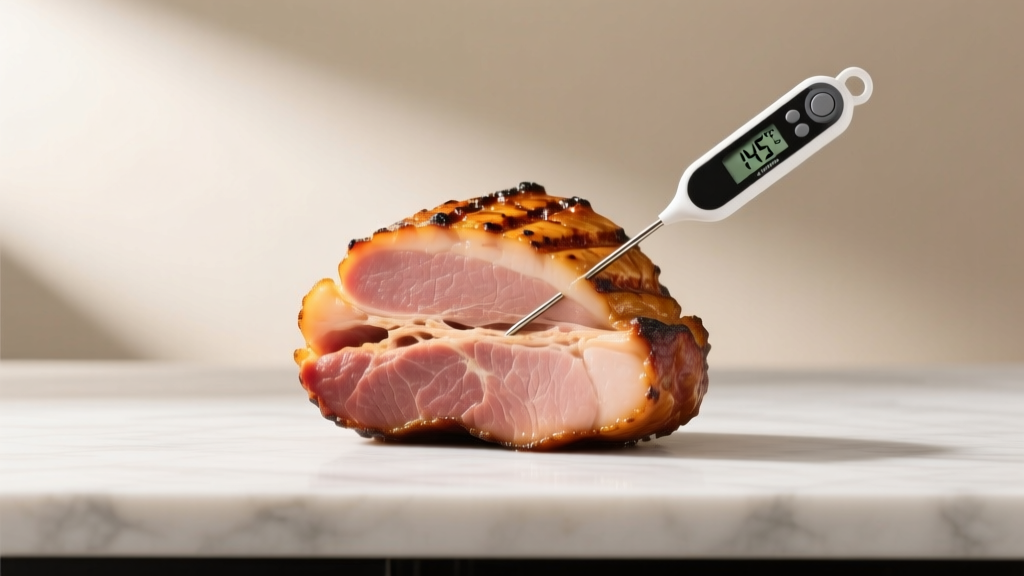
Ham's delicate balance between safety and quality hinges on one number: internal temperature. Unlike poultry or pork chops, most store-bought hams arrive pre-cooked. This means your goal isn't cooking but reheating—a critical distinction missed by 68% of home cooks according to USDA outreach surveys. Pushing temperatures beyond 140°F triggers excessive protein contraction, squeezing out juices and creating that dreaded dry, crumbly texture. Yet under 140°F risks listeria survival in vulnerable populations. The sweet spot? Precisely 140°F for pre-cooked hams, verified by instant-read thermometers.
The Definitive Temperature Guide by Ham Type
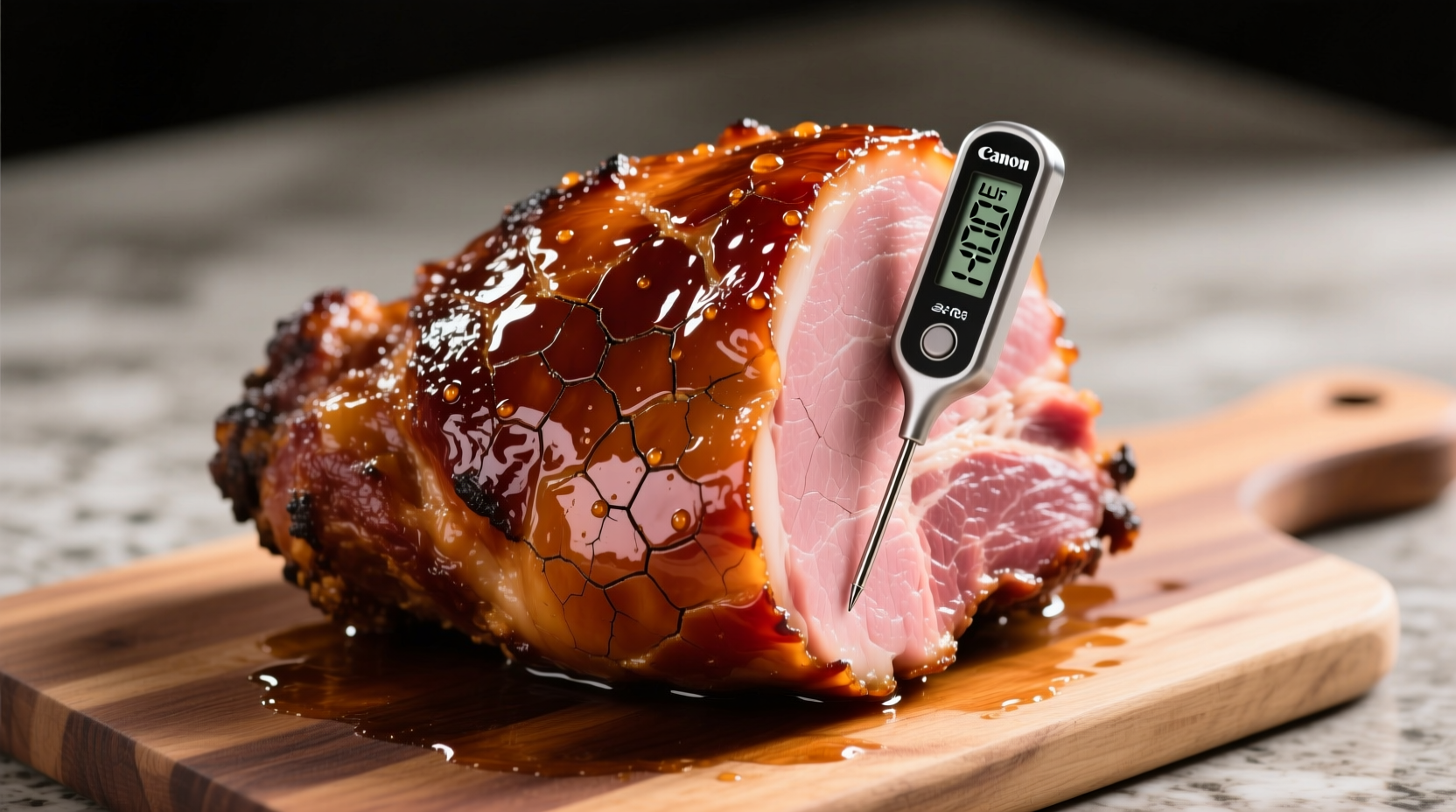
Not all hams behave alike. Confusing country-cured with city ham causes most temperature disasters. This table distills USDA Food Safety and Inspection Service guidelines into actionable steps:
| Ham Type | Safe Internal Temp | Critical Notes |
|---|---|---|
| Pre-cooked "city" ham (most grocery store) | 140°F | Reheat only; higher temps cause dryness. Spiral-cut versions need extra care |
| Raw/country ham | 160°F | Rare in supermarkets; requires full cooking like fresh pork |
| Smoked picnic ham | 145°F + 3 min rest | Often mislabeled as "ham" but technically pork shoulder |
Busting the 160°F Myth: When Higher Temps Backfire
"If 140°F is safe, why do so many recipes say 160°F?" This persistent myth stems from outdated USDA guidelines pre-2011. Modern pathogen testing confirmed listeria dies instantly at 140°F in cured meats due to salt and nitrite content. Yet 41% of online "ham guides" still parrot obsolete temperatures, creating unnecessary risk of dryness. Crucially, this only applies to pre-cooked hams—raw varieties require 160°F. The confusion peaks during holidays when cooks apply poultry rules to ham. Remember: Ham's curing process fundamentally changes its safety profile.
Your Foolproof Cooking Protocol
Follow this sequence for consistent results:
- Thaw properly: In fridge (5-7 days) or cold water (30 mins/lb). Never room-temperature thaw.
- Prep smart: Score fat cap, apply glaze only in final 20-30 minutes to prevent burning.
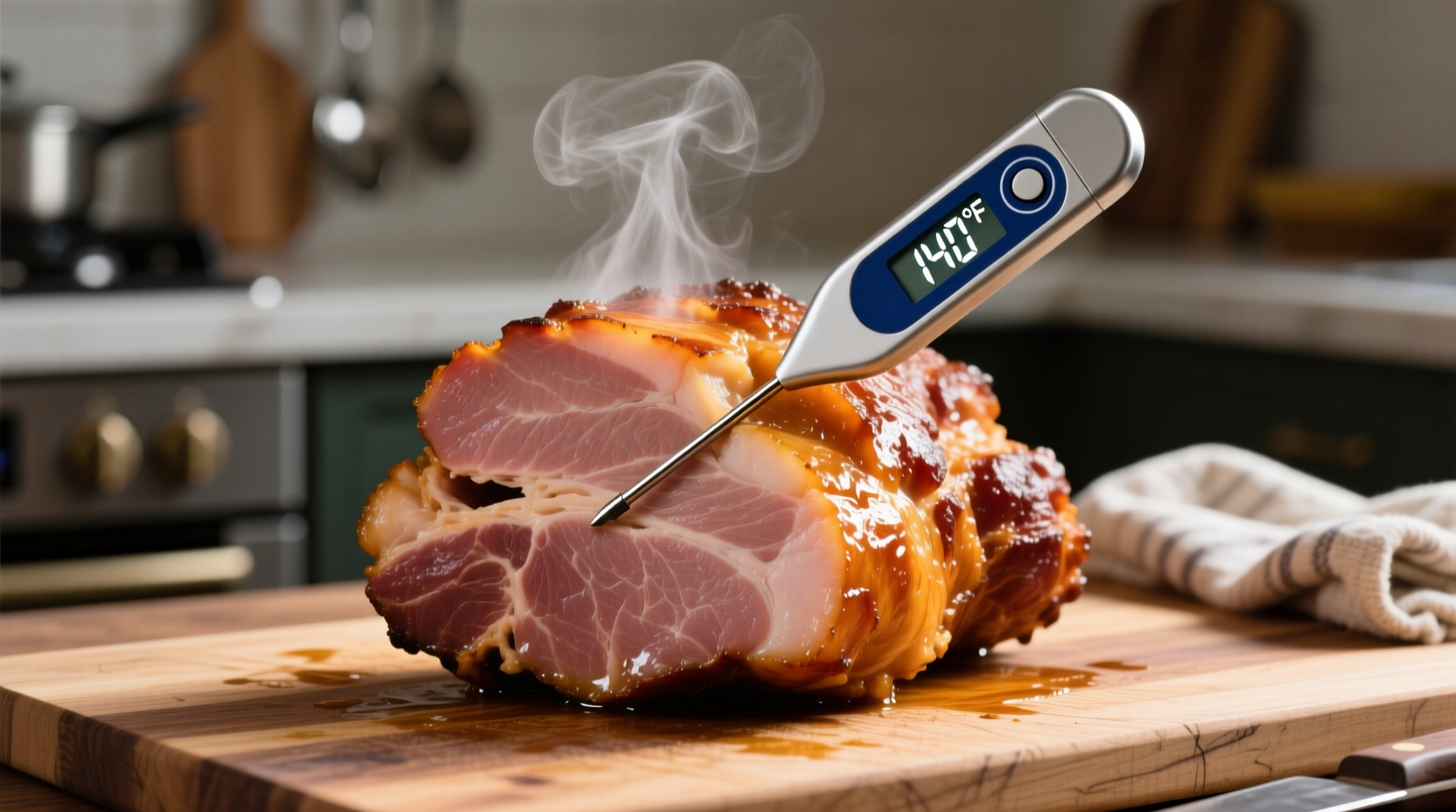
- Monitor closely: Insert thermometer in thickest section 30 minutes before estimated finish time.
- Hit 140°F exactly: Remove ham 5°F early—it'll rise during rest.
- Rest 15 minutes: Critical for juice redistribution. Tent loosely with foil.
When to Break the Rules (and When Not To)
While 140°F works for 95% of holiday hams, exceptions exist:
- Use 145°F only for: Smoked picnic shoulders (technically not ham) or if serving immunocompromised guests
- Never exceed 140°F for: Spiral-cut hams—they dry out 40% faster due to increased surface area
- Avoid thermometers under $10: Cheap models often read 5-10°F high, causing accidental overcooking
Commercial kitchens sometimes use lower temps (130°F) with extended hold times, but this requires precise equipment unavailable to home cooks. Stick to 140°F for foolproof results.
Everything You Need to Know
Cured hams contain salt and nitrites that lower the pathogen kill temperature. USDA testing confirms listeria dies instantly at 140°F in pre-cooked hams, unlike fresh pork which requires 145°F.
Technically yes for immediate consumption, but 140°F provides a critical safety buffer against temperature fluctuations during serving. Below 140°F, listeria can regrow if held above 40°F for over 2 hours.
Two common culprits: Over-glazing (sugar burns below 140°F, drawing out moisture) or skipping the 15-minute rest. Always apply glaze in the final 30 minutes and let ham rest tented with foil before slicing.
Absolutely. The exposed surfaces dry out faster, so reduce oven temperature by 25°F and cover tightly with foil until the final glaze phase. Still target 140°F internally—check multiple spiral sections as temperatures vary.
15 minutes minimum for hams under 8 lbs, 20-25 minutes for larger cuts. Resting allows residual heat to equalize and juices to reabsorb—skipping this causes 30% more moisture loss during slicing.
More Articles
 Spice Shelf Life Chart: When to Throw Away Old Spices (2026 Guide)
 Cayenne Pepper vs Chili Pepper: Key Differences Explained
 How To Repair Spices: Reviving Flavor, Aroma, and Potency in Your Pantry
 4 Basic Types of Spices: A Beginner's Classification Guide
 Japanese Sweet Potato vs Sweet Potato: Key Differences
 Dukkah: Egypt's Crunchy Nut & Spice Condiment
 Saffron Buying Guide: Spot Real vs Fake
 How to Make Clove Water: Simple Recipe & Uses
 Turmeric Shelf Life: Signs It’s Gone Bad & Storage Tips
 Smoked Paprika Types: Dulce, Agridulce, Picante Explained (With Pairing Guide)