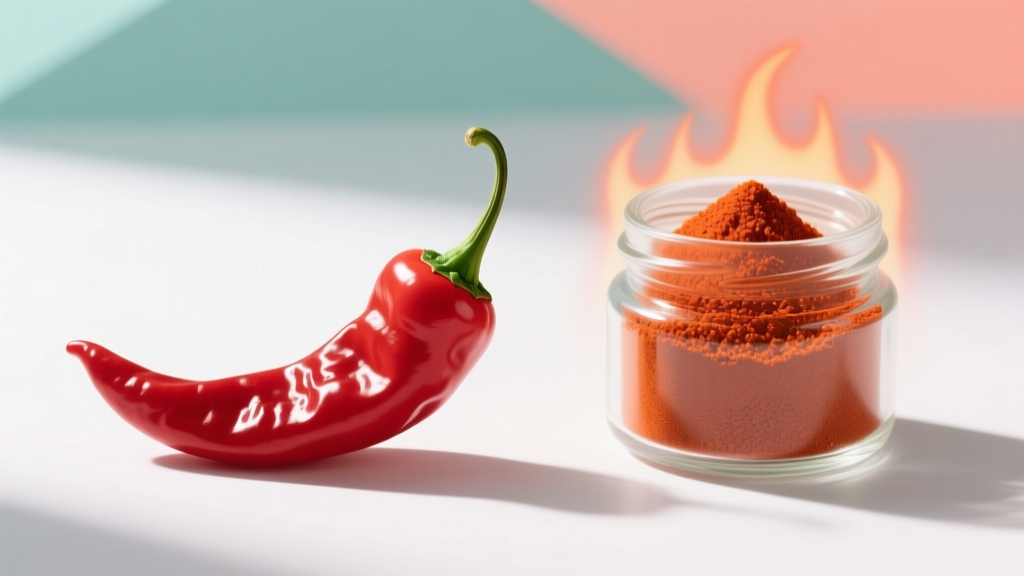
Chili Pepper vs Cayenne Pepper: Heat Level, Flavor, and Substitution Guide
Chili Pepper vs Cayenne Pepper: What's the Difference?
If you've ever stood in the spice aisle wondering whether to grab "chili pepper" or "cayenne pepper," you're not alone. These two spices look similar, share a family tree, and both bring heat to your dishes — but they're far from interchangeable.
Understanding the difference between chili pepper and cayenne pepper can transform your cooking. Whether you're making a slow-cooked chili, seasoning a rub, or adding a kick to your favorite soup, knowing which pepper to reach for matters.
What Is Chili Pepper?
"Chili pepper" is actually a broad category that encompasses thousands of varieties from the Capsicum genus. When recipes or spice blends call for "chili pepper," they typically refer to a ground spice made from a mix of dried chili varieties — often including ancho, pasilla, and jalapeño peppers.
Commercial chili powder (the kind you find in most grocery stores) is frequently a blend that includes not just ground chilies but also cumin, garlic powder, oregano, and sometimes salt. This makes it a complex seasoning rather than a single-ingredient spice.
Heat Level: 1,000–5,000 SHU
Ground chili powder typically rates between 1,000 and 5,000 Scoville Heat Units, making it moderately spicy — enough to add warmth without overwhelming a dish.
Flavor Profile
- Earthy and smoky
- Slightly sweet undertones
- Complex, layered flavor from blended varieties
- Often includes complementary spices in commercial blends
What Is Cayenne Pepper?
Cayenne pepper is a specific variety of chili (Capsicum annuum) that's dried and ground into a fine, vibrant red powder. Unlike generic "chili powder," cayenne is a pure, single-ingredient spice with no additives.
Named after the city of Cayenne in French Guiana, this pepper has been used for thousands of years in Central and South American cooking and has become a staple in kitchens worldwide.
Heat Level: 30,000–50,000 SHU
Cayenne is significantly hotter than generic chili powder — roughly 6 to 50 times hotter. A little goes a long way.
Flavor Profile
- Sharp, direct heat
- Slightly fruity and pungent
- Clean, pure chili flavor without smoky notes
- Predominantly about heat rather than complexity
Key Differences at a Glance
| Feature | Chili Pepper (Powder) | Cayenne Pepper |
|---|---|---|
| Heat Level | 1,000–5,000 SHU | 30,000–50,000 SHU |
| Composition | Often a blend with spices | Pure ground cayenne chili |
| Flavor | Earthy, smoky, complex | Sharp, direct, fruity |
| Best For | Chili, tacos, BBQ rubs | Hot sauces, curries, seasoning |
| Color | Darker, reddish-brown | Bright, vibrant red |
When to Use Chili Pepper
Reach for chili powder when you want depth of flavor along with moderate heat. It's the backbone of:
- Classic chili con carne — the name says it all
- Taco seasoning — provides the base flavor profile
- BBQ rubs — adds earthy warmth to smoked meats
- Texas-style beans — builds a rich, layered broth
When to Use Cayenne Pepper
Use cayenne when you want to add heat without changing the flavor profile of your dish:
- Hot sauces and salsas — pure heat boost
- Curry dishes — traditional heat source in many Indian recipes
- Marinades — adds kick without competing flavors
- Baked goods — a pinch in chocolate or gingerbread for warmth
- Health tonics — used in golden milk and metabolism-boosting drinks
Can You Substitute One for the Other?
Yes, but with adjustments:
Substituting cayenne for chili powder: Use about ¼ to ½ teaspoon of cayenne per tablespoon of chili powder called for, and add cumin, garlic powder, and oregano to make up the flavor gap.
Substituting chili powder for cayenne: Use 3–4 times more chili powder than the cayenne called for, understanding that you'll also add earthy, smoky flavors that may alter the dish.
Health Benefits
Both peppers share impressive health benefits thanks to capsaicin, the compound that gives them their heat:
- Metabolism boost: Capsaicin has been shown to increase calorie burning by up to 8%
- Anti-inflammatory properties: Both peppers contain antioxidants that fight inflammation
- Vitamin content: Rich in vitamins A, C, and E, plus iron and potassium
- Pain relief: Topical capsaicin is used in creams for arthritis and nerve pain
Storage Tips
Both ground peppers lose potency over time. Store them in airtight containers away from light and heat. Ground chili powder stays fresh for about 6–12 months, while cayenne pepper can last 12–18 months. The vibrant red color fading is a good indicator that it's time to replace your spice.
The Bottom Line
Chili pepper and cayenne pepper are cousins, not twins. Chili powder brings complexity and moderate heat, making it ideal for hearty, slow-cooked dishes. Cayenne delivers pure, intense heat in a small package, perfect for when you want to turn up the temperature without changing the flavor profile.
Keep both in your spice rack — they serve different purposes and together give you the flexibility to season any dish perfectly.
More Articles
 Sourdough Garlic Bread: Why It's Better & How to Make It
 How Long to Cook Standing Rib Roast: Exact Timing Guide
 Simple Garlic Fried Rice Recipe: Perfect Every Time
 Japanese Sweet Potato Calories: Complete Nutritional Guide
 Crockpot French Onion Meatloaf with Swiss Cheese
 How to Make Crispy Potato Patties: Simple Recipe Guide
 Best Spice Basics for Black Cooking: Essential Flavors, Authentic Brands, and Practical Applications
 Turkish Red Pepper Paste Alternative: 7 Substitutes Ranked by Flavor Match
 Best Whole Grain Mustard Substitutes for Any Recipe
 Simple Cheesy Cauliflower Soup Recipe Ready in 30 Minutes