Curry Alternatives: Spice Blends That Deliver Warmth, Depth, and Aroma
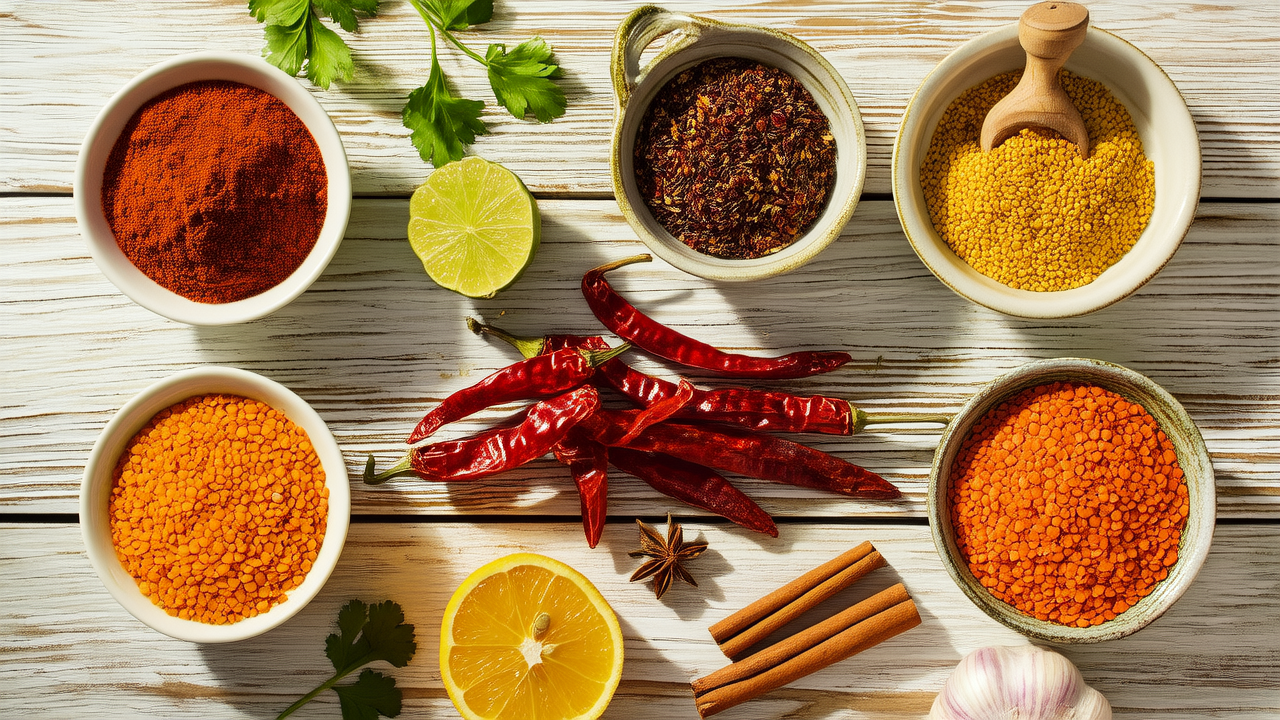
Curry powder is a handy shortcut, but it is not the only way to add warm, layered spice to food. If you want the same confidence without leaning on a generic curry label, alternatives such as garam masala, baharat, ras el hanout, jerk seasoning, Cajun blends, and custom homemade mixes can transform roasted vegetables, lentils, chicken, fish, and grain bowls. This article explains how each blend works, how to measure it, which commercial brands are worth buying, and how to adapt recipes so the final dish tastes intentional, balanced, and delicious. Use the following notes as a practical kitchen map rather than a rigid rulebook.
Why Reach for a Blend Other Than Curry
Curry powder is a broad convenience category. In a supermarket, the label may mean a mild yellow blend for eggs, a reddish hot curry powder for Indian-style cooking, or a salt-heavy seasoning mix for quick stir-fry. That ambiguity is not a flaw, but it can be limiting when you want a specific regional mood. If a recipe calls for garam masala, ras el hanout, or jerk seasoning, using curry powder may still taste good, yet it can miss the aromatic top notes and cultural context that make the dish feel precise.
Many commercial curry powders contain turmeric as a major ingredient, often between 15 and 30 percent by weight, depending on the brand and style. Turmeric gives a golden color and earthy bitterness, but it is not always the flavor you want. For a Moroccan-inspired tagine, you may prefer cinnamon, ginger, and rose petals. For a Caribbean chicken, you may want allspice, thyme, and Scotch bonnet heat. For an Indian finish, you may want cardamom and clove added late so they do not turn harsh.
Alternatives also help you control heat. A plain curry powder can be surprisingly hot if it contains a generous share of cayenne or chili flakes. A measured approach is to start with 1/2 teaspoon of a warm blend per 4 servings, then add another 1/4 teaspoon after tasting. If you need more heat, add cayenne separately rather than increasing the whole blend, because that keeps the aromatic profile intact while allowing you to dial the heat level up or down.
- Choose garam masala when you want a sweet, warm, Indian finish without turmeric color.
- Choose baharat when you want allspice, black pepper, cinnamon, and clove in lamb, tomato sauce, or rice.
- Choose ras el hanout when you want a complex North African blend for chicken, couscous, roasted squash, or dried fruit.
- Choose jerk seasoning when you want allspice, thyme, scallion, and Scotch bonnet heat for poultry, pork, or grilled fish.
- Choose Cajun or blackened blends when you want paprika, garlic, onion, oregano, and cayenne for shrimp, potatoes, and skillet meals.
The best substitute is not the closest generic flavor, but the blend that matches the dish you are building. A curry alternative can be more savory, more floral, more smoky, or more sweet. The next sections treat each blend as a tool with a starting amount, a food pair, and a brand or two to try.
Garam Masala: The Indian Warm-Blend Alternative
How Garam Masala Differs From Curry Powder
Garam masala translates loosely as hot spice, but it is not necessarily hot in the chili sense. It is warm from cinnamon, cardamom, cloves, black pepper, cumin, coriander, and sometimes nutmeg or mace. Many traditional versions are added near the end of cooking so the volatile oils remain bright. That is a major difference from many curry powders, which are often cooked early and carry turmeric, fenugreek, mustard, and chili in a more robust base.
In practice, garam masala is less about color and more about aroma. If a dal tastes flat, a 1/2 teaspoon stirred in off the heat can lift it. If a chicken curry needs finish, 3/4 teaspoon per 2 pounds of meat can give depth. Because garam masala is usually more delicate than curry powder, you can use slightly less, then add more at the end. A good starting point is 1/2 teaspoon per 4 servings, with 1/4 teaspoon extra reserved for finishing.
Best Garam Masala Blends to Buy
If you buy one jar, look for a blend that lists whole spices rather than vague seasonings and does not contain added salt unless you want it. Penzeys Indian Garam Masala is a widely available option with a clean, warm profile. Diaspora Co. Garam Masala is known for sourcing Indian spices and tends to feel more aromatic and less dusty. McCormick Garam Masala is easy to find and useful for everyday cooking, though it may be milder than specialty brands. Badia Garam Masala is another accessible option, and Burlap and Barrel offers blends that can feel more single-origin and vibrant.
When comparing brands, check the ingredient list for coriander, cumin, black pepper, cinnamon, cardamom, cloves, and nutmeg. If the blend includes salt, reduce added salt in the recipe by about 1/4 teaspoon per teaspoon of garam masala, or taste before seasoning. Ground spices lose aroma fastest; for best results, use garam masala within 6 months after opening and store it away from the stove.
Baharat and Ras El Hanout: Middle Eastern and North African Alternatives
Baharat is an Arabic term that can mean a warm spice blend, and it often includes allspice, black pepper, cinnamon, clove, nutmeg, coriander, and cumin. Ras el hanout, a Moroccan blend, can be broader, sometimes containing 15 or more ingredients, including rose petals, lavender, cinnamon, ginger, nutmeg, mace, anise, and dried chilies. These are not identical, but both can replace curry powder when you want a more aromatic, less turmeric-heavy flavor.
How to Use Baharat and Ras El Hanout Without Overpowering
Start with 1/2 teaspoon per 4 servings for baharat and 3/4 teaspoon per 4 servings for ras el hanout, because ras el hanout often tastes more layered and can be less concentrated in any one note. For lamb kofta, mix 1 teaspoon baharat into 1 pound of ground lamb with salt, pepper, garlic, and parsley. For roasted cauliflower, toss the vegetable with olive oil, 3/4 teaspoon ras el hanout, and a pinch of flaky salt, then roast at 425 F until browned. If the blend contains chili, taste before adding cayenne separately.
Commercial options vary widely. Rumi Spice Afghan Baharat is known for a clean, pungent allspice and black pepper profile. Penzeys Baharat is a reliable supermarket-level specialty option. Burlap and Barrel Ras el Hanout is a good choice if you want a more complex blend with aromatic top notes. Badia and McCormick also carry versions that are easy to find, but their formulas can be milder or more salt-forward depending on the product line.
Jerk, Cajun, and Smoky Blends for Savory Heat
Jerk Spice Mix: Caribbean Complexity
Jerk seasoning is one of the best curry alternatives when you want savory heat, herbal brightness, and allspice warmth. A dry jerk mix commonly includes allspice, thyme, scallion powder, garlic powder, onion powder, ginger, nutmeg, cinnamon, black pepper, and cayenne or Scotch bonnet powder. Because many commercial blends contain salt and sugar, read the label. If you are making a wet marinade, combine 2 tablespoons dry jerk seasoning with 2 tablespoons lime juice, 1 tablespoon olive oil, and 1 minced garlic clove per 1.5 pounds of chicken.
Use jerk on pork chops, drumsticks, fish, tofu, and roasted potatoes. It is especially good with char because allspice and thyme become deeper when heated. If you are worried about heat, choose a mild jerk blend or reduce the cayenne fraction by adding 1/2 teaspoon paprika for every 1/4 teaspoon extra heat you want to soften. Badia, McCormick, and Penzeys all sell jerk-style blends; Caribbean-focused brands may be harder to find but can offer more authentic thyme and allspice notes.
Cajun and Blackened Seasonings
Cajun seasoning and blackened seasoning can replace curry powder in weeknight dishes, but they bring a different logic: paprika, garlic, onion, oregano, thyme, cayenne, and black pepper. They are excellent for shrimp, catfish, chicken thighs, potatoes, and sausage. Tony Chachere's Original Creole Seasoning is a classic, and Zatarain's and McCormick make accessible Cajun-style blends. Lawry's Seasoned Salt is not a full Cajun blend, but it can be combined with paprika, garlic powder, onion powder, oregano, and cayenne to make a quick blackened seasoning.
A simple homemade blackened blend uses 2 tablespoons paprika, 1 teaspoon garlic powder, 1 teaspoon onion powder, 1/2 teaspoon dried oregano, 1/2 teaspoon dried thyme, 1/2 teaspoon cayenne, and 1/2 teaspoon black pepper. For a more traditional Cajun feel, add 1 teaspoon salt and 1/2 teaspoon ground mustard. Use 1 teaspoon per pound of protein, then adjust. Because these blends can be salty, reduce added salt by half if you are also using soy sauce, stock, or seasoned butter.
Build Your Own Curry Alternative at Home
Home blends let you avoid turmeric, lower sodium, and match a dish with more control. A good framework is to build three layers: a base, a warm aromatic, and a heat or acid lift. The base carries volume and earthiness, the warm aromatic gives the finished flavor, and the heat or acid lift makes the blend feel alive. You can scale this up and store it in a small jar.
- Start with 3 tablespoons ground coriander and 2 tablespoons ground cumin for the base.
- Add 1 tablespoon paprika for color and a rounded sweetness.
- Stir in 1 1/2 teaspoons ground cinnamon, 1 teaspoon ground cardamom, and 1/2 teaspoon ground cloves for warmth.
- Add 1 teaspoon black pepper and 1/2 to 1 teaspoon cayenne depending on heat tolerance.
- Finish with 1 teaspoon dried thyme or oregano if you want a savory Mediterranean or Caribbean edge.
- Store in an airtight glass jar away from light, and use within 3 to 6 months for best aroma.
For a garam masala-style finish, remove turmeric entirely and emphasize cinnamon, cardamom, cloves, black pepper, and a little cumin. For a baharat-style blend, use equal parts allspice and black pepper, then add cinnamon, clove, coriander, and a small amount of nutmeg. For a ras el hanout-style blend, add rose petals, lavender, ginger, and a pinch of chili flakes, but use florals sparingly; too much rose can taste soapy. For a jerk-style blend, emphasize allspice, thyme, scallion, ginger, and Scotch bonnet powder.
- For low sodium, omit salt and add a flaky salt at the table.
- For low heat, replace cayenne with paprika and keep black pepper at 1/2 teaspoon per 3 tablespoons blend.
- For more floral aroma, add 1/4 teaspoon dried rose petals per 3 tablespoons blend.
- For a smoky profile, add 1 teaspoon chipotle powder or 2 teaspoons smoked paprika.
Use Curry Alternatives in Everyday Cooking
The easiest way to make a blend feel natural is to match it to a cooking method. Garam masala works best as a finish, while baharat and ras el hanout can be cooked with aromatics and fats. Jerk and Cajun blends shine on proteins and high-heat vegetables. Below is a practical table you can use as a starting point, with brands and measurements that reflect common grocery and specialty options.
| Blend | Best For | Starting Amount | Heat Level | Brand Examples |
|---|---|---|---|---|
| Garam Masala | Dal, roasted squash, yogurt marinades, chicken tikka finish | 1/2 teaspoon per 4 servings | Low to medium | Penzeys, Diaspora Co., McCormick, Badia |
| Baharat | Ground lamb, tomato sauce, rice, grilled fish | 1/2 teaspoon per 4 servings | Medium | Rumi Spice, Penzeys, Badia |
| Ras el Hanout | Tagines, couscous, roasted carrots, dried fruit | 3/4 teaspoon per 4 servings | Low to medium | Burlap and Barrel, Penzeys, McCormick |
| Jerk Seasoning | Chicken, pork, tofu, grilled vegetables | 1 to 2 teaspoons per pound | Medium to high | Badia, McCormick, Penzeys |
| Cajun Blend | Shrimp, potatoes, chicken thighs, sausage | 1 teaspoon per pound | Medium to high | Tony Chachere's, Zatarain's, McCormick |
| Homemade Warm Blend | Custom dishes, low turmeric, controlled salt | 1/2 to 1 teaspoon per 4 servings | Adjustable | Use your own coriander, cumin, cinnamon, cardamom, paprika |
For weeknight meals, a curry alternative can be treated like a seasoning salt. If you are making a simple sauteed chicken breast, rub the meat with 1/2 teaspoon garam masala, 1/4 teaspoon black pepper, and 1/2 teaspoon salt, then finish with lemon juice. If you are roasting chickpeas, toss them with olive oil, 3/4 teaspoon ras el hanout, and a pinch of cayenne, then bake at 400 F for 25 to 30 minutes, shaking the pan once. The spices bloom in fat and heat, so you usually need less than you think.
For sauces, add the blend to oil with garlic and onion before liquids. A 1/2 teaspoon of baharat in a tomato sauce for lamb meatballs gives a warm, savory backbone. A 1/2 teaspoon of garam masala in lentil soup should be stirred in after the lentils are soft, not boiled for 20 minutes, because the aroma is delicate. For a yogurt-based dip, use 1/4 teaspoon ras el hanout per cup of yogurt, then balance with lemon, salt, and mint.
Storage, Freshness, and Safety Notes
Spice blends lose aroma because volatile compounds evaporate and oxidize. Ground spices are most affected. Store them in airtight containers, in a dark cupboard, away from the stove, oven, dishwasher, and sink. A good target is 6 months for ground blends and 1 year for whole spices, though specialty brands may remain vibrant longer if sealed well. If your garam masala smells only dusty and your ras el hanout no longer has floral lift, the blend is not dangerous, but it will not season food the same way.
Check labels for salt, sugar, and anti-caking agents. Some jerk and Cajun blends are closer to seasoning salts than pure spice mixes. A 1/4 teaspoon of a salty blend can contain enough sodium to make a dish taste finished, so adjust added salt before serving. If you have dietary restrictions, look for brands that disclose allergen handling or provide a clean ingredient list. McCormick, Badia, Penzeys, Diaspora Co., Rumi Spice, and Burlap and Barrel all publish ingredient information, but formulas can change, so recheck the label if you need consistency.
Finally, use heat as a separate decision. If you want the flavor of garam masala without the burn, skip cayenne and increase black pepper slightly. If you want the complexity of ras el hanout with more fire, add 1/8 teaspoon cayenne at a time. If you want the Caribbean lift of jerk without too much sugar, make your own dry mix and add a little brown sugar only when you want caramelization. The point is not to replace curry powder because it is wrong, but to choose the blend that gives the dish the character you intend.
More Articles
 Harissa Roasted Vegetables: Spicy Side Dish
Tempering Spices: The Tadka Technique
 Mexican Adobo Sauce: Dried Chili Blend
 Rethinking Spice Integration Methods
 Tempering Spices in Oil: A Chef's Guide
Cheap vs Premium Curry: Ingredient Guide
 Za'atar: 3 Easy Recipes to Try Now
Preserving Family Spice Traditions
 Coriander Lime Shrimp: Quick Dinner
 How To Clean Nutrition: A Practical, Science-Backed Approach to Real Food Clarity