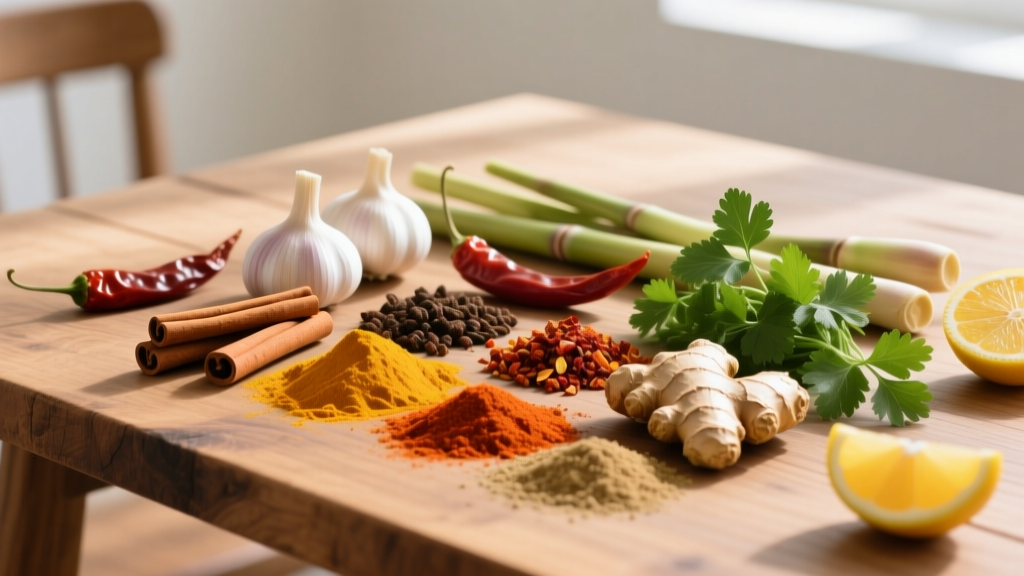
Tempering Spices in Oil: A Chef's Guide
What Is Tempering (Tadka)?
Tempering — known as tadka in Hindi, chaunk in Bengali, or thalippu in Tamil — is the technique of blooming whole or ground spices in hot oil or ghee to release their volatile aromatic compounds. This simple step transforms flat-tasting dishes into deeply layered ones.
Why Oil Matters
Most spice flavor compounds are fat-soluble, not water-soluble. When you add spices to hot oil (typically 170-190C / 340-375F), the heat causes essential oils within the spice to vaporize and dissolve into the cooking fat. This fat then distributes flavor evenly throughout the dish.
Best Oils for Tempering
- Ghee: High smoke point (250C), nutty flavor - ideal for Indian dishes
- Mustard oil: Pungent, traditional in Bengali cooking - heat until smoking to remove raw bite
- Coconut oil: Adds sweetness, pairs well with South Indian and Southeast Asian spices
- Neutral vegetable oil: Lets the spices speak without adding its own flavor
The Core Technique
- Heat oil in a heavy-bottomed pan over medium-high heat
- Test with a single cumin seed - it should sizzle within 2 seconds
- Add whole spices first (mustard seeds, cumin, fenugreek)
- Wait for mustard seeds to pop (about 30 seconds)
- Add ground spices last (turmeric, chili powder) - they burn fast
- Pour the entire sizzling mixture over your finished dish
Common Mistakes to Avoid
- Oil too cold: Spices absorb oil without releasing flavor, resulting in raw-tasting tadka
- Oil too hot: Spices burn in seconds, turning bitter and acrid
- Adding all spices at once: Different spices need different timing
- Walking away: Tempering takes 60-90 seconds total. A moment of inattention means burnt spices
Regional Variations
Every cuisine has its own tempering signature. South Indian tadka typically features mustard seeds, curry leaves, and dried red chilies in coconut oil. Bengali phoron uses panch phoron (five-spice blend) in mustard oil. Middle Eastern cooking might bloom baharat in butter for a warm, aromatic finish.
Quick Reference: Spice Order
- First (30s): Mustard seeds, fenugreek seeds
- Second (20s): Cumin seeds, nigella seeds
- Third (15s): Dried chilies, curry leaves, asafoetida
- Last (10s): Garlic, ginger, ground spices
Practical Tips
Always temper in the same pot or pan you will finish cooking in - this builds layers of flavor. If making dal, temper in the serving pot, then add cooked lentils directly. For dry vegetable dishes, temper first, then add vegetables to the flavored oil.
Master tempering and you have mastered the foundation of spice-forward cooking. It takes under two minutes but makes the difference between forgettable and unforgettable food.
More Articles
 Best Kitchen Tips for Seeds: Storage, Toasting, Grinding, and Beyond
 Spice Rubs for Grilling: 5 Recipes for 2026
 Blooming Spices in Butter: Quick Flavor Boost
 Blooming Spices in Fat: Unlock Hidden Flavors
 Sichuan Peppercorn Chicken: Mala Recipe Guide
 Curry Alternatives: Spice Blends That Deliver Warmth, Depth, and Aroma
 Cardamom in Baking and Beyond: A Full Guide
 5 Spice Blends for Beginners to Make
 Cumin-Lime Dressing: Bright and Bold
 Flavor Kitchen Tips: Science-Backed Seasoning