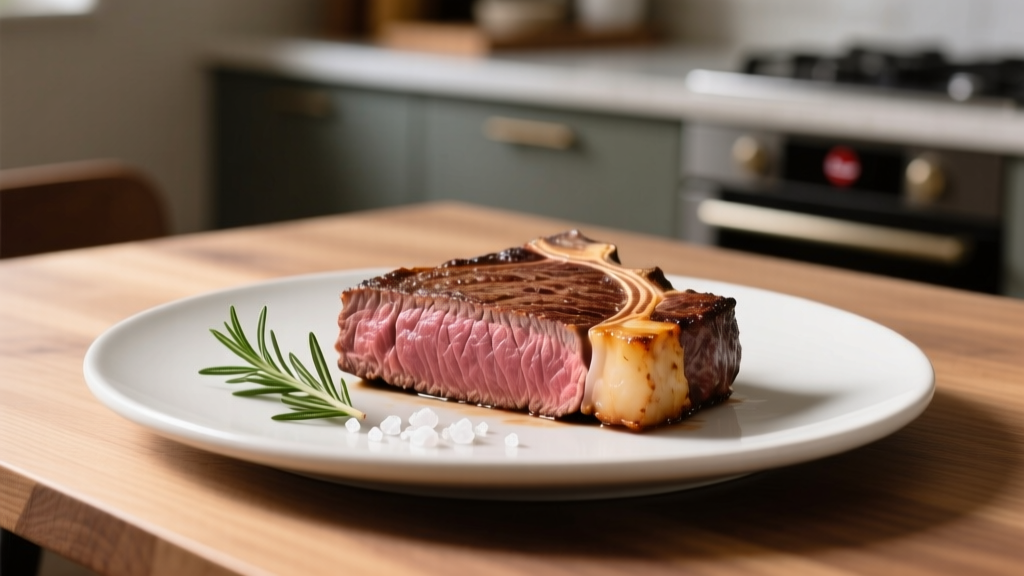
Sirloin Steak Recipe: Simple Steps for Perfect Results
Why Sirloin Steak Gives Home Cooks Fits (And How to Fix It)
Let’s be real: you’ve probably nuked a sirloin before. That lean, affordable cut from the rear back? Yeah, it’s notorious for turning chewy if you blink wrong. I’ve grilled hundreds over 20 years—first in restaurant kitchens, then my backyard. Thing is, sirloin hates slow cooking. It’s got less fat than ribeye, so moisture vanishes fast. But nail it? You get juicy, beefy flavor without the guilt. Honestly, it’s the weeknight hero if you respect its limits.
What Sirloin Steak Actually Is (No Jargon)
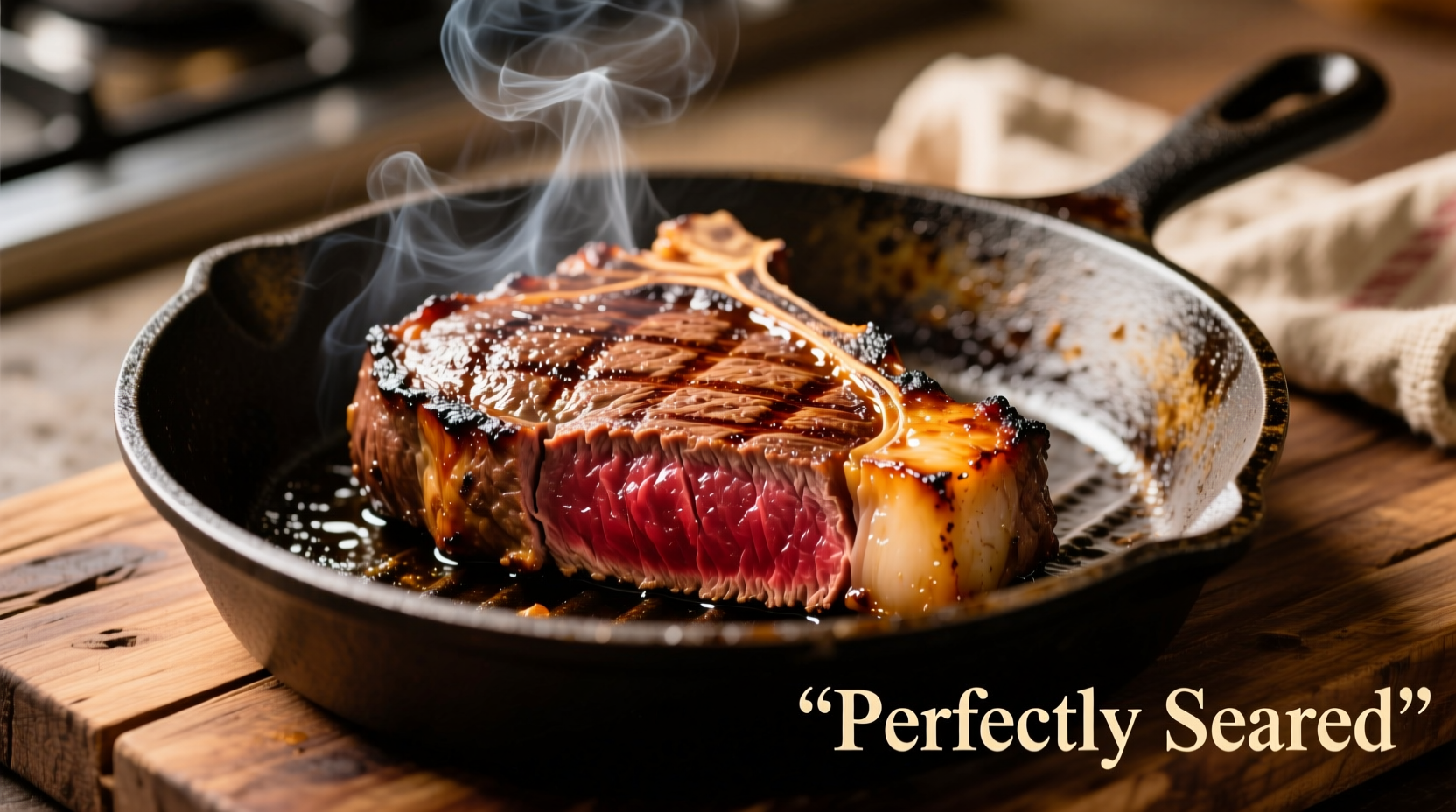
Forget fancy terms. Sirloin comes from behind the ribs, near the hip. It’s split into top sirloin (tenderer) and bottom (better for stir-fries). Unlike filet mignon, it’s got muscle—meaning flavor but zero forgiveness. Fun fact: butchers push it as "value cut" because it’s 30% cheaper than ribeye. But skip the hype; it’s not "poor man’s ribeye." Totally different beast. You know, like comparing a sports car to a pickup truck—both get you there, but the ride feels different.
Tools That Actually Matter (Skip the Gimmicks)
Don’t waste cash on steak hammers or fancy thermometers yet. You need three things:
- A cast-iron skillet (non-stick won’t give that crust)
- Tongs (forks poke holes = juice loss)
- An instant-read thermometer (yes, really—guessing kills sirloin)
Your No-Fail Cooking Method (Step-by-Step)
Here’s the exact routine I use weekly. Takes 15 minutes total:
- Prep: Pull steak from fridge 30 mins early. Pat bone-dry with paper towels. Moisture = steam = no sear. Season generously with coarse salt and black pepper. No oil yet—that comes later.
- Sear: Heat cast iron on max heat 5 mins. Add 1 tbsp avocado oil (high smoke point). Sear 2-3 mins per side until crusty. Don’t move it—let that Maillard reaction happen. Pro tip: add smashed garlic cloves and rosemary sprigs in the last minute for aroma.
- Temp Check: Insert thermometer sideways into thickest part. Pull at 125°F—it’ll hit 130°F while resting. USDA says 145°F is safe for leftovers, but for medium-rare, 130°F is the sweet spot per USDA Food Safety guidelines.
- Rest: Tent with foil, wait 5 mins. Skipping this? You’ll bleed all the juice onto the plate. Trust me, I learned this the hard way after my wife’s birthday dinner disaster.
When Sirloin Shines (And When to Bail)
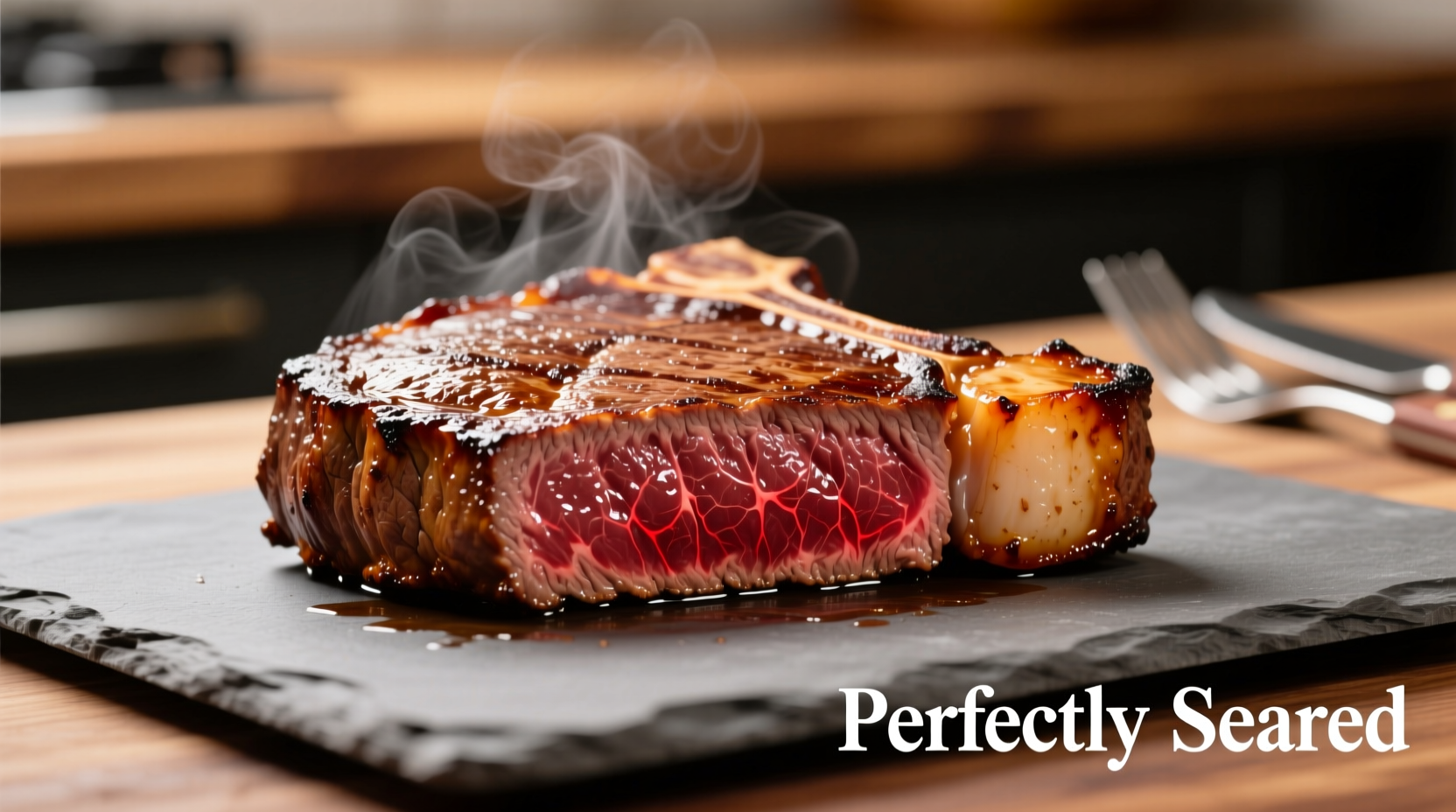
Sirloin’s not universal. Use it when:
- You need dinner ready in 20 mins
- You’re grilling for 4+ people (affordable!)
- Lean protein is the goal (less fat than ribeye)
- You want blue-rare steak (it’ll be tough)
- Cooking for picky eaters who hate "chew"
- Using a weak stove—low heat ruins it
| Cut | Best For | Avoid If |
|---|---|---|
| Sirloin | Weeknight speed, lean meals | Ultra-rare preferences |
| Ribeye | Rare cooking, rich flavor | Watching fat intake |
| Filet Mignon | Fancy dates, tender texture | On a budget |
Picking & Storing Without Regrets
At the store, hunt for sirloin labeled "top sirloin"—it’s more tender. Color should be bright cherry red, not brown. Marbling? A little webbing is fine, but skip if it looks dry. Oh, and ignore "prime" labels; sirloin’s rarely graded prime anyway. For storage: fridge it max 3 days in original wrap. Freezing? Wrap tightly in butcher paper—never plastic. Thaw overnight in fridge; microwaves make it spongy. Leftovers? Chop for salads within 2 days. Beyond that, it’s dog food (literally—I’ve done it).
Everything You Need to Know
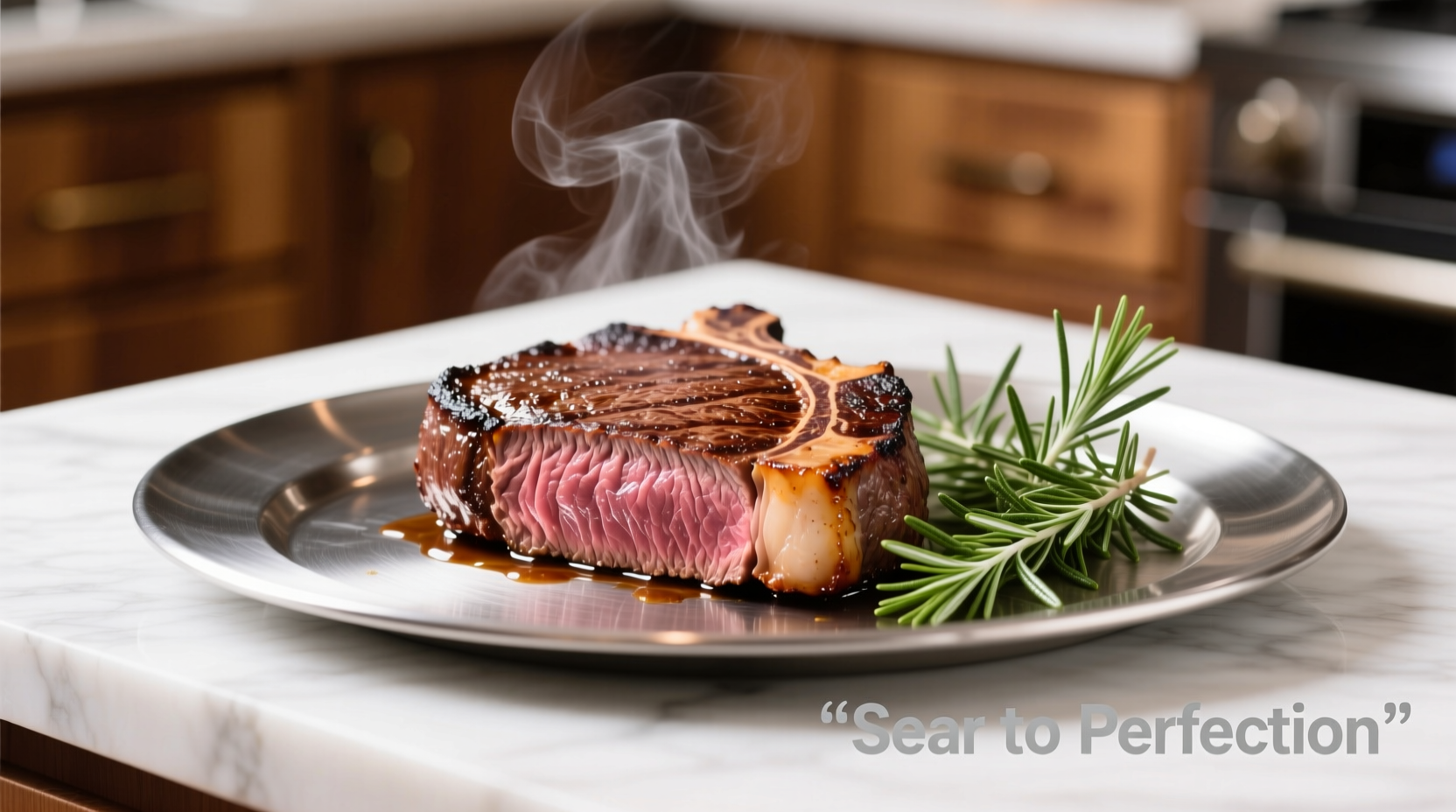
Sirloin’s lean muscle fibers seize up if overcooked past 135°F or not rested. It lacks fat to self-baste, so high heat + precise timing is non-negotiable. Always pull at 125°F internal and rest 5 minutes—this lets juices redistribute. Skipping the rest? That’s the #1 mistake I see.
Not recommended. Acidic marinades (like vinegar or lemon) break down proteins too fast, making sirloin mushy. Salt alone penetrates better—season 45 minutes pre-cook for deeper flavor without texture damage. If you must marinate, use oil-based blends max 30 minutes; never overnight.
Slice it paper-thin against the grain and soak in warm beef broth for 5 minutes. This rehydrates fibers slightly. Next time, invest in a $15 thermometer—guessing temps with sirloin is a gamble. Honestly, prevention beats rescue; I’ve salvaged maybe 1 in 10 overcooked steaks.
Yes—sirloin has 25% less fat than ribeye and similar protein. A 4oz serving delivers 26g protein for 190 calories. But trim visible fat pre-cook to maximize leanness. Per USDA data, it fits heart-healthy diets when cooked without added oils. Still, moderation matters; red meat intake should stay under 18oz weekly per American Heart Association.
Only as a last resort. Ovens cook too evenly, missing the sear sirloin needs. If stuck, broil on high 4 inches from heat for 4-5 mins per side—but monitor closely. Cast iron on stove remains the gold standard. I tested oven methods for a food magazine; results were consistently drier than stovetop.
More Articles
 Pork Chop Mushroom Soup: Rich Recipe with Shiitake Boost
 Classic Cabbage Soup Recipe: 1-Hour Healthy Meal (134 Cal)
 Fried Chicken Seasoning: The 3-Stage Method Restaurant Chefs Actually Use
 Green Goddess Dressing Recipe: Authentic Ingredients
 Powdered Oregano Guide: Uses, Quality & Storage Tips
 Coffee and Cinnamon Cake Recipe: Double Streusel, No Dryness
 Rosemary and Pepper: Flavor Pairing Science
 Cottage Cheese Cinnamon Rolls: Fast, Fluffy & High Protein
 Fresh Tomato Soup: Simple Recipe & Why It Beats Canned
 French Onion Soup: Authentic Slow-Cooked Recipe