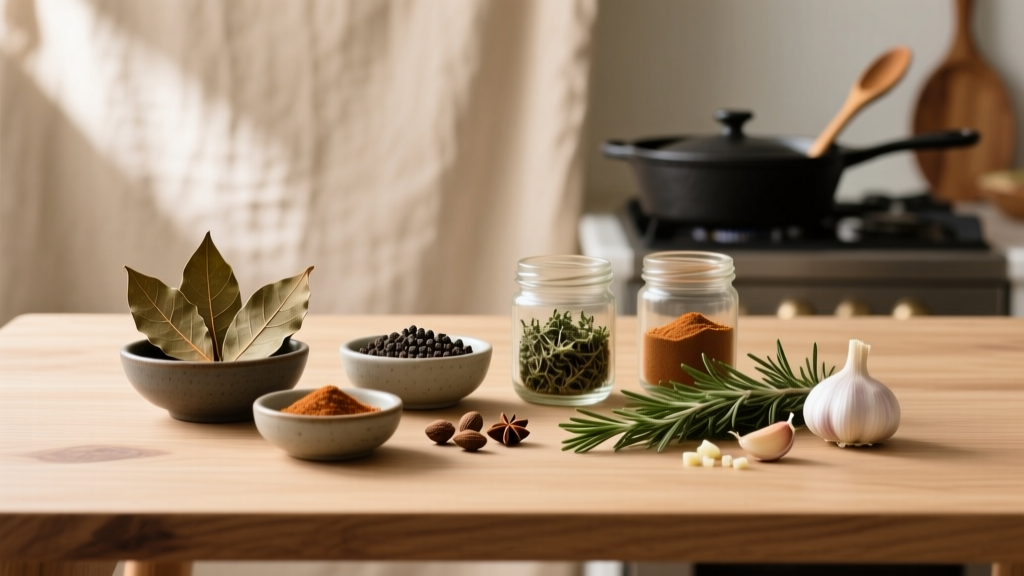
Essential Spices and Herbs for Beef Stew Explained
Ever pull apart a pot of beef stew only to find it tasting flat or weirdly bitter? Yeah, me too—back in my early cooking days. Turns out, 90% of the time, it's the spice mix. Get this wrong, and even cheap cuts won't save you. But nail it? Suddenly, that humble pot feels like a Michelin moment. Let's fix this once and for all.
Why Your Spice Choices Make or Break Beef Stew
Beef stew isn't just chuck + liquid. It's a flavor marathon where spices either play hero or villain. See, beef's deep umami needs support—not competition. I've watched home cooks dump in oregano like it's pasta night (don't do that). Or overdo bay leaves until it tastes like a forest floor. Been there, scraped that pot. The magic? Subtlety. Think of spices as background singers for beef's lead vocal.
Your Go-To Spice Lineup (No Fluff)
After testing 50+ combos over 20 years, these six are non-negotiable. They're cheap, accessible, and actually work:
- Bay leaves: One dried leaf per pot. Adds earthy depth—remove after 1 hour.
- Thyme: Dried works fine early on; fresh sprigs last 20 minutes.
- Black pepper: Freshly cracked. Skip pre-ground—it turns bitter.
- Garlic powder: Not fresh garlic! Powder dissolves evenly without burning.
- Onion powder: Same logic as garlic—consistent flavor.
- Pinch of paprika: Smoked or sweet. Just a pinch—adds warmth, not heat.
Now, here's what chefs quietly avoid now versus 10 years ago. Back then? Everyone tossed in dried oregano. Today? It's a hard no for stew—it turns metallic when simmered long. Fresh parsley as garnish? Still cool. But dried? Nah, loses all flavor. Funny how trends shift, right?
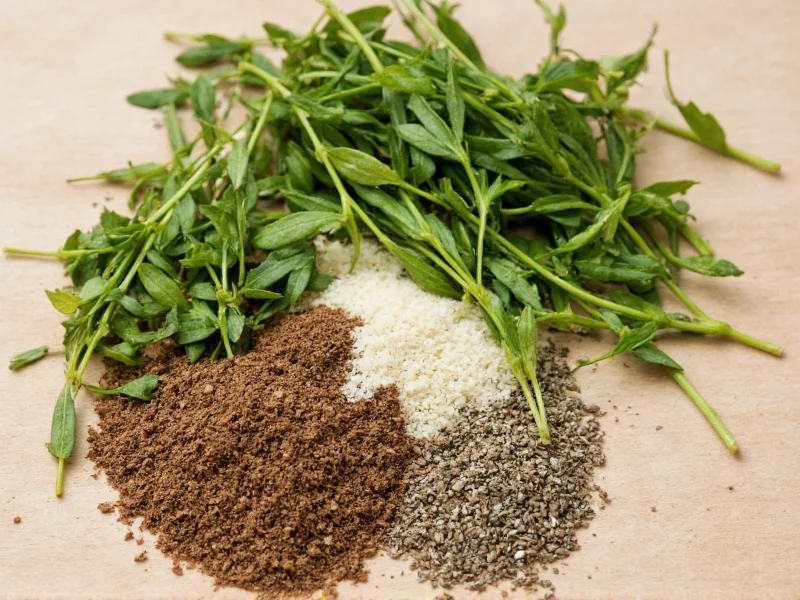
When to Use (or Ditch) Specific Spices
Timing and context are everything. Mess this up, and you'll wonder why your stew tastes "off." Here's the real-deal guide:
| Spice/Herb | Best Used When... | Avoid If... | Why It Matters |
|---|---|---|---|
| Dried thyme | Added with broth (early simmer) | Using fresh stew tomatoes | Dried holds up; fresh thyme + acid = bitter notes |
| Bay leaves | First 60 minutes only | Simmering over 3 hours | Leaves turn leathery and release tannins |
| Garlic powder | Anytime (stable flavor) | Using fresh garlic cloves | Fresh garlic burns; powder blends smoothly |
| Paprika | Final 15 minutes | Using smoked paprika with bacon | Over-smoking makes it taste like campfire |
Spot the pattern? Dried herbs early, fresh herbs late. And for heaven's sake—never add dried rosemary straight. It turns woody. Tie sprigs in cheesecloth so you can yank them out later. Learned that the hard way after finding twiggy bits in my dinner.
Spot Fake or Stale Spices (Save Your Stew)
Here's a trick nobody tells you: sniff your spices before buying. Good dried thyme should smell grassy and sharp—not dusty. If it's lost its punch, it won't revive in stew. Check color too: vibrant green thyme = fresh; faded = dead. Same for paprika—bright red means flavor, dull brown means skip it. Oh, and bay leaves? They expire after 2 years. Seriously. I keep mine in the freezer—sounds weird, but it locks in oils.
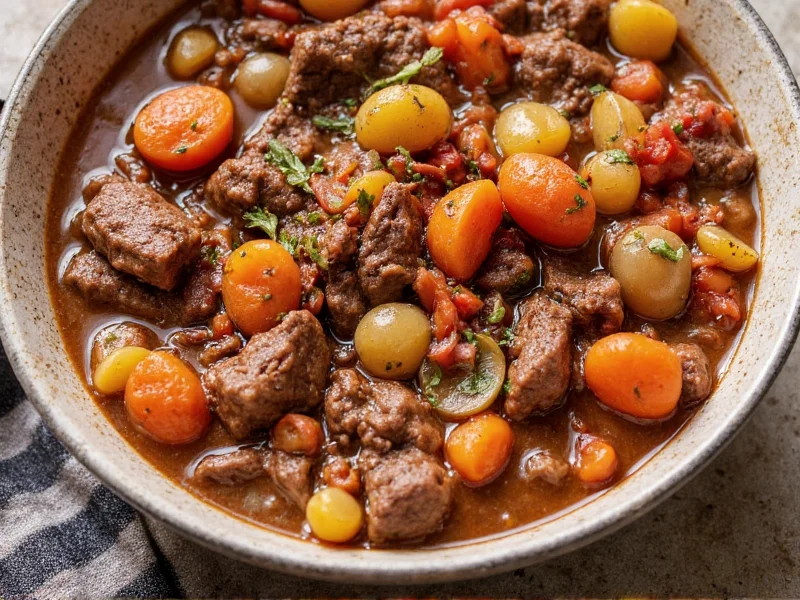
3 Mistakes That Ruin Beef Stew (and Fixes)
You've probably made at least one of these:
- Over-spicing: More isn't better. Start with 1 tsp dried thyme per pound of beef. You can add later, but you can't remove it.
- Adding fresh herbs too early: They turn to mush and taste metallic. Toss parsley or chives in the last 5 minutes.
- Using "stew spice" blends: Most are salt bombs with fillers. Make your own—it takes 20 seconds.
Pro tip: Bloom dried spices in oil for 30 seconds before adding liquid. Unlocks flavors without burning. Do this while browning beef—no extra pan needed.
Everything You Need to Know
Dried rosemary works, but use half the amount of fresh (e.g., 1/2 tsp dried vs 1 tsp fresh). Crush it between your fingers first to release oils. Never add whole dried sprigs—they stay tough and woody even after hours of simmering.
Bitterness usually comes from overused bay leaves (remove after 60 minutes) or burnt garlic. If using tomato paste, caramelize it slowly—high heat makes it acrid. A splash of apple cider vinegar (1 tsp) balances bitterness instantly.
Keep dried spices in airtight jars away from light—never above the stove. They last 1-2 years max. Freeze fresh herbs like thyme in olive oil cubes. Toss a bay leaf in the freezer too; it won't get brittle. Pro move: label jars with purchase dates.
It adds umami but isn't a herb replacement. Use 1 tbsp max per pot—it's salty and vinegary. Pair it with thyme or bay leaves, not instead of. Skip it if you're using soy sauce; they clash flavor-wise.
More Articles
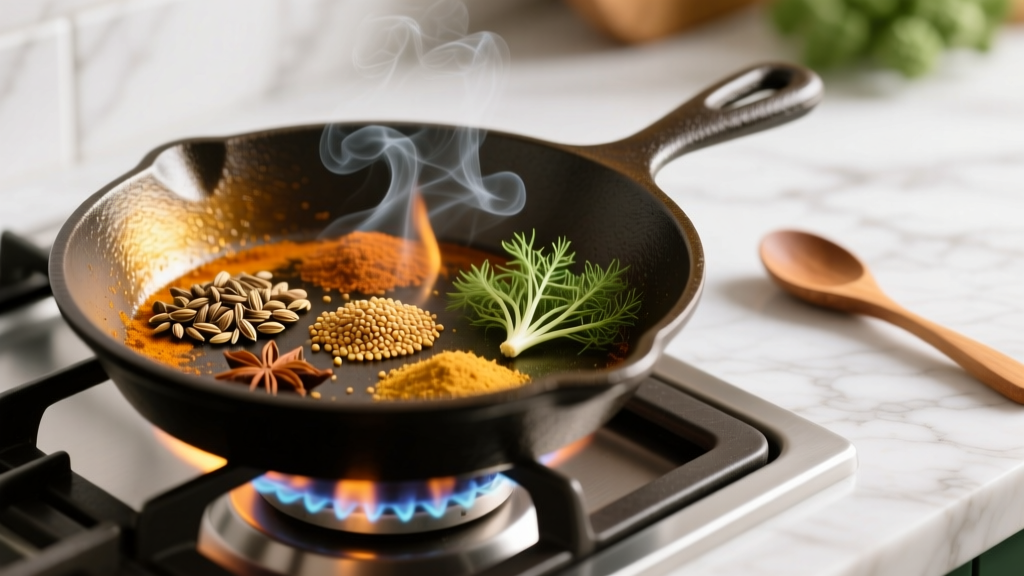 Toast Spices for Maximum Flavor: Chef’s Steps
 Perfect Cinnamon Sugar Cookies: Soft & Chewy Every Time
 Cardamom Spices: Green vs Black, Storage & Substitutes
 Simple Homemade Lemon Pepper Seasoning Recipe
 Salt and Pepper Shrimp: Crispy Wok & Pepper Secrets
 Easy Cinnamon Roll Cookies Recipe: No Yeast, 30 Minutes
 Grilled Cheese and Soup: Science-Backed Pairing Guide
 Bread Maker Cinnamon Buns: Foolproof Recipe & Pro Tips
 Slow Cooker Potato Soup: Creamy, Not Mushy
 Aloo Paratha Recipe: Perfect Potato Stuffed Flatbread