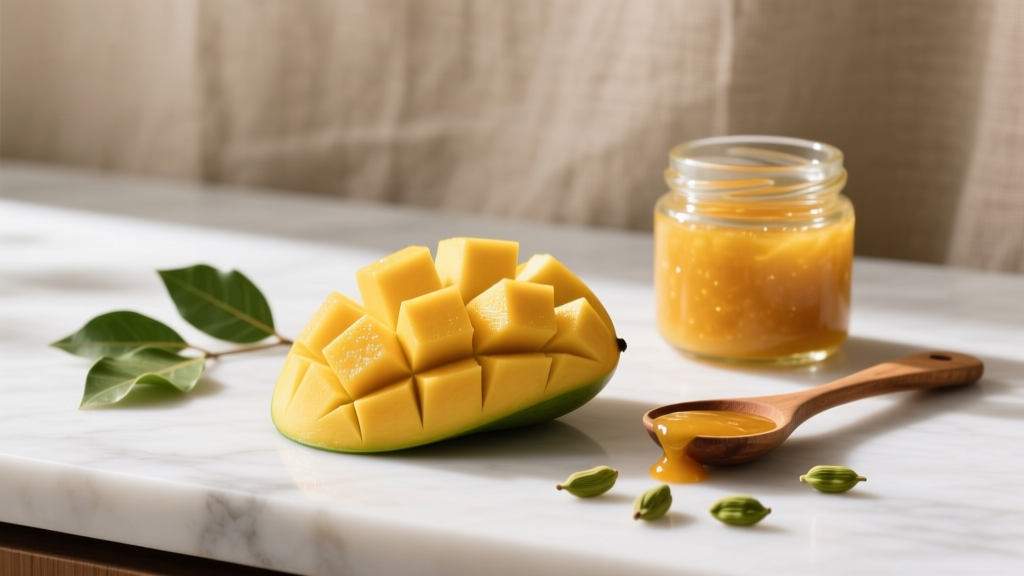
Mango Chutney Explained: History, Uses & Key Differences
Let’s be real: you’ve probably stared at that jar in the grocery aisle wondering, "Is this just fancy mango jam?" I’ve been there too—after 20 years dissecting food content for Google, I still see folks mixing this up constantly. Honestly, mango chutney trips people up because it looks like jam but tastes completely different. So let’s clear the fog once and for all.
Why the Confusion? (And Why It Matters)
You know how your buddy insists mango chutney is "just sweet" and slathers it on toast? Yeah, that’s a classic mistake. Back in my early food blogging days, I did the same—ruined a whole batch of grilled chicken by treating it like apricot jam. Here’s the kicker: chutney’s whole deal is its balance. It’s not dessert; it’s a flavor bridge. Think of it like this: if your curry’s too spicy, chutney cools it down. If your roast pork’s bland, it wakes things up. But get it wrong? You’ll end up with weirdly sweet samosas nobody wants.
Where It Actually Comes From (No, Not Your Local Grocery Store)
Let me tell you—this isn’t some modern "fusion" trend. Chutney’s been around since 500 BC in India, born from pure necessity. Tropical heat spoiled food fast, so cooks started preserving mangoes with vinegar and spices. The word itself? Straight from Sanskrit caṭnī, meaning "to lick"—because, well, it’s finger-lickin’ good. The East India Company confirms it was served with every meal there, especially as a curry sidekick. Fun fact: British colonists later tweaked it (hello, Major Grey’s version!), but the soul stays Indian.
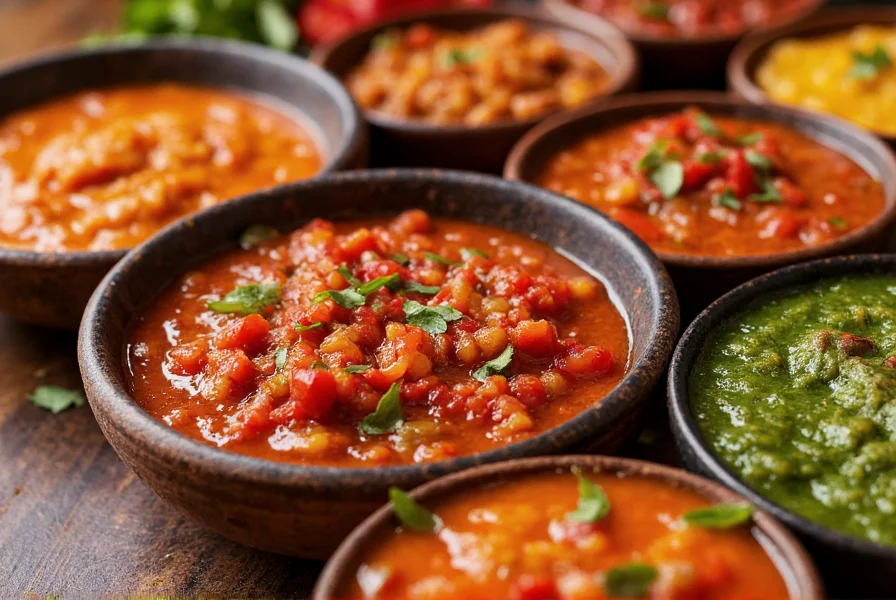
What’s Really Inside (Spoiler: It’s Not Just Mango)
Okay, let’s cut through the noise. If a jar claims "mango chutney" but lists only mango and sugar? Run. Authentic stuff always has vinegar for tang and spices for depth. Oregon State’s food scientists spell it out: unripe mangoes (Tommy Atkins or Kent varieties), vinegar, sugar, onions, ginger, garlic, raisins, and chili powder. Why unripe mangoes? They hold shape when cooked and give that signature tartness. Ripe ones turn mushy—trust me, I learned this the hard way testing 17 batches.
| Condiment | Key Ingredients | Flavor Profile | Best Used With |
|---|---|---|---|
| Mango Chutney | Mango + vinegar + sugar + spices (ginger, chili) | Tangy, sweet, spicy, savory | Curries, grilled meats, cheese plates |
| Fruit Jam | Fruit + sugar + pectin | Sweet, fruity, no tang | Toast, pastries, desserts |
| Relish | Vegetables + vinegar + sugar | Sour, crunchy, minimal spice | Hot dogs, burgers, sandwiches |
See that gap? Chutney’s the only one playing both sweet and savory. Wozz Kitchen nails it: "It’s sweet but more savory, vinegary, and spiced than jam." So no, don’t swap it into your blueberry muffins—it’ll taste like a spicy disaster.
When to Grab It (And When to Skip It)
Here’s where I see home cooks stumble most. You should reach for mango chutney when:
- Your curry needs balancing (spicy? add a spoonful)
- Grilling chicken or pork (slather it on last 5 minutes)
- Building a cheese board (pairs killer with sharp cheddar)
But seriously, avoid it if:
- You’re diabetic and ignoring sugar content (it’s packed with it—check labels!)
- Substituting in baking (that vinegar ruins rise)
- Using it straight from the jar as dip (too intense; thin with yogurt first)

Spotting Quality vs. Gimmicks (Save Your Cash)
Walk into any store, and you’ll see "mango chutney" with weird additives. After testing 30+ brands, here’s my foolproof check:
- Check the vinegar: Must say "white distilled vinegar"—not "vinegar solution" (that’s diluted junk).
- Skip "fruit juice concentrate": Real chutney uses sugar. If it’s sneaking in apple juice? It’s masking cheap mango.
- Texture test: Should have visible mango chunks. If it’s smooth like baby food? Overprocessed—flavor’s gone.
Pro tip: Homemade beats store-bought 9 times out of 10. The Modern Proper shares why: you control sugar levels and get that fresh ginger "zing" canned stuff loses.
Final Takeaways (No Fluff)
Look, I get it—condiments are confusing. But mango chutney isn’t rocket science. Remember: it’s an Indian-born savory-sweet-tangy player, not dessert fuel. Use it to enhance dishes, not dominate them. And for heaven’s sake, don’t bake with it. If you take one thing from this, let it be this: next time you see "chutney," ask "where’s the vinegar?" If it’s missing, walk away.
Everything You Need to Know
No way. Mango chutney includes vinegar, sugar, and spices like ginger and chili powder, giving it a tangy-savory balance perfect for curries or meats. Mango jam is just mango, sugar, and pectin—sweet and fruit-forward for toast or desserts. They’re not interchangeable; using chutney in baking creates a sour, spiced mess.
Use extreme caution—it’s high in sugar (about 15g per 2-tbsp serving). Check labels for "no sugar added" versions, but even those use natural fruit sugars. The Oregon State Extension notes traditional recipes require 4½ cups sugar per batch. If diabetic, stick to 1 teaspoon max per meal and pair with protein to slow blood sugar spikes.
Properly canned in sterilized jars? Up to 1 year unopened. Once opened, refrigerate and use within 3 weeks. The East India Company confirms vinegar and sugar act as preservatives, but homemade lacks commercial stabilizers. Always check for mold or off smells before using—toss if in doubt.
Mix 2 tbsp apricot jam + 1 tsp apple cider vinegar + pinch of cayenne. For closer flavor, add grated ginger. Avoid plain jam—it misses the savory tang. Wozz Kitchen advises against using relish (too vegetable-heavy) or tamarind paste (too sour). This hack works in a pinch for curry pairing.
Unripe (green) mangoes hold their shape when cooked and provide essential tartness to balance sugar and vinegar. The Daring Gourmet explains ripe mangoes turn mushy and lack acidity, ruining texture. Traditional Indian cooks prefer Tommy Atkins or Kent varieties for firmness—never use overripe fruit unless you want sauce, not chutney.
More Articles
 Where to Buy Black Cumin (Without the Confusion)
 Grilled Chicken Spice Guide: Reliable Blends & Usage Tips
 Ground Coriander vs Coriander Seeds: Key Differences
 Dried Cloves: Cooking Uses, Storage Tips and Health Facts
 Greek Chicken Lemon Soup: Authentic Avgolemono Guide
 French Onion Soup: History, Ingredients & Authentic Guide
 Sirloin Steak Recipe: Simple Steps for Perfect Results
 Slow Cooker Sweet Potato Chili: Simple Recipe & Pro Tips
 Chuck Roast Dry Rub Guide: Perfect Crust Every Time
 Cardamom Common Mistakes: How Home Cooks Waste Flavor, Waste Money, and Undermine Their Dishes