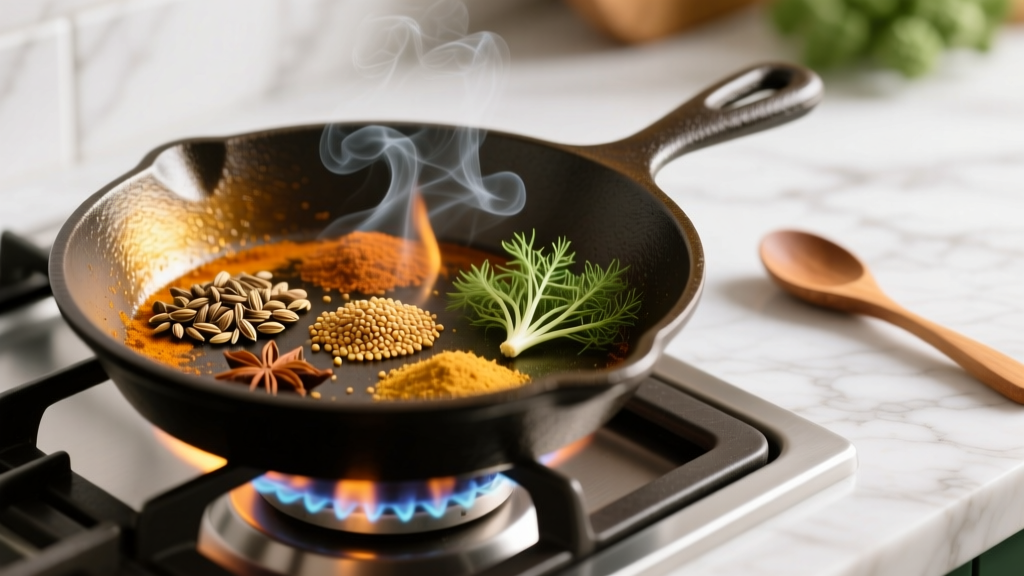
Toast Spices for Maximum Flavor: Chef’s Steps
Why Toast Spices?
Raw spices contain volatile oils locked inside their cellular structure. Gentle heat breaks down cell walls and releases these oils, intensifying flavor and aroma by up to 3-5 times. It's the single easiest upgrade you can make to any spice-forward dish.
What You Need
- A dry skillet (cast iron or stainless steel — non-stick works but isn't ideal)
- Whole spices (always toast whole, then grind — pre-ground spices burn too fast)
- A heatproof plate or bowl for transferring
- A spice grinder or mortar and pestle
The Basic Technique (Works for All Spices)
- Heat a dry skillet over medium heat for 1-2 minutes. No oil needed.
- Add whole spices in a single layer. Don't overcrowd — work in batches if needed.
- Stir or shake constantly. Spices go from perfectly toasted to burnt in seconds.
- Watch for signs: the spices become fragrant (you'll smell them from across the kitchen), turn slightly darker, and may begin to pop or crackle.
- Transfer immediately to a cool plate. Leaving them in the hot pan continues cooking them.
- Let cool completely before grinding. Hot spices grind unevenly and can clog your grinder.
Timing Guide by Spice
Different spices need different treatment. Here's a reliable timing chart:
- Cumin seeds: 1-2 minutes until fragrant and slightly darker
- Coriander seeds: 2-3 minutes until golden and citrusy-smelling
- Fennel seeds: 1-2 minutes until lightly browned
- Mustard seeds: 30-60 seconds until they start popping
- Cardamom pods: 2-3 minutes until pods puff slightly
- Cloves: 30-45 seconds — they burn very quickly
- Cinnamon sticks: 2-3 minutes, turning frequently
- Star anise: 1-2 minutes until fragrant
- Black peppercorns: 1-2 minutes until you smell the pepper
- Dried chilies: 30-60 seconds per side — don't let them blacken or they'll taste bitter
Common Mistakes to Avoid
1. Using pre-ground spices
Ground spices have too much surface area — they toast unevenly and burn within 15-20 seconds. Always toast whole, then grind.
2. Walking away from the pan
Spices can burn in the 5 seconds you look at your phone. Stay focused and keep stirring.
3. Using too-high heat
Medium heat is the maximum. Low-and-slow beats high-and-fast every time. If you see smoke, your pan is too hot.
4. Toasting mixed spices together
Different spices need different times. Toast each type separately, or add them to the pan in order of longest to shortest time needed.
5. Grinding while hot
Hot spices release steam in the grinder, creating a paste instead of a powder. Wait until they reach room temperature.
Advanced Techniques
Dry Roasting vs. Blooming in Oil
Dry roasting (the method above) works best for spice blends and rubs. Blooming — frying spices briefly in hot oil or ghee — is better when you're building a curry base. For blooming, heat oil until shimmering, add spices, and fry for 30-60 seconds until fragrant.
Oven Toasting for Large Batches
Spread spices on a baking sheet and toast at 325°F (160°C) for 5-8 minutes, stirring halfway. Less hands-on but slightly less even than stovetop.
When NOT to Toast
- Paprika and chili powder — their fine grind makes them burn almost instantly; add them later in cooking instead
- Delicate herbs (dried oregano, thyme, rosemary) — these aren't spices and don't benefit from toasting
- Recipes specifically calling for raw spice flavor — some pickling and curing recipes want the sharp, uncooked taste
Storage After Toasting
Ground toasted spices lose their edge within 2-3 weeks. For best results, toast and grind only what you'll use within a week. Whole toasted spices last longer — up to 2 months in an airtight container.
The Bottom Line
Toasting takes 3 extra minutes and transforms a dish from "tastes fine" to "what's that amazing flavor?" Start with cumin seeds — they're forgiving and the difference is dramatic. Once you've tasted freshly toasted and ground cumin versus pre-ground, you'll never go back.
More Articles
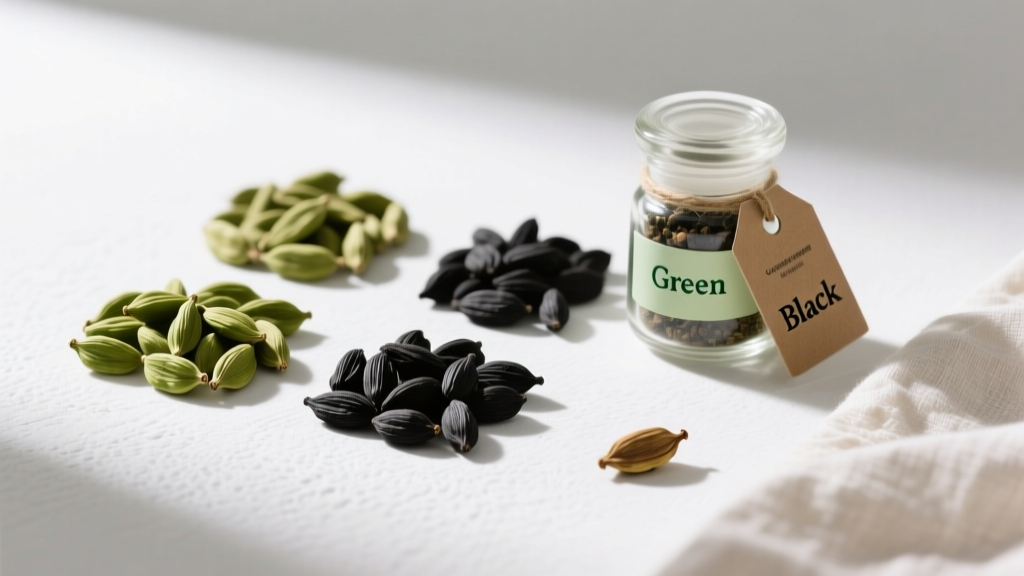 Cardamom Spices: Green vs Black, Storage & Substitutes
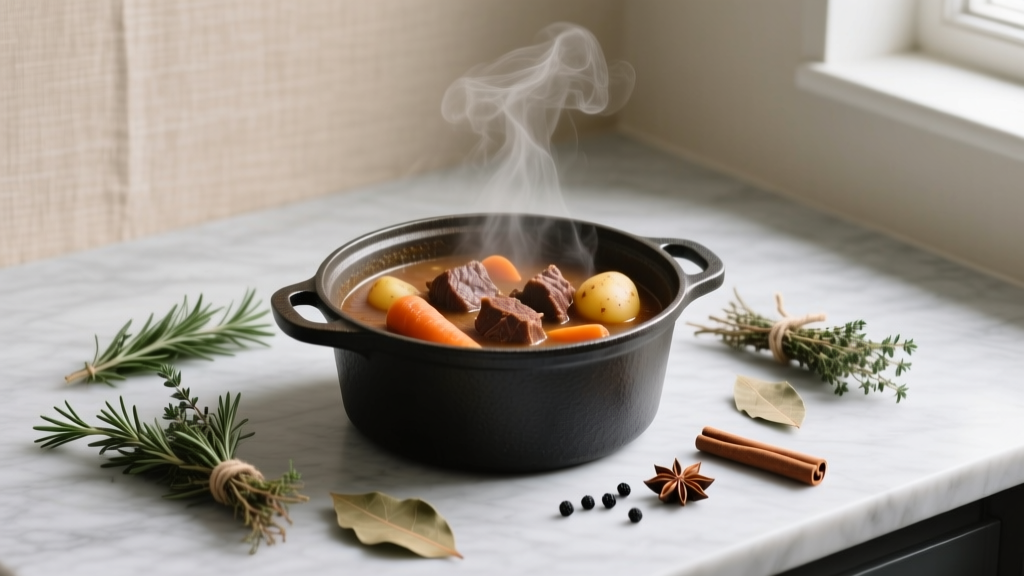 Beef Stew Spices Guide: Essential Herbs and When to Use Them
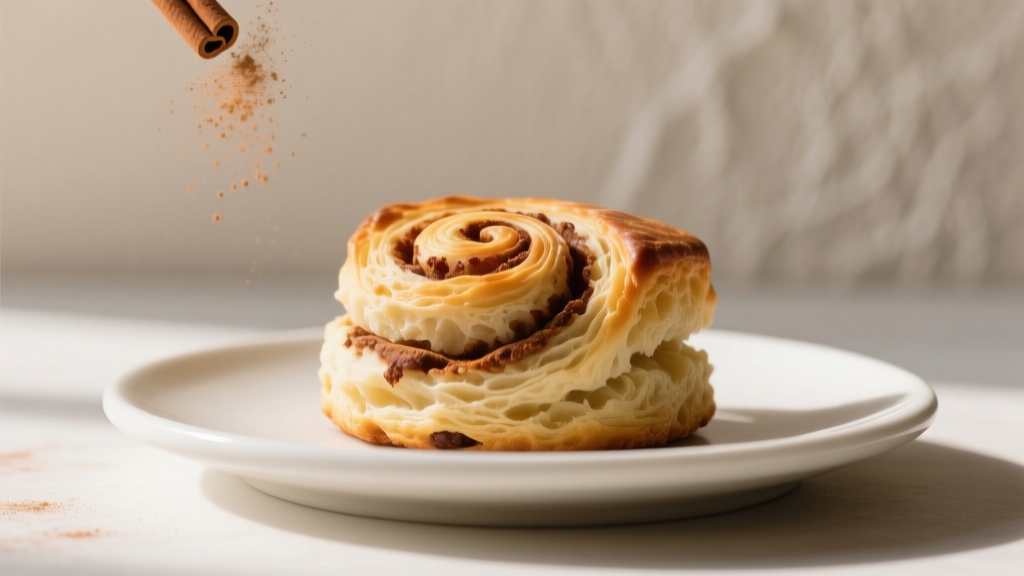 Classic Cinnamon Scone Recipe: Flaky Texture in 30 Minutes
 Recipe vs. Methods: Why Mastering Technique Beats Memorizing Instructions Every Time
 Chicken Seasoning Guide: Essential Spices That Actually Work
 DIY Chef Ideas: Practical, Budget-Savvy Kitchen Hacks You Can Build Today
 Chuck Roast Dry Rub Guide: Perfect Crust Every Time
 Why Saffron Costs More Than Gold (Real Talk)
 Black Pepper Chicken: Authentic Recipe & Pro Tips
 Cardamom Cooking: When & How to Use It Right