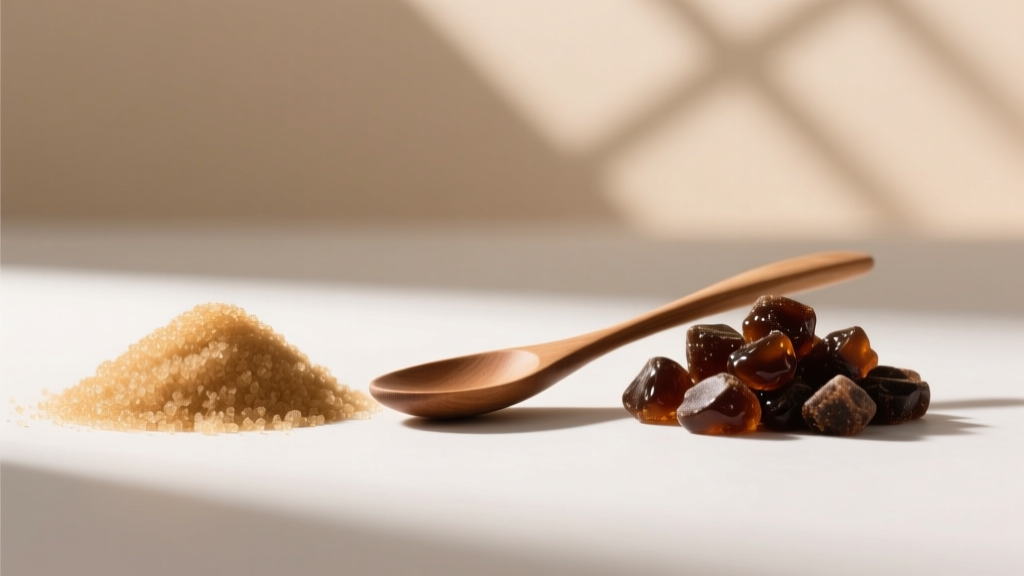
Brown Sugar Decoded: Light vs Dark, Uses & Truths
Let’s cut through the noise. You’ve probably stared at that brick-hard bag in your pantry wondering: Is this stuff actually different from white sugar? Or just marketing fluff? I’ve been testing ingredients for 20 years, and brown sugar myths drive me nuts—especially those ‘healthier sweetener’ claims. Truth is, it’s all about molasses content and moisture, not magic. So grab your whisk, and let’s unpack what really matters.
Why Your Brown Sugar Turns to Concrete (And Why It’s Not ‘Unrefined’)
Here’s the kicker: most commercial brown sugar isn’t unrefined cane sugar. Nope—it starts as pure white crystals, then has molasses stirred back in. That molasses is hygroscopic (fancy word for ‘sucks moisture from the air’). So when you leave it open? It dries into a brick. Classic pain point, right?
And let’s squash that ‘healthier’ myth now. WebMD confirms brown sugar has negligible extra iron or calcium—like, 0.1% more. Calories? A teaspoon of brown has 15 vs white’s 16.3. We’re talking one calorie difference per spoonful. Hardly a health win.
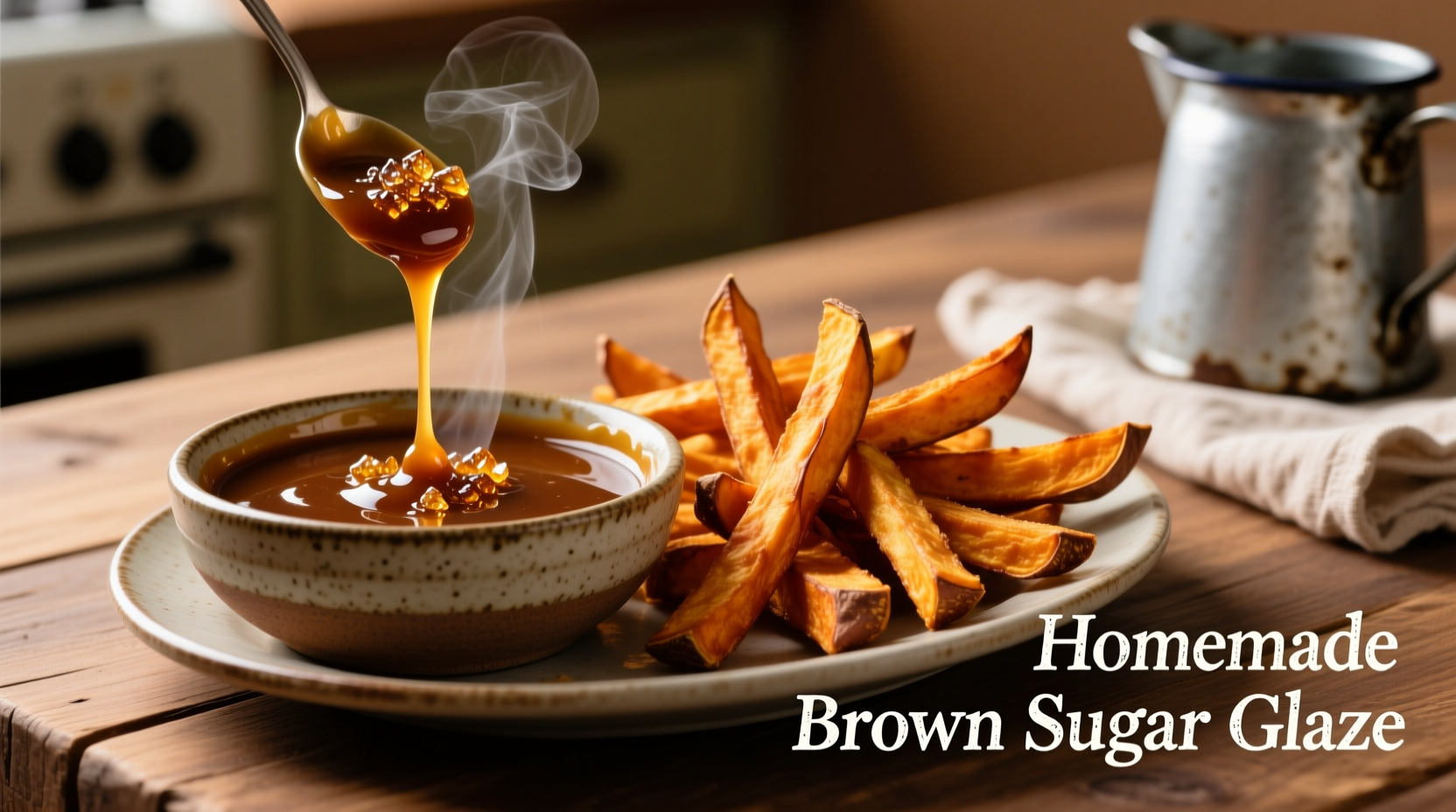
Light vs Dark Brown Sugar: It’s All About the Molasses Math
Okay, let’s get practical. The only real difference between light and dark is molasses percentage. Light hovers at 3.5%, dark at 6.5%—that’s it. No secret ingredients. As King Arthur Baking explains, this tiny shift changes everything:
| Factor | Light Brown Sugar | Dark Brown Sugar |
|---|---|---|
| Molasses content | 3.5% by weight | 6.5% by weight |
| Flavor impact | Subtle caramel hint | Pronounced molasses/toffee punch |
| Texture effect | Moist but not dense | Chewy, slightly sticky |
| Color result | Tan (like butterscotch) | Deep amber (think old leather) |
See that texture row? That’s why your chocolate chip cookies turn out chewy with brown sugar—but swap it into a soufflé recipe, and you’ll get sad, dense bricks. More on that soon.
When to Grab Light Brown Sugar (And When Dark Wins)
Let’s talk real kitchen decisions. I’ve tested hundreds of recipes, and here’s my rule of thumb:
- Reach for light brown sugar when: You want moisture without overpowering flavor—like in vanilla cakes, crumb toppings, or caramel sauces. Sugars.com notes it’s the ‘default’ when recipes just say ‘brown sugar’.
- Grab dark brown sugar for: Anything needing robust depth—gingerbread, baked beans, BBQ rubs, or that bourbon seasoning you see online. That extra molasses adds complexity.
But here’s what nobody tells you: They’re usually interchangeable. As Bon Appétit tested, swapping dark for light in oatmeal cookies just deepens the color slightly. No flavor train wreck.
Where Brown Sugar Fails Miserably (Save Yourself the Mess)
Not every recipe welcomes brown sugar. Avoid it when:
- You need maximum rise: Meringues, angel food cake, or soufflés. That moisture weighs down air bubbles. Stick with white sugar here.
- Texture must stay crisp: Shortbread or lace cookies turn soggy. White sugar’s dryness keeps them shattering perfectly.
- Flavor neutrality is key: In fruit pies or light custards, molasses can clash. White sugar won’t interfere.
And skip ‘health swaps’—like using brown sugar in ‘clean eating’ granola. Illinois Extension clarifies it’s nutritionally identical to white sugar. You’re just adding moisture, not vitamins.
Reviving Rock-Hard Brown Sugar (No Microwave Hacks Needed)
Found a fossilized bag? Don’t toss it. My foolproof fix: pop a slice of bread or damp paper towel in the container overnight. The sugar reabsorbs moisture evenly. Works 100% of the time—no weird citrus peels or time-wasting hacks. Store it airtight afterward, and you’ll never battle lumps again.
Everything You Need to Know
Nope, not really. As Healthline breaks down, brown sugar has trace extra minerals (like 0.1% more iron), but it’s nutritionally insignificant. Calories differ by just 1 per teaspoon. The real difference is moisture and flavor—not health perks.
Forget microwaving—it cooks the sugar. Toss a slice of bread or damp paper towel into the container, seal it, and wait 8–12 hours. The sugar pulls moisture evenly. Works every time. Pro tip: Store with a terra cotta disc to prevent hardening.
Mostly yes! Wikipedia confirms the interchangeability since molasses difference is small. Swap dark for light in gingerbread? You’ll get richer flavor. But in delicate recipes like vanilla frosting, dark might tint it amber. When in doubt, use light—it’s the safer default.
It’s all about that molasses. It retains moisture during baking, slowing evaporation. So cookies stay soft and bendy instead of crisp. White sugar releases moisture faster, creating crunch. Fun fact: That’s why chocolate chip cookies with 100% brown sugar turn out fudgy!
Technically no—it’s shelf-stable for years if stored airtight. But exposure to air hardens it, and moisture can cause mold (rare). If it smells musty or has spots, toss it. Otherwise, revive hardened sugar with the bread trick mentioned earlier.
More Articles
 Ginger Garlic Sauce: Homemade Guide & Pro Tips
 Turkey Brine Spices: Expert-Approved Flavor Combinations
 Brown Lentils: The Everyday Cook's Guide
 Sausage Egg Cheese Sandwich Guide: Science-Backed Assembly
 Chuck Roast Dry Rub Guide: Perfect Crust Every Time
 The Ultimate Cardamom Guide: From Farm to Flavor — Storage, Substitutions, and 12 Proven Uses
 Lasagna Soup Crock Pot: No-Boil Noodle Method Explained
 Perfect Cinnamon Sugar Cookies: Soft & Chewy Every Time
 Thyme Seeding: Step-by-Step Guide to Growing from Seed
 Pickling vs Fermenting: The Science-Backed Differences