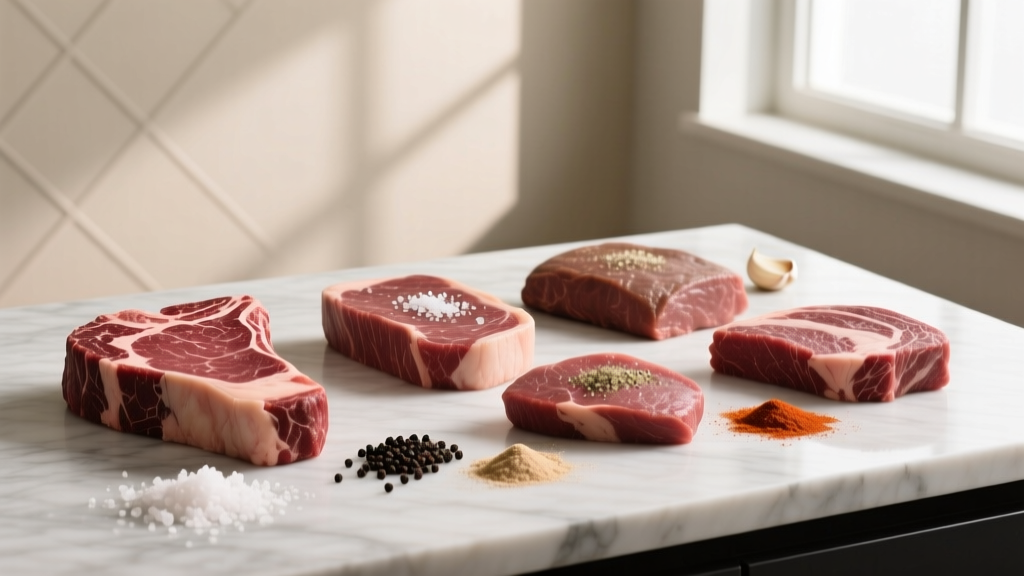
Beef Seasoning Guide: What Works for Every Cut
Why Your Beef Seasoning Keeps Failing You
Let's be real: how many times have you ruined a pricey steak because the seasoning sucked the life out of it? Or ended up with bland burgers that taste like cardboard? I've been there—20 years of testing spices taught me that when and how you season matters more than the ingredients themselves. Most folks grab that generic "steak seasoning" off the shelf, dump it on, and wonder why their meat turns rubbery. Thing is, beef isn't one thing. A ribeye needs a totally different approach than ground chuck or corned beef. Get this wrong, and you're basically gambling with good meat.
Seasoning Basics: No Jargon, Just Facts
Honestly, you don't need fancy blends. Salt's the MVP—it locks in juices when timed right. But here's what nobody tells you: salt draws moisture out if applied too early for dry-heat cooking (like grilling steaks). For moist methods (braising chuck roast?), salt early to penetrate deeper. Peppercorns? Always crack them fresh—pre-ground loses 80% of its punch in weeks. And garlic powder? Way better than raw garlic for even flavor without burning. Skip liquid smoke; it creates bitter notes nobody wants. Stick to these basics, and you're already ahead of 90% of home cooks.
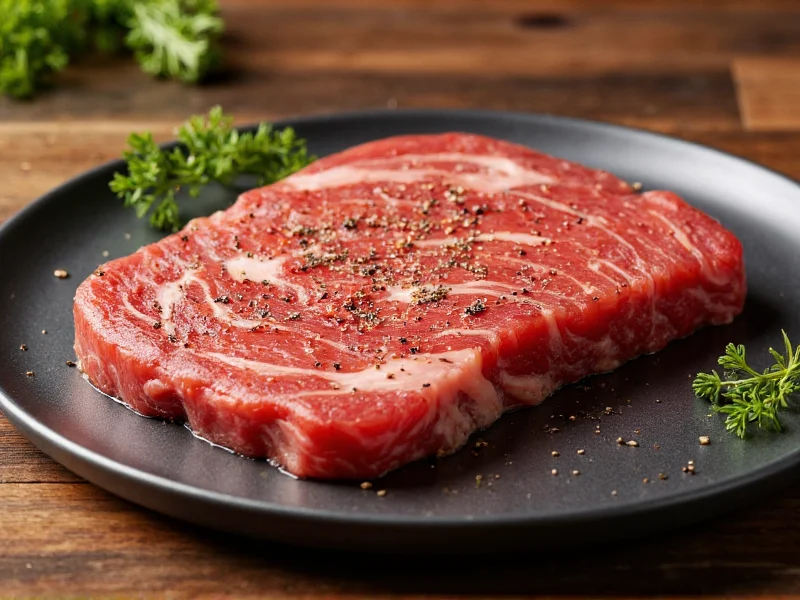
Match Seasoning to Your Beef Cut (No Guesswork)
See, this is where most guides fall apart. They give you one "perfect" mix, but your flank steak isn't your meatloaf. Use this table as your cheat sheet—it's field-tested across hundreds of cookouts. Notice how corned beef never uses paprika? It clashes with the brine. And for ground beef, sugar balances acidity but only in tiny amounts (1/4 tsp max per pound).
| Beef Cut / Type | Go-To Seasoning Mix | When to Use It | When to Avoid It |
|---|---|---|---|
| Steaks (ribeye, sirloin) | Kosher salt + freshly cracked black pepper | Grilling, pan-searing, broiling | Avoid wet marinades—they steam instead of sear |
| Ground beef (burgers, meatloaf) | Garlic powder + smoked paprika + 1/4 tsp brown sugar | Mixing into patties or loaf before cooking | Don't add salt until shaping—draws out moisture |
| Corned beef | Mustard seeds + coriander + bay leaves | Simmering with brine | Skip salt—it's already in the brine |
| Chuck roast (braising) | Onion powder + dried thyme + pinch of cayenne | Rubbing before slow-cooking | Avoid fresh herbs—they turn bitter |
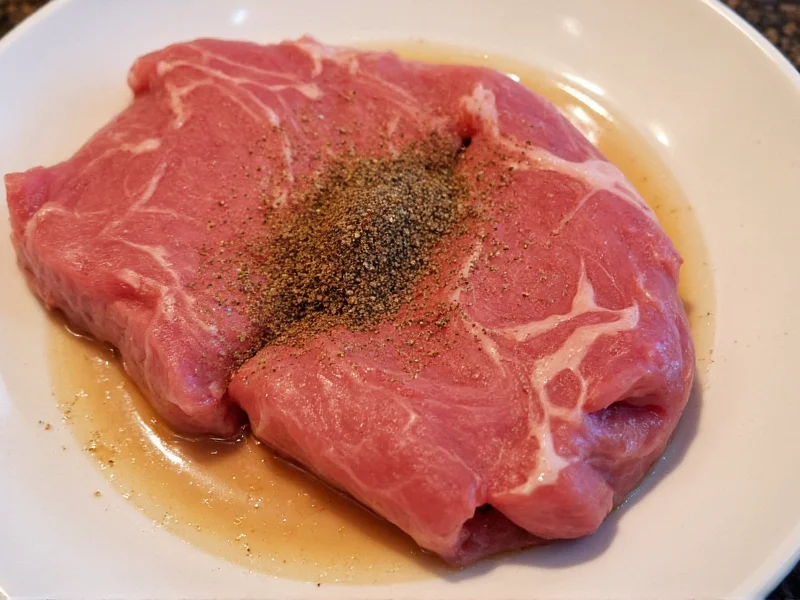
Your Seasoning Safety Net: What Nobody Talks About
Look, I've seen chefs dump espresso powder into beef rubs thinking it's "trendy," only to end up with bitter, ashy flavors. Don't be that guy. Here's the real deal: if your spice smells musty or looks faded, toss it—ground spices lose potency in 6 months. Whole spices (like peppercorns) last years if stored in dark glass jars. And please, skip those "all-purpose" blends; they're loaded with anti-caking agents that leave a chalky aftertaste. Pro tip: rub spices between your palms before using—warmth releases oils you can actually smell. If you can't detect aroma, it's dead weight.
Final Game Plan: Season Like a Pro
Forget complicated steps. For steaks: salt 40 minutes before cooking, pepper right before the grill. For ground beef: mix dry spices into meat cold, shape patties, then add salt last. Corned beef? Stick to the brine packet's spices—homemade versions often miss the pH balance. Oh, and one thing—never use garlic salt. The salt crystals are too coarse, creating uneven spots that dry out meat. Keep it simple: 3-4 quality spices max. Your taste buds will thank you.
Top 3 Mistakes That Ruin Beef (And How to Fix Them)
- Mistake: Salting steaks hours ahead → Fix: Salt max 40 minutes pre-cook for dry-heat methods
- Mistake: Using old paprika → Fix: Replace if color isn't vibrant red
- Mistake: Adding sugar to corned beef → Fix: Sugar competes with brine; use only for ground beef
Everything You Need to Know
Nope—seasoning doesn't alter protein. But watch sodium: pre-mixed blends often pack 300mg+ per tsp. For heart health, use potassium-free salt substitutes sparingly since they can make beef metallic. Stick to herbs like rosemary for flavor without sodium spikes.
Dry blends last 6 months in airtight containers—no fridge needed. But if you add citrus zest or fresh garlic, use within 2 weeks. Pro tip: label jars with dates. If spices smell flat or look clumpy, they're done. Whole peppercorns? They'll stay sharp for 2 years.
Not really—pork's sweeter fat clashes with strong beef spices like coriander. For pork, skip mustard seeds and add apple cider powder instead. Beef needs earthy notes; pork shines with fruitier herbs. Cross-contamination isn't the issue—it's flavor balance. Keep separate blends.
Two culprits: wet marinades or sugar-heavy rubs. Moisture steams instead of sears, and sugar burns fast. Solution: pat meat dry before seasoning, and avoid sugar in rubs for pan-searing. Use high smoke-point oil (avocado or grapeseed), not olive oil.
Rarely. Most cost 5x more for marketing, not quality. Test this: compare $2 store-brand garlic powder to a $10 "artisan" blend. Blind-taste them in burgers—you won't spot the difference. Save cash for whole spices you grind fresh. Exceptions: smoked paprika (buy Hungarian) and Tellicherry peppercorns.
More Articles
 Mango Chutney Explained: History, Uses & Key Differences
 Lentil Soup Recipe: Simple Steps for Perfect Results
 Salt and Pepper Shrimp: Crispy Wok & Pepper Secrets
 Cinnamon Muffin Recipe: Triple-Layer Flavor, No Failures
 Cottage Cheese Cinnamon Rolls: Fast, Fluffy & High Protein
 Beef Brisket Oven Recipe: Tender No Smoker Needed
 Cajun Shrimp Sausage Gumbo: Authentic Recipe Guide
 Turmeric in Indian Cooking: Real vs Fake Guide
 Easy Vegetable Curry Recipe: 25-Minute | Spicespotter
 Baked Beans and Sausage: The British Tradition Done Right