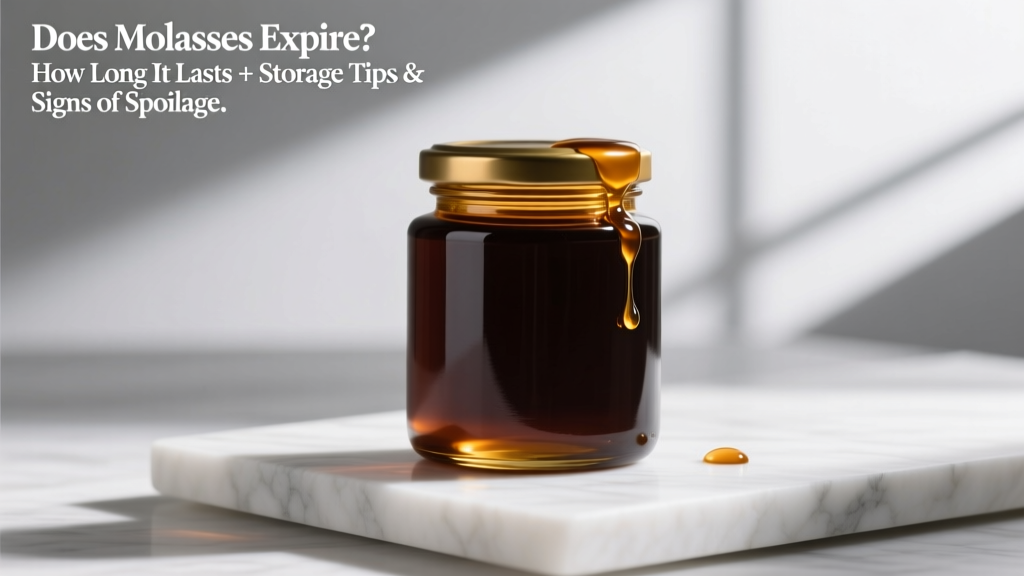
Molasses Expiration: Shelf Life, Storage & Spoilage Signs
Why Molasses Expiration Worries Home Cooks
You've found that dusty bottle in your pantry, wondering: "Is this still safe?" Molasses spoilage anxiety is real—wasting $5 on spoiled syrup or risking foodborne illness from bad ingredients. But here's the truth: unlike dairy or meat, molasses rarely spoils due to its high sugar content acting as a natural preservative. The real issue is quality degradation, not sudden expiration. Misunderstanding this leads to unnecessary waste or, worse, using compromised product.
Molasses Shelf Life: Separating Fact from Fear
Forget "expiration dates"—molasses follows practical shelf life rules based on storage. USDA FoodKeeper confirms unopened molasses remains safe for 2–5 years when stored properly. After opening, refrigeration extends usability to 1–2 years. FoodSafety.gov emphasizes that opened molasses must be refrigerated to prevent crystallization and microbial growth. Serious Eats notes it won't turn toxic quickly but loses flavor complexity over time. This isn't guesswork; it's science-backed food safety.
| Storage Condition | Shelf Life | Quality Risk | Source Verification |
|---|---|---|---|
| Unopened, cool/dry place | 2–5 years | Darkening, slight thickening | USDA FoodKeeper |
| Opened, room temperature | 6–12 months | Rapid crystallization, mold risk | FoodSafety.gov |
| Opened, refrigerated | 1–2 years | Minimal changes; retains flavor | USDA FoodKeeper |
When to Use (or Avoid) Your Molasses
Use confidently when: It pours smoothly, smells earthy-sweet (like caramelized sugar), and shows no mold. Ideal for baking gingerbread or marinades where flavor depth matters. Refrigerated opened bottles under 18 months old typically perform well.
Avoid immediately if: You spot fuzzy mold (common on surface), detect sour/vinegary odors, or notice extreme thickening that won't liquefy when warmed. Per Serious Eats, "if it smells off, trust your nose—discard it." Never scrape off mold; mycotoxins permeate the entire product.
Your Action Plan for Peak Quality
Maximize molasses usability with these steps:
- Store unopened bottles in a pantry away from heat sources—never above 75°F (24°C).
- After opening, refrigerate immediately in its original container. Seal tightly to prevent moisture absorption.
- Check freshness quarterly using the sniff test: Fresh molasses has a warm, bittersweet aroma. If faintly sour, warm 10 seconds in microwave; if odor persists, discard.
- Never freeze—it accelerates texture breakdown. If crystallized, place bottle in warm water bath for 5 minutes.
Debunking Common Molasses Myths
Myth 1: "The 'best by' date means it's unsafe after." Reality: These dates indicate peak quality, not safety. USDA data shows properly stored molasses remains safe years past printed dates.
Myth 2: "Refrigeration ruins the texture." Reality: Refrigeration prevents mold—the #1 safety risk. Texture changes are reversible with gentle warming.
Myth 3: "Dark color means it's bad." Reality: Natural oxidation darkens molasses over time. Only discard if accompanied by off-odors or mold.
Everything You Need to Know
No. Molasses doesn't expire in the traditional sense due to its low moisture and high sugar content inhibiting bacterial growth. Per USDA FoodKeeper, unopened molasses stays safe for 2–5 years. It degrades in quality (thickening, flavor loss) but isn't hazardous unless moldy or contaminated.
Discard molasses showing: 1) Visible mold (fuzzy spots), 2) Sour or alcoholic odors (per Serious Eats), or 3) Extreme thickening that doesn't liquefy after warming. Natural darkening or slight crystallization is normal—stir in warm water to restore texture.
Refrigerate immediately in an airtight container. FoodSafety.gov specifies opened molasses should be used within 1 year refrigerated to prevent mold. Room temperature storage risks crystallization and microbial growth—never leave it unrefrigerated long-term.
Only if contaminated. Properly stored molasses won't cause illness, but moldy batches may contain mycotoxins. USDA warns against consuming any product with visible mold—even if removed—as toxins permeate the liquid. When in doubt, throw it out.
Place the sealed bottle in a warm water bath (100°F/38°C max) for 5 minutes. Stir gently—never microwave directly, as overheating burns sugars. If crystals persist after 2 attempts, discard; this indicates prolonged improper storage per Serious Eats guidelines.
More Articles
 Chicken Lemon Orzo Soup: Creamy Greek Comfort in 30 Minutes
 DIY Spice Rack Organization: 7 Ideas That Actually Work
 Perfect Tomato Soup Pairings for Grilled Cheese
 Sirloin Steak Recipe: Simple Steps for Perfect Results
 Chicken Dry Rub Seasoning: Flavor Science & Pro Tips
 Apple Cinnamon Swirl Loaf: No-Gap Recipe & Apple Guide
 Freezing Spices: Does It Actually Preserve Flavor? (Science-Backed Answer)
 Tiny Red Hot Peppers: Heat Levels, Uses & Safety Guide
 Simple Vegetable Soup Recipe: 30 Minutes, 10 Ingredients
 Perfect Cinnamon Roll Icing: 4 Ingredients, No Failures