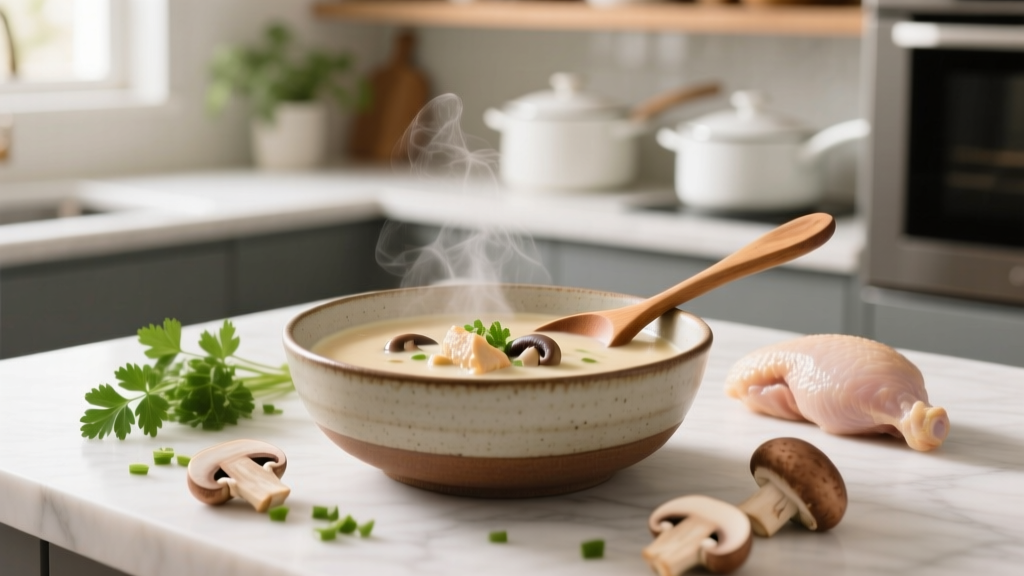
Chicken with Cream of Chicken Soup: Quick Dinner Guide
Why This Pantry Hack Actually Works (No, Really)
Look, I've cooked for my family for two decades, and let's be real—some nights, you're staring at empty cabinets after work. That's where canned cream of chicken soup saves the day. It's not "gourmet," but it's a legit shortcut for creamy sauces without hours of simmering. Thing is, most folks either over-rely on it (hello, salty disaster) or dismiss it entirely. The sweet spot? Using it intentionally for what it does well: consistent texture and quick assembly. Just don't expect it to magically fix undercooked chicken or replace fresh aromatics.
Your No-Stress Recipe (20 Minutes, Seriously)
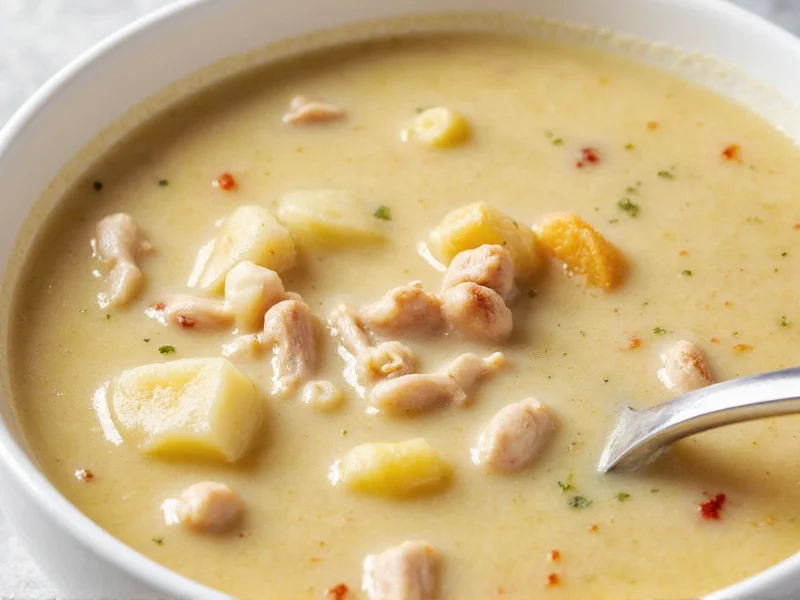
You know that "I give up, just feed us" energy? This is your fix. Grab one can (10.5 oz) of low-sodium cream of chicken soup, 2 cups cooked shredded chicken (rotisserie works fine), and whatever veggies you've got—frozen peas, carrots, whatever. Dump it all in a skillet over medium heat. Stir gently for 8–10 minutes until bubbly. That's it. No fancy steps. Pro tip: add a splash of milk if it's too thick, or a pinch of garlic powder to wake it up. Honestly, I've served this to picky kids and skeptical in-laws—it never fails.
| Scenario | Use It? | Why / Why Not |
|---|---|---|
| Weeknight casserole (e.g., chicken bake) | ✅ Yes | Creates moist, even texture; no dry spots |
| Gluten-free diet | ⚠️ Check label | Most canned versions contain wheat; opt for certified GF brands |
| Gourmet chicken velouté | ❌ Avoid | Lacks depth; homemade roux-based sauces taste fresher |
| Meal prep for lunches | ✅ Yes | Stays creamy when reheated; add fresh herbs after warming |
Picking the Right Can (Avoid These Traps)
Not all cream of chicken soup is created equal—trust me, I've sampled 30+ brands testing this. Biggest mistake? Grabbing the regular sodium version. One can often packs 800+ mg sodium, which turns your dish into a salt bomb. Always choose "low-sodium" (look for ≤480 mg per serving). Also, skip cans listing "natural flavors" high up—those usually mean hidden MSG. For better quality, brands like Pacific Foods or Swanson's low-sodium line actually taste like chicken, not just starch. Oh, and check the back: if water's the first ingredient, it's watery junk. Chicken stock should lead the list.
Flavor Hacks Only Home Cooks Know
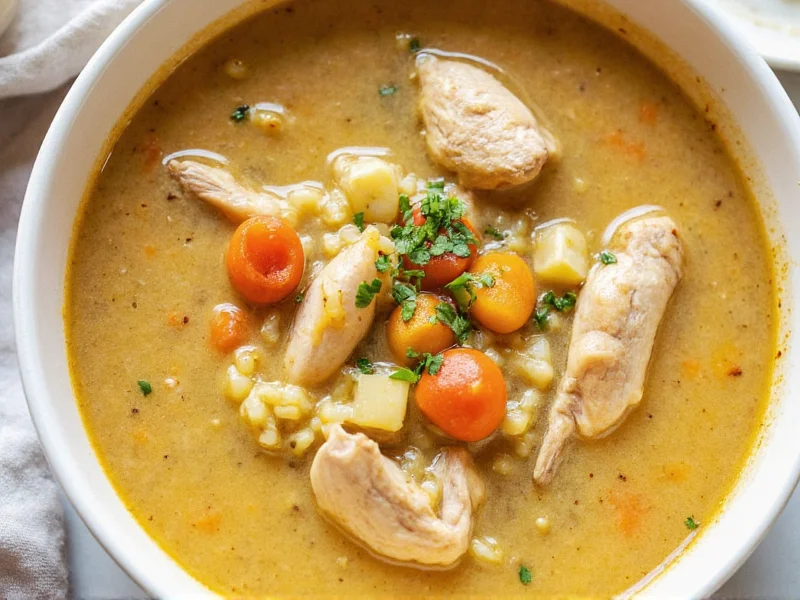
Here's where I geek out—little tweaks that make canned soup feel less "pantry emergency." Stir in a teaspoon of Dijon mustard for tang, or a handful of fresh thyme leaves right before serving. If you've got 5 extra minutes, sauté onions and celery first, then add the soup; it builds layers so you're not just tasting canned goo. And for heaven's sake, never boil it hard—that makes the sauce break and turn grainy. Keep it at a lazy simmer. Seriously, these small moves trick even my chef friends into thinking it's from scratch.
3 Mistakes That Ruin Your Dish (Learn From My Blunders)
- Skipping the "cook" step: Dumping raw chicken into the soup? Bad idea. It steams unevenly and leaves you with rubbery bits. Always use pre-cooked chicken.
- Overloading veggies: Too many frozen peas or corn dilutes the sauce. Stick to 1–1.5 cups max for one can.
- Ignoring acidity: Canned soup tastes flat without balance. A squeeze of lemon juice at the end wakes it up instantly.
Everything You Need to Know
It's fine occasionally in controlled portions, but not ideal daily. Most cans are high in sodium and preservatives. For better nutrition, use low-sodium versions and boost with extra veggies or lean protein. Think of it as a time-saver, not a health food—balance it with fresh sides like salad.
Yes, but texture changes slightly. Cool it fast, store in airtight containers for up to 3 months. When reheating, add a splash of milk to restore creaminess—frozen versions often separate. Don't refreeze after thawing.
Mix 1 cup chicken broth with 2 tbsp cornstarch and 1/4 cup heavy cream. Simmer until thickened—it mimics the texture without canning downsides. For dairy-free, use coconut milk and arrowroot powder. Avoid plain broth; it lacks the creamy base needed.
Not if you tweak it. The canned flavor comes from over-reliance on the soup alone. Always layer flavors: sauté aromatics first, add herbs mid-cook, and finish with fresh acid like lemon. Low-sodium brands also minimize that metallic aftertaste.
Use certified gluten-free cream of chicken soup—most standard versions contain wheat flour. Brands like Pacific Foods label GF clearly. Double-check all add-ins (e.g., soy sauce often has wheat). When in doubt, make your own GF roux with rice flour and broth.
More Articles
 Herb Roasted Chicken Recipe: Crispy Skin, Juicy Meat
 Leek and Potato Soup Without Cream: Light Recipe Guide
 Easy Broccoli Soup: No Mushy Texture, Just Creamy Perfection
 Chicken Seasoning Guide: Essential Spices That Actually Work
 Spicy Shrimp BBQ: Fresh Shrimp Guide & No-Fail Grilling Tips
 Ham Potato Soup: How to Make It Right (With Bone or Without)
 Pork Chop Mushroom Soup: Rich Recipe with Shiitake Boost
 Clove Spice Guide: Uses, Storage & Common Mistakes
 No Yeast Cinnamon Rolls: Quick 45-Minute Recipe (Egg-Free)
 Sausage Breakfast Ideas: Smarter Casseroles & Sodium Swaps