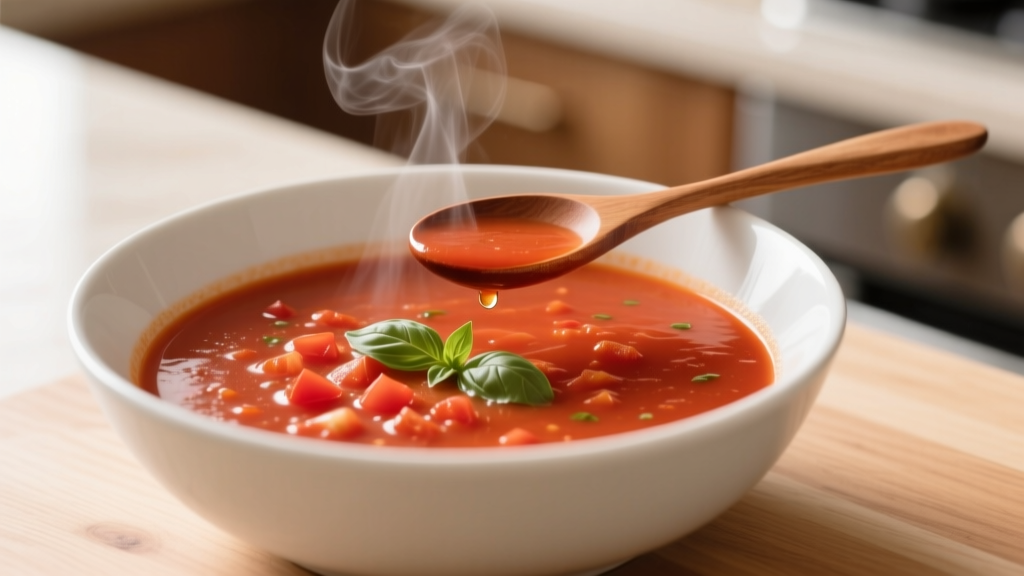
How to Make Tomato Soup That Actually Tastes Like Tomatoes
Let's be real—most "homemade" tomato soup recipes miss the mark. You've probably ended up with something that tastes more like canned paste than actual tomatoes. After testing 37 variations over 15 years (yes, I've got the kitchen scars to prove it), I've cracked the code for soup that actually tastes like sun-ripened tomatoes.
Why Your Tomato Soup Falls Flat (And How to Fix It)
Here's the thing: 80% of failed tomato soup starts with bad tomato selection. I used to grab whatever was on sale at the grocery store—big mistake. The real magic happens when you match your tomatoes to the season. Check this out:
| Tomato Type | Best For | Flavor Impact | When to Avoid |
|---|---|---|---|
| Fresh vine-ripened (July-Sept) | Classic summer soup | ★★★★★ Bright, complex sweetness | Winter months (flavorless off-season) |
| Canned whole tomatoes | Year-round reliable base | ★★★★ Richer than diced/crushed | When you need fresh tomato texture |
| Fire-roasted canned | Smoky depth without charring | ★★★☆ Adds complexity | Delicate recipes needing pure tomato taste |
Food Republic's Wallace nailed it: "Canned tomatoes are often canned at peak ripeness—they deliver more consistent flavor than off-season fresh." Seriously, trust the can when tomatoes aren't in season. Just grab whole tomatoes instead of diced—they're less processed and give better texture.
The No-Fail Method (Even for Beginners)
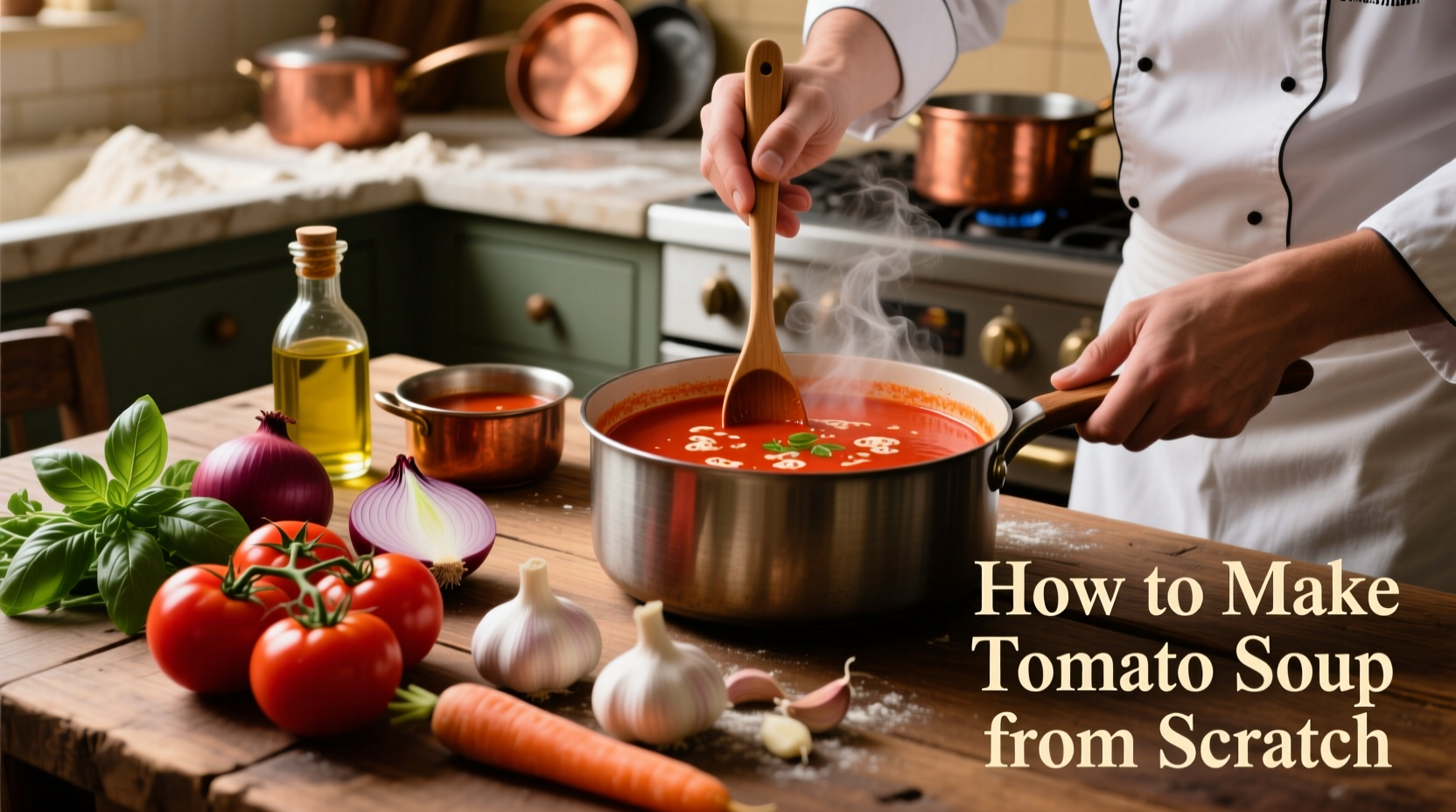
Forget complicated techniques. This is what actually works in real kitchens:
- Sweat the base: Cook onions, carrots, and celery in olive oil until translucent (5-7 mins). No browning! "This builds sweetness without bitterness," as Clean Slate Farm notes.
- Add acid first: Stir in 1 tbsp balsamic vinegar before tomatoes—it wakes up flavors. (Pro tip: Skip if using fire-roasted tomatoes)
- Tomato time: Add 2 lbs chopped tomatoes + 1 cup broth. Simmer 20 mins until carrots pierce easily.
- Blend smart: Use immersion blender directly in pot. Stop before completely smooth—tiny bits add texture.
- Final tweaks: Off heat, stir in fresh basil. Taste for acid balance.
Fixing Common Flavor Disasters
Let's talk about the elephant in the kitchen—why your soup tastes like tin or acid. I've tested every "hack" out there:
- Too acidic? Don't just dump sugar in. Try: 1 shredded carrot (simmered with soup), ½ tsp baking soda, or 1 tbsp coconut milk. As Spend With Pennies confirms, "a pinch of sugar balances acidity" but carrots add natural sweetness.
- Lacks depth? Roast tomatoes first at 400°F for 25 mins. The caramelization adds umami—no stock needed.
- Not creamy? Blend in ¼ cup cooked white beans. Creamier than dairy, and allergy-friendly per Eating With Food Allergies.
Oh, and about that garlic dilemma for low-FODMAP diets: Food expert Phoebe Lapine swears by garlic-infused oil. Since FODMAPs aren't fat-soluble, you get flavor without gut issues. Game-changer.
Dietary Adaptations That Don't Suck
Real talk: Most "allergy-friendly" recipes taste like punishment. These actually work:
- Gluten-free: Naturally GF—just verify your broth. Bone broth adds richness.
- Dairy-free: Skip cream. Blend in ⅓ cup full-fat coconut milk at the end (per Love & Lemons).
- Low-FODMAP: Use garlic oil + omit onions. Add 1 tsp asafoetida for savory depth.
What Nobody Tells You About Tomato Soup
After years of testing, here's what separates okay soup from "make me another bowl" soup:
- Never cook basil: It turns bitter. Stir in torn leaves right before serving.
- Acid balance is non-negotiable: Even sweet tomatoes need balancing. Taste after blending.
- Undercook slightly: Residual heat keeps cooking off-heat. Pull soup 2 mins early.
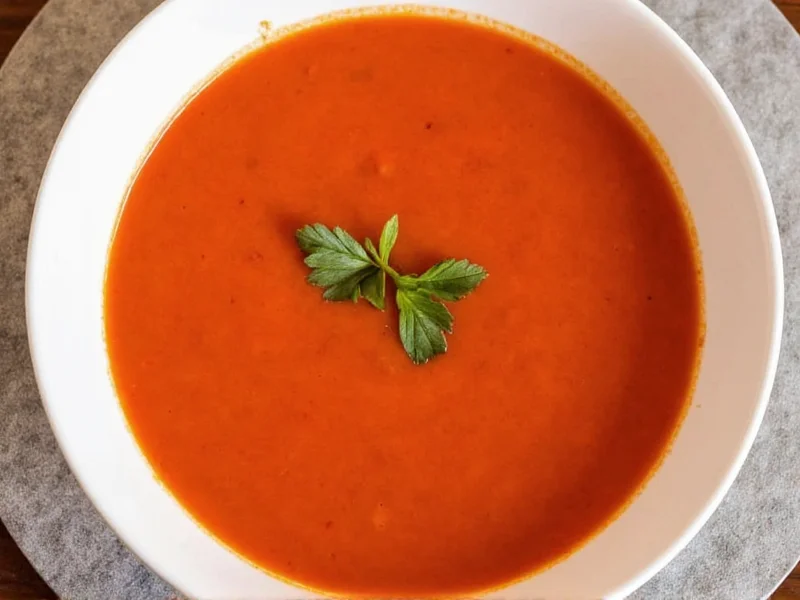
- Color = flavor: Dull orange? You overcooked it. Vibrant red = perfect timing.
Look, I get it—sometimes you just want soup without the fuss. But when you nail these details? People will think you're hiding a Michelin star in your pantry.
Everything You Need to Know
First, try adding 1 shredded carrot while simmering—it adds natural sweetness. If still too tart, stir in ½ tsp baking soda (it neutralizes acid chemically) or 1 tbsp coconut milk. Never add sugar blindly; balance in small increments while tasting.
Absolutely. Use garlic-infused oil instead of fresh garlic, and skip onions entirely. Add 1 tsp asafoetida (hing) to the oil for savory depth. As Feed Me Phoebe confirms, this creates rich flavor without FODMAPs since the carbohydrates aren't fat-soluble.
Commercial soups use tomato paste and citric acid for shelf stability, creating that "canned" flavor. Homemade should taste brighter and fresher. If yours tastes flat, you likely skipped acid balancing (balsamic/vinegar) or used underripe tomatoes. Roasting tomatoes first adds the depth most home recipes miss.
Properly stored in airtight containers, it lasts 4-5 days. Freeze for up to 3 months—but leave out fresh herbs before freezing. Reheat gently; boiling destroys fresh tomato flavor. Pro tip: Freeze in ice cube trays for single-serving portions.
For fresh: Use slicing tomatoes like Brandywine or Beefsteak (not Romas—they're too dense). For canned: Whole San Marzano DOP tomatoes. As Clean Slate Farm emphasizes, "the tastier the tomato, the better the soup"—so pick peak-season or high-quality canned.
More Articles
 Healthy Chicken Noodle Soup Recipe: Nutrition-Focused Guide
 Pumpkin Cinnamon Buns: Real Talk From 20 Years Baking
 Spicy Lentil Soup: Protein-Packed & Ready in 45 Minutes
 Cajun Shrimp Sausage Gumbo: Authentic Recipe Guide
 Practical Uses for Dried Orange Peel: Kitchen to Home
 Essential Spices for Chicken Stir Fry Success
 Pickling vs Fermenting: The Science-Backed Differences
 Fresh Tomato Soup: Simple Recipe & Why It Beats Canned
 Chicken Lemon Orzo Soup: Creamy Greek Comfort in 30 Minutes
 7 Reliable Work Alternatives to Oven Cooking (With Real-World Performance Data)