Brown Sugar vs Granulated Sugar: Key Differences & Uses
Why You're Confused About Brown vs. Granulated Sugar
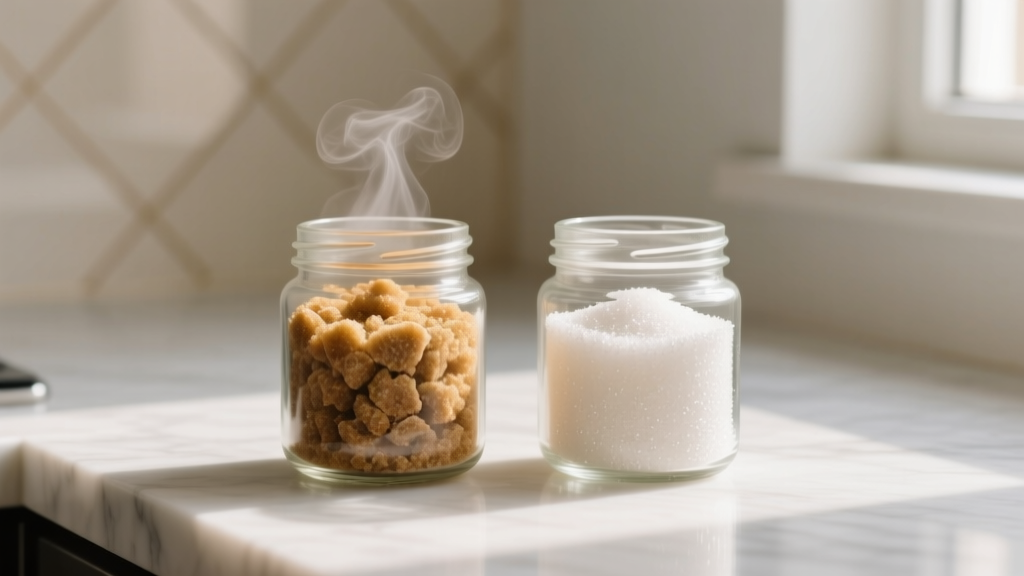
Let's be real: you've probably stared at a recipe wondering, "Can I swap these?" I've been there too—especially when my pantry's low on one. The confusion usually starts because they look similar but behave wildly differently in baking. See, granulated sugar is 100% refined sucrose, dry and free-flowing. Brown sugar? It's that same granulated sugar with molasses stirred back in. That molasses is the game-changer—it adds moisture, acidity, and that warm, toasty flavor we love in gingerbread. But here's the kicker: many folks think brown sugar's "healthier," which, as we'll see, is mostly hype.
The Nitty-Gritty: Fact Check Time
Okay, let's cut through the noise. I dug into culinary science (and yes, I've tested this in my kitchen for 20 years) to compare the real differences. No fluff—just what matters for your next bake. Check this table; it's based on hard data from Wikipedia and Medical News Today.
| Feature | Brown Sugar (Light) | Brown Sugar (Dark) | Granulated Sugar |
|---|---|---|---|
| Molasses Content | 3.5% by volume | 6.5% by volume | 0% |
| Calories per 100g | 380 | 380 | 385 |
| Calcium (per 100g) | 83mg | 83mg | 1mg |
| Texture/Feel | Moist, clumpy | Very moist, sticky | Dry, free-flowing |
| Flavor Profile | Mild caramel | Strong molasses | Neutral sweetness |
Notice anything? The nutrition gap is tiny—like, "you'd need to eat a pound daily for it to matter" tiny. As Sugar Nutrition Resource confirms, brown sugar has slightly more iron and potassium, but it's negligible in real-world use. Seriously, don't fall for the "health halo"—both are still sugar.
When to Grab Brown Sugar (and When to Skip It)
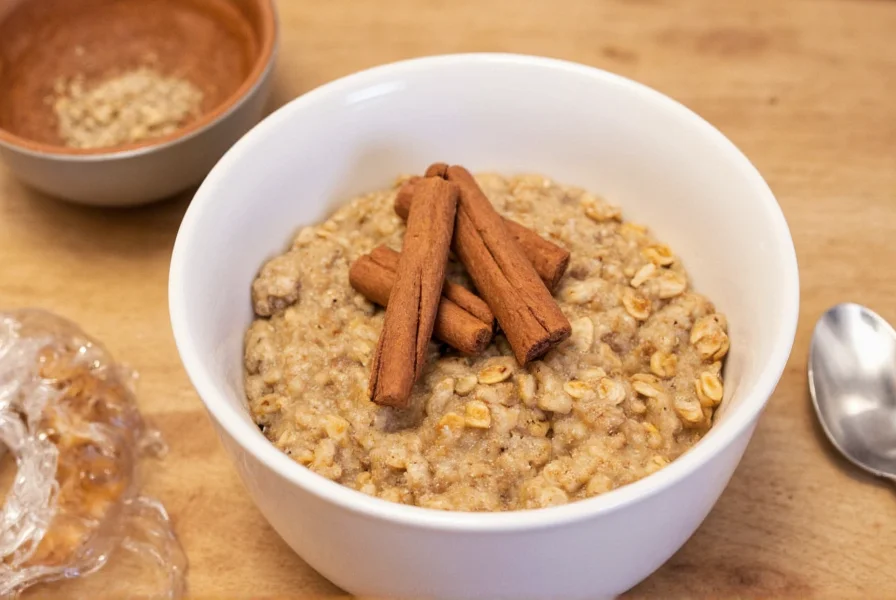
I'll save you the trial-and-error: brown sugar shines where moisture and depth matter. Think chewy chocolate chip cookies (thanks to molasses reacting with baking soda), barbecue sauces, or oatmeal toppings—it adds that "warm hug" flavor. But avoid it in recipes needing crispness or stability. Ever tried making meringues with brown sugar? Disaster. The moisture prevents proper whipping, leaving you with sad, flat peaks. Same goes for clear glazes or candy work—granulated's dryness keeps things shiny and firm.
Here's my go-to rule from years of baking:
- Use brown sugar when: You want chewiness (cookies, brownies), caramel notes (glazes, marinades), or moisture (oatmeal, muffins).
- Avoid brown sugar when: Crisp textures are key (shortbread, meringues), clarity matters (simple syrups), or acidity could interfere (some cakes with buttermilk).
Busting the Big Myths
"Brown sugar is healthier"—yep, I hear this all the time. But as Medical News Today points out, the calorie difference is just 5 per 100g. Not worth stressing over. Another myth: "You can't substitute them." Actually, you can—but with caveats. Swap brown for granulated in a pinch by adding 1 tbsp molasses per cup of white sugar (per Epicurious), but expect slight texture changes. Just don't do it for delicate recipes like soufflés.
Oh, and storage! Brown sugar hardens if exposed to air—keep it in an airtight container with a terra cotta disc. Granulated? Meh, it's low-maintenance. Toss it in a jar, and it'll last forever.
Everything You Need to Know
Nope—it's a common misconception. Brown sugar has marginally more minerals (like 83mg calcium vs. 1mg per 100g), but as Medical News Today confirms, you'd need to eat unrealistic amounts for it to matter. Both are 95%+ sucrose with nearly identical calories (380 vs. 385 per 100g). Focus on moderation, not the type.
Sure, but with trade-offs. For light brown sugar, mix 1 cup granulated sugar + 1 tbsp molasses (Epicurious method). It'll add moisture and flavor, so avoid in crisp cookies or meringues. Dark brown? Use 2 tbsp molasses—but expect stronger molasses taste. Never swap 1:1 without adjusting; it alters texture.
Molasses makes brown sugar hygroscopic—it grabs moisture from the air, then dries out and hardens. To soften, microwave with a damp paper towel for 20 seconds, or stash it with a slice of bread. Pro tip: Store it airtight with a terra cotta disc (like those little brown cookies) to regulate humidity. Granulated sugar rarely does this—it's way more chill.
It's all about molasses content. Light brown has ~3.5% (milder flavor, paler color), ideal for subtle sweetness in blondies or coffee. Dark brown packs ~6.5% molasses for bold notes in gingerbread or baked beans (King Arthur Baking). They weigh the same, so swap freely—but dark will intensify flavor.
Sometimes—but it's niche. Unrefined brown sugar (like muscovado) has 8-14% natural molasses, giving richer, more complex flavor (What's Sugar). Regular brown sugar has molasses added back post-refining, which can lack depth. That said, unrefined types are pricier and harder to find; for most home bakers, standard dark brown works great.
More Articles
 Swedish Cinnamon Buns: Pearl Sugar & Cardamom Secrets
 Minutes-Long Spice Storage Mistakes That Sabotage Flavor (and How to Fix Them)
 Biscuit Cinnamon Rolls: Quick Recipe Guide
 Cardamom Spice Uses: Sweet and Savory Applications Explained
 Chicken On A Budget: Smart, Flavorful, and Nutritious Meals for Under $2.50 Per Serving
 Oven-Roasted Spare Ribs: Perfect Temp & Timing Guide
 Ground Beef Sausage: What It Is & How to Use It Right
 Proven Steak Seasoning Guide for Grilling (No Guesswork)
 Spice Storage Methods and the 7 Most Common Mistakes Home Cooks Make (Backed by Lab Data)
 Greek Chicken Lemon Soup: Authentic Avgolemono Guide