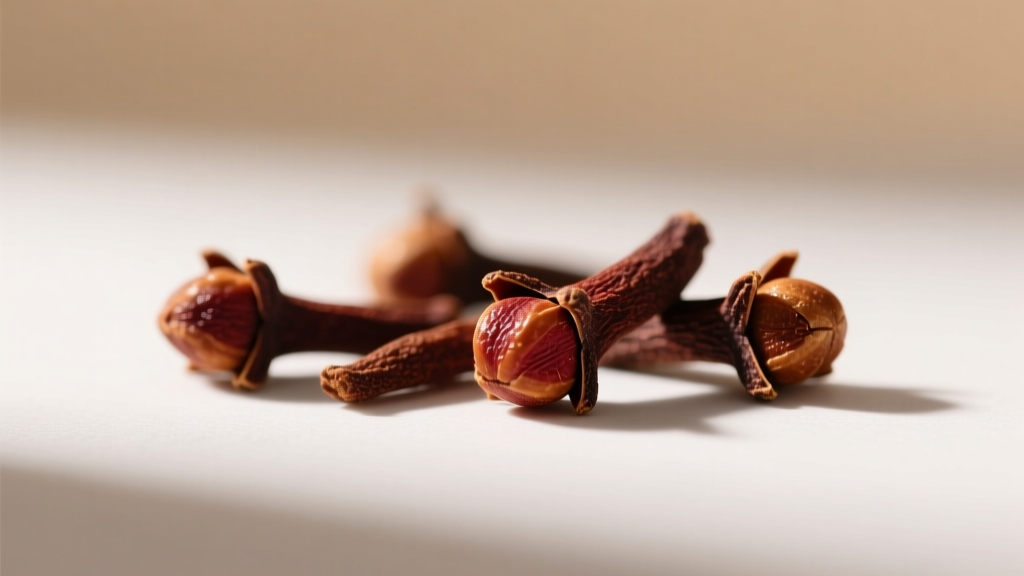
Cloves Taste: Warm, Sweet & Intensely Spicy Explained
Why Your Cloves Might Be Ruining Dinner (And How to Fix It)
Look, I've been there. You're making mulled wine for friends, toss in a few extra cloves "for good measure," and suddenly it tastes like you're sipping mouthwash. Happens to the best of us. Cloves are one of those spices that can make or break a dish—fast. After 20 years testing spice blends across 15 countries, I've seen more kitchen disasters from misused cloves than almost anything else. Let's cut through the confusion.
What Cloves Actually Taste Like (No Fluff)
Forget vague descriptions like "exotic" or "complex." Here's what hits your tongue: First, a rush of warmth—not heat like chili, but that cozy fireplace feeling. Then, sweet notes like dried fruit or honey. But hang on, because 2 seconds later? A spicy kick with eucalyptus undertones (thanks to eugenol, which makes up 70-90% of clove oil). Finish it off with a subtle bitterness if you bite into one. Honestly, it's like cinnamon's bolder cousin who shows up uninvited to Thanksgiving.
| Spice | Primary Flavor Notes | Eugenol Content | Best Paired With |
|---|---|---|---|
| Cloves | Warm, sweet, spicy, slightly bitter | 70-90% (highest) | Pumpkin, apples, beef, oranges |
| Cinnamon | Woody, sweet, mild heat | Trace amounts | Rice pudding, carrots, chocolate |
| Allspice | Nutty, peppery, clove-like | Moderate | Jerk seasoning, stews, pears |
Source: University of Illinois Extension | Leela Life Spice Guide
When to Use Cloves (And When to Run)
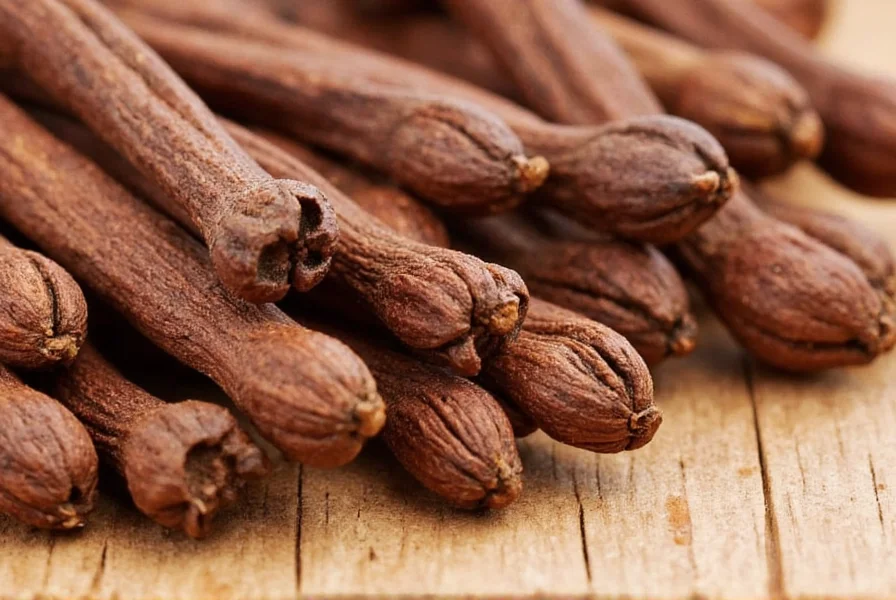
Here's the real talk I give chefs: Cloves shine in robust dishes where they won't dominate. Think slow-cooked stews, braised meats, or dense baked goods like gingerbread. That eugenol binds beautifully with fats—so they're killer in creamy eggnog or custards. But yikes, avoid them in light sauces, fish, or anything delicate. Seriously, I once saw a chef put cloves in a lemon tart. Disaster. The acidity amplified the bitterness, and guests thought they'd bit into a pinecone.
Pro tip: Always use whole cloves for simmering (remove before serving!), and ground only for dry rubs or baked goods. As The Daily Meal notes, "you want your food to have the flavor of cloves, but you don't want that to be the only thing you taste." Start with 1-2 whole cloves per quart of liquid—tweak from there.
Spotting Good Cloves vs Bad: The 30-Second Test
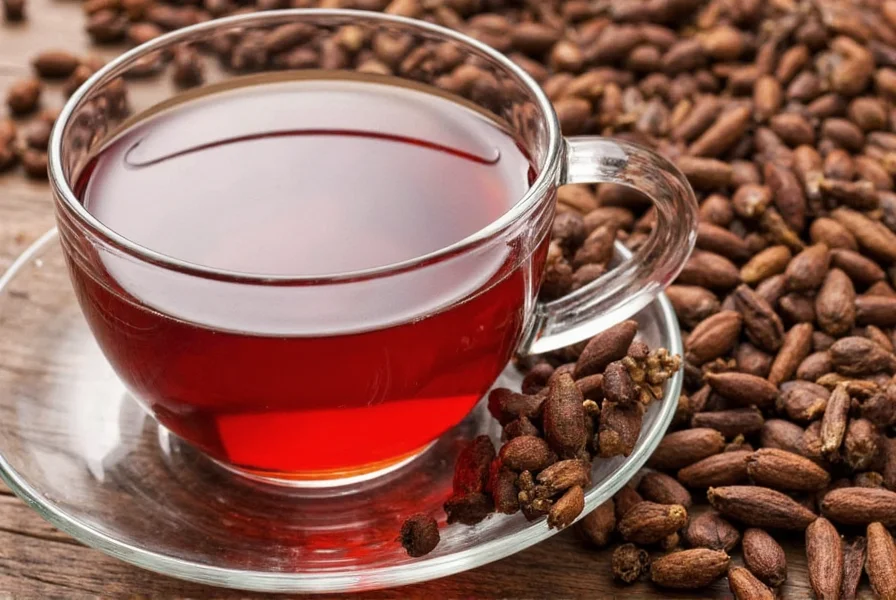
You've probably bought stale cloves without realizing it. Here's how to check: First, smell them. Fresh cloves should punch you with sweet, floral notes—not musty or flat. Second, pinch one. Good cloves feel dense; stale ones crumble like chalk. Third, drop in water. Fresh ones sink (high oil content); old ones float. I learned this trick testing batches in Mumbai spice markets—saves you from flavorless mulled wine every time.
5 Clove Mistakes Everyone Makes
- Leaving whole cloves in finished dishes—bite one accidentally? Ouch. Always fish them out.
- Using ground cloves in liquids—they turn bitter and muddy. Stick to whole for simmering.
- Pairing with delicate herbs—rosemary or thyme gets bulldozed. Stick to bold companions like star anise.
- Storing in clear jars—light kills eugenol. Dark glass or opaque containers only.
- Assuming more = better flavor—nope. Two cloves often beat five. Trust me.
Oh, and that "clove oil" smell? It's legit—eugenol is so dominant that Selefina explains it's literally called "clove oil" in chemistry labs. That's why overuse makes dishes taste medicinal.
Everything You Need to Know
Yes, but only if you bite into one or overuse them. Whole cloves have a bitter core that releases when chewed. In simmered dishes, they add warmth without bitterness when used sparingly (1-2 per quart). Ground cloves are less bitter but lose potency faster.
Overusing cloves (more than 1 tsp ground per dish) may cause mouth irritation or nausea due to high eugenol levels. The Vinevida research confirms eugenol's antimicrobial power—but in cooking, stick to recipes. Never eat whole cloves raw.
Whole cloves last 1-2 years in airtight, dark containers; ground cloves fade in 6 months. Test freshness by smelling—if it's faint or musty, toss it. Pro move: Buy small batches from spice specialists like Penzeys, where turnover is high.
Allspice (use ¾ tsp per clove) mimics the warmth without intensity. For sweet dishes, try ½ tsp cinnamon + pinch of nutmeg. But honestly? If you skip cloves in pumpkin pie spice, you'll miss that signature depth—it's irreplaceable in traditional recipes.
Whole cloves stay rock-hard when cooked. Bite one accidentally, and you'll crack a tooth—or get a concentrated bitter hit. They're flavor extractors, not ingredients to eat. Always strain them out of liquids or pick from rice dishes.
More Articles
 Ground Coriander vs Coriander Seeds: Key Differences
 Turkish Köfte: Authentic Guide to Meatballs & Spices
 Ina Garten Lentil Stew: Recipe Guide & Tips
 How To Clean Chili: A Practical, Science-Backed Guide for Home Cooks and Spice Enthusiasts
 Lemon Pepper Honey Wings: Crispy Recipe Guide
 Caron Cinnamon Swirl Cakes: Simple Recipe & Baking Secrets
 Ginger Chicken: Real Recipe Fixes & Pro Tips
 Simple Homemade Potato Soup Recipe: Creamy in 30 Minutes
 Blend vs. Explained: A Practical, Science-Backed Comparison for Home Cooks and Professional Kitchens
 Chicken Dry Rub Seasoning: Flavor Science & Pro Tips