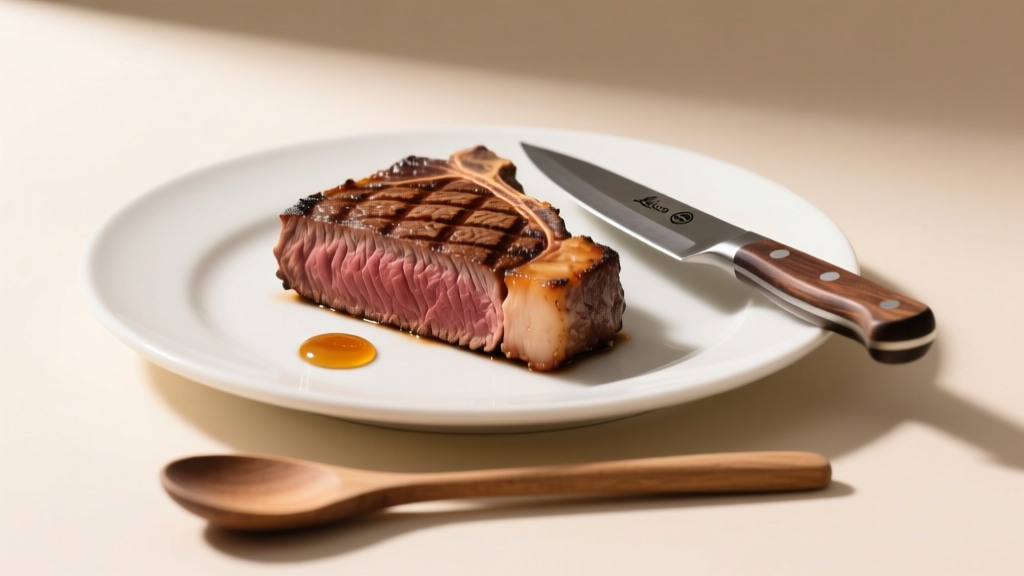
Beef Steak Cooking: Step-by-Step for Perfect Results
Why Your Steak Keeps Failing (And How to Fix It)
Look, I've cooked hundreds of steaks over 20 years—from backyard BBQs to test kitchens—and 90% of failures boil down to three things: cold meat hitting the pan, guessing doneness, or skipping rest time. Seriously, pulling steak straight from the fridge? That's why you get gray bands. And eyeballing 'medium-rare'? Good luck. Let's fix this once and for all.
Choosing Your Cut: Quality Over Hype
Not all steaks are created equal. Ribeye? Great marbling but pricier. Sirloin? Budget-friendly but leaner. Here's the real deal for home cooks:
| Cut | Best For | Avoid If... | Price Range (per lb) |
|---|---|---|---|
| Ribeye | First-timers; rich flavor lovers | You're watching fat intake | $14-$22 |
| Striploin | Balance of tenderness and value | You want extreme marbling | $12-$18 |
| Chuck | Slow-cooked dishes; tight budgets | You need quick weeknight meals | $8-$12 |
Pro tip: Press the steak with your finger—it should spring back like your cheek for medium-rare, not your forehead. And skip 'wagyu' unless you're splurging; USDA Prime ribeye gives 90% of the experience for half the cost.

Your Step-by-Step Cooking Playbook
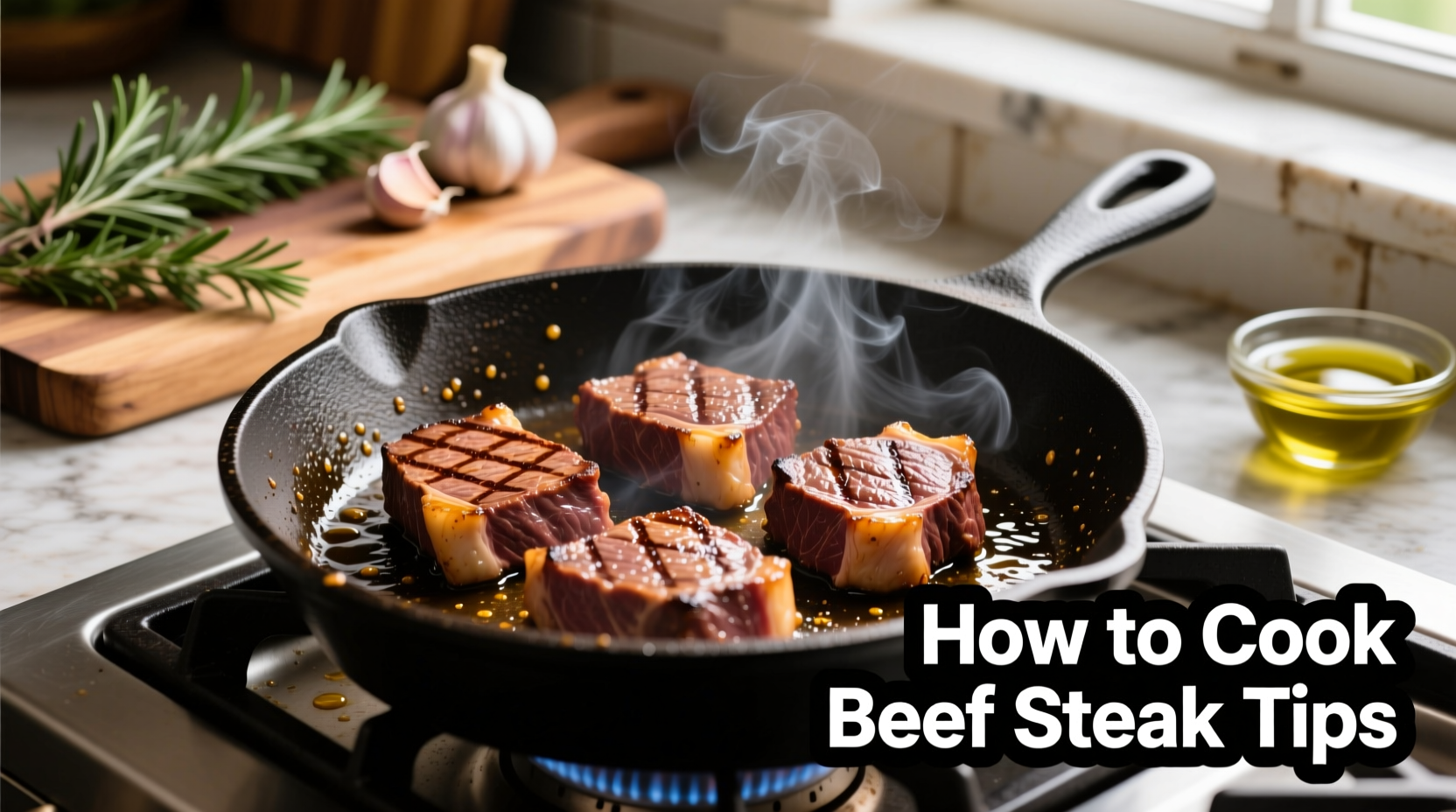
Okay, let's get practical. You'll need: cast-iron skillet (non-stick won't cut it), tongs, meat thermometer, and patience. Oh, and wipe that butter obsession—oil with high smoke point like avocado oil only.
- Prep (20 mins before): Pull steak from fridge. Pat bone-dry with paper towels. Salt generously—yes, now. Salt draws out moisture initially but creates that killer crust later.
- Sear (critical phase): Heat skillet until smoking hot. Oil pan, not steak. Sear 2-4 mins per side until deep brown. Flip only once—messing with it steams the meat.
- Check temp: Insert thermometer sideways into thickest part. Pull at 120°F for medium-rare (it'll rise 5° while resting).
- Rest (don't skip!): Tent loosely with foil for 5-10 mins. This isn't resting—it's juice redistribution. Cut too soon? Hello, bloody plate.
When to Use Pan vs. Oven (And When to Bail)
Here's where most guides lie to you: that 'oven finish' hack only works for steaks thicker than 1.5 inches. For standard 1-inch cuts? Stick to the pan. Oven method adds cleanup for zero flavor gain. And frozen steak? Technically possible per USDA guidelines, but you'll lose crust quality—thaw overnight in the fridge instead. Honestly, if your kitchen's steaming up like a sauna, just open a window; don't risk lowering pan temp with a fan.
Top 3 Mistakes Even 'Experienced' Cooks Make
- Peeking under the foil during rest: Lets heat escape. Trust the process—set a timer and walk away.
- Using grill marks as doneness guide: Char ≠ cooked. Thermometer or bust.
- Rinsing raw steak: Spreads bacteria. Pat dry only—USDA confirms this reduces cross-contamination risk.
Everything You Need to Know
Sadly, you can't reverse overcooking—but salvage it fast. Thinly slice against the grain, then soak in warm broth for 5 minutes. Works for medium-well at best; beyond that, repurpose into steak salad. Prevention? Pull steak 5°F below target temp.
Not unsafe per USDA (160°F kills pathogens), but quality tanks. Muscle fibers squeeze out all juices past 150°F, making it dry and tough. If you must, choose well-marbled cuts like ribeye and add compound butter after resting to compensate.
Fridge: 3-5 days max in original packaging. Freezer: 6-12 months if vacuum-sealed. Never refreeze thawed steak—USDA data shows texture degradation and bacterial risk after first thaw.
Save extra virgin for salads. Its low smoke point (325°F) burns easily, creating bitter flavors. Use avocado oil (smoke point 520°F) or refined canola instead—trust me, your smoke alarm will thank you.
More Articles
 Best Chili Sauce Substitutes When You're Out
 How to Use a Pressure Cooker: Safe Step-by-Step Guide
 How to Make Clove Water: Simple Recipe & Uses
 Leek and Mushroom Pasta: Simple Recipe & Pro Tips
 Cumin vs Coriander: Key Differences (2026)
 Cheesy Hash Brown Potato Casserole: Foolproof Recipe Guide
 Feta Cheese & Tomato Pasta: Authentic Greek (2026)
 How to Cook Orange Roughy Without Overcooking It
 Red Velvet Flavor: What It Really Tastes Like (2026)
 Cloves to Tsp: Exact Conversion for Cooking & Baking