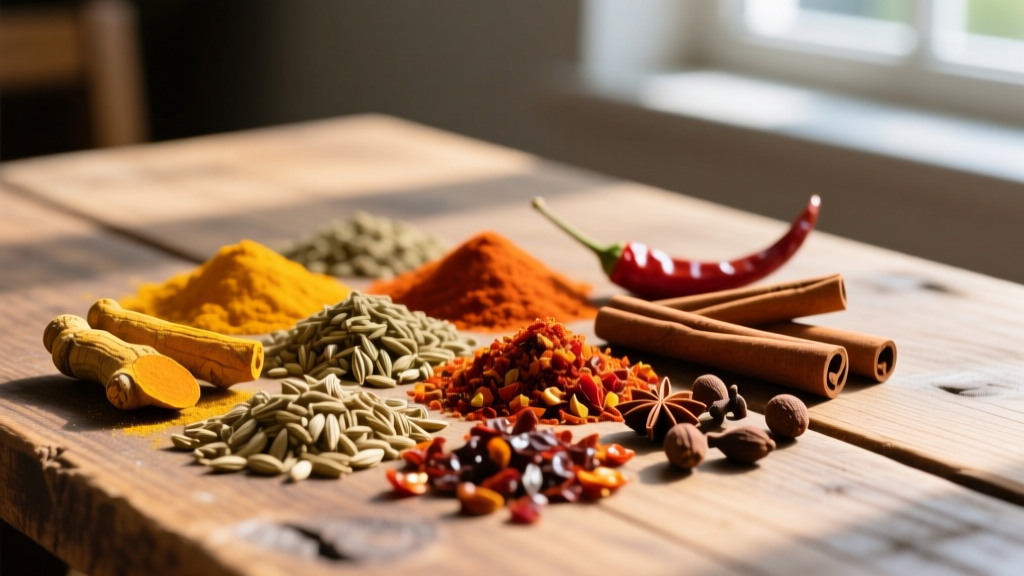
Sumac Spice: A Complete Beginner Guide
What Is Sumac?
Sumac (Rhus coriaria) is a deep red-purple spice made from dried and ground berries of the sumac shrub. Common in Middle Eastern and Mediterranean cuisines, sumac delivers a tangy, lemony flavor that brightens dishes without adding liquid acidity.
Flavor Profile
Sumac tastes tart and fruity, similar to lemon juice but with a more complex, earthy undertone. Unlike citric acid, sumac provides a gradual sourness that builds as you chew. The flavor comes from malic acid, citric acid, and tannins naturally present in the berries.
Culinary Uses
Sumac is incredibly versatile in the kitchen. It works as a finishing spice sprinkled over hummus, kebabs, and salads. In Lebanese cuisine, it is a key ingredient in za'atar spice blend. Turkish cooks use it to season onion salads and grilled meats. You can also mix sumac into yogurt sauces, marinades, and vinaigrettes.
Health Benefits
Research shows sumac is rich in antioxidants, particularly flavonoids and polyphenols. A study in the Journal of Medicinal Food found that sumac has one of the highest ORAC (Oxygen Radical Absorbance Capacity) scores among culinary spices. It may help regulate blood sugar levels and reduce cholesterol.
Buying and Storing Sumac
- Look for deep burgundy-red color (avoid brown sumac)
- Buy whole berries when possible and grind fresh
- Store in airtight container away from light
- Ground sumac keeps 6-12 months; whole berries last 2 years
Easy Substitution Tips
If you cannot find sumac, substitute with lemon zest mixed with a pinch of paprika for color. However, the unique tartness of sumac is difficult to replicate exactly, so it is worth seeking out at Middle Eastern markets or online specialty stores.
More Articles
 Potato Soup: Why Russets Beat Red Potatoes (2026)
 Texas Roadhouse Baked Potato: What Makes It Special
 The Spice Shelf Saboteurs
 Cloves Seasoning: Measurements, Subs & Techniques
 Can You Eat Cinnamon Sticks? Safety Guide
 Mashed Potato Pizza: Easy Gluten-Free Recipe & Tips
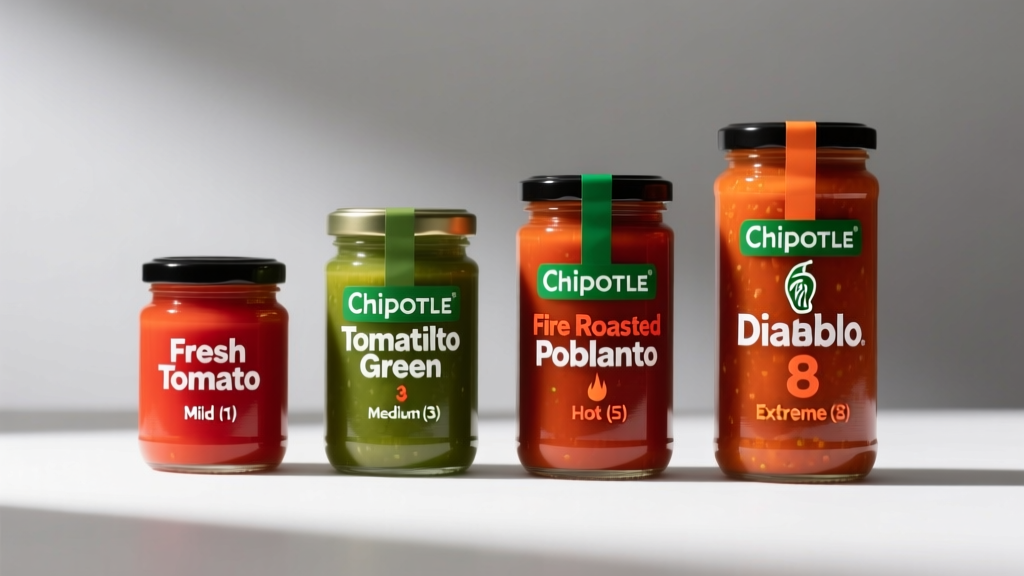 Chipotle Salsa Spice Levels Explained (Actual Heat Ratings)
 Simple Garlic Fried Rice Recipe: Perfect Every Time
Sumac Spice: Tangy Lemon Alternative (2026)
 Sweet Potato Nutrition: How Cooking Method Changes It