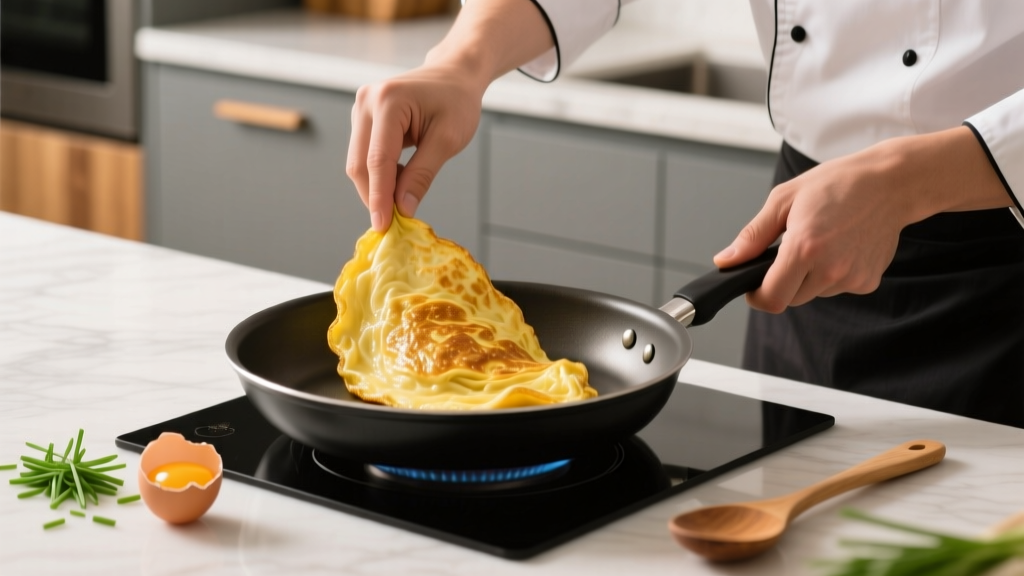
How to Cook the Perfect Omelette: A Chef's Guide
Why Your Omelette Keeps Failing (And How to Fix It)
Look, I've flipped hundreds of omelettes in my 20 years as a chef, and here's the brutal truth: most home cooks wreck theirs before the pan even heats up. You're probably using cold eggs straight from the fridge, cranking the burner to high, or drowning it in fillings. Honestly? That's why you end up with rubbery hockey pucks instead of that dreamy French-style cloud. Let's fix this once and for all.
The Non-Negotiables: What Makes an Omelette "Perfect"
Forget everything you've seen on TikTok. Real perfection means:
- Creamy interior—wet enough to glisten but not runny
- Pale gold exterior—zero browning or bubbles
- Single, clean fold—no scrambled-egg texture
Anything else? Not perfect. Period. This isn't about fancy techniques—it's about respecting how eggs behave. Overheat them, and proteins seize up like a clenched fist. Underheat, and you get sad, watery eggs.
Your Toolkit: Skip the Gimmicks
Save your money. You don't need copper pans or $200 whisks. But these three things? Non-negotiable:
- 8-inch nonstick skillet—ceramic or PTFE, no cast iron (it's too reactive)
- Room-temp eggs—pull them out 30 mins pre-cook
- Water, not milk—milk steams and toughens eggs
Step-by-Step: The 120-Second Method
Follow this like your brunch reputation depends on it (because it does):
- Whisk 2 eggs with 1 tbsp water and pinch of salt until just combined—no bubbles!
- Heat pan over medium-low (175°F/80°C surface temp) with 1 tsp butter
- Pour in eggs, stir slowly with chopstick for 20 seconds until edges set
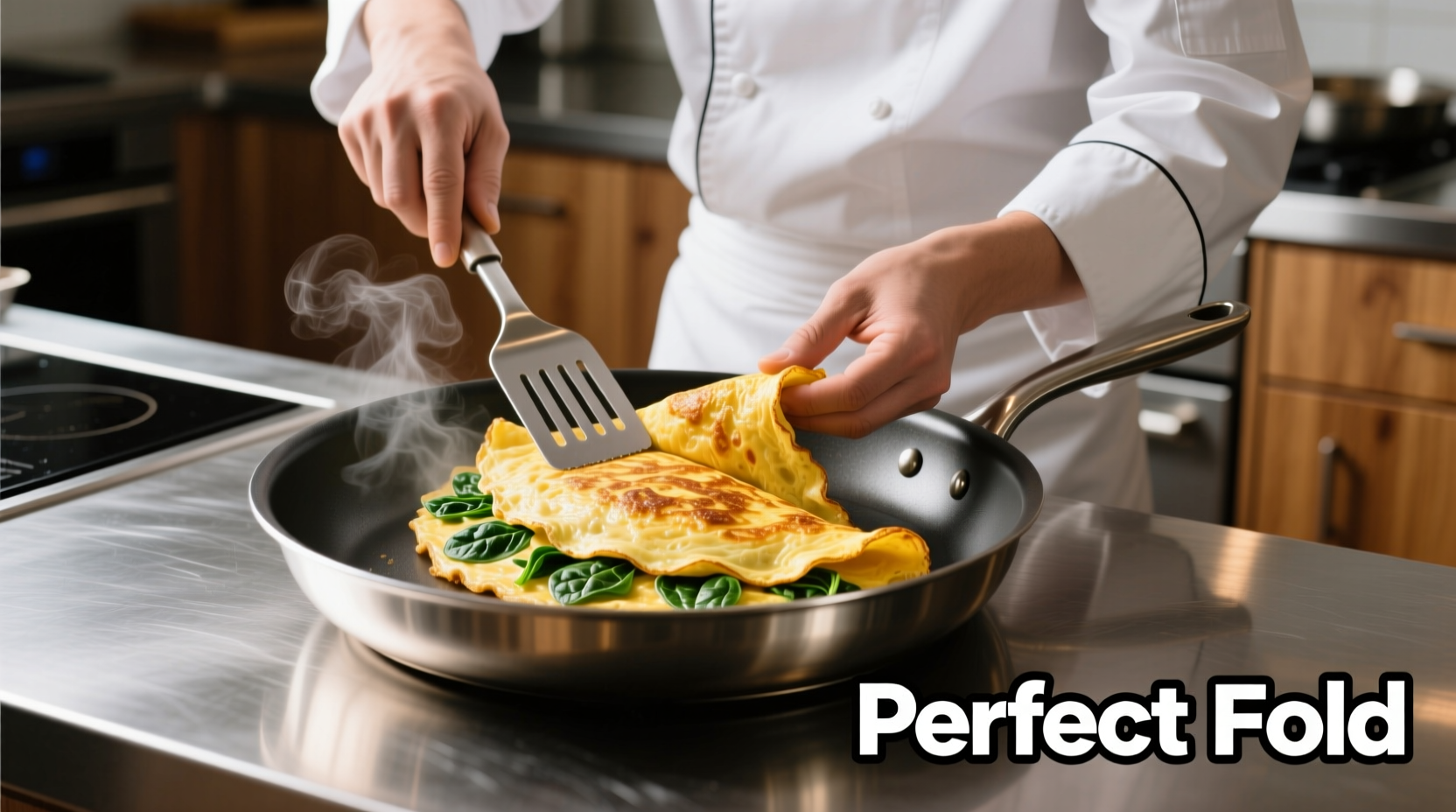
- Shake pan to loosen, tilt 45°, and fold with wrist flick (watch the image above)
- Slide onto warm plate seam-side down—never flip it
Fillings: When to Use (and Avoid) Them
| Fillings | When to Use | When to Avoid |
|---|---|---|
| Grated cheese | During final 10 seconds of cooking | If making classic French style (purists skip it) |
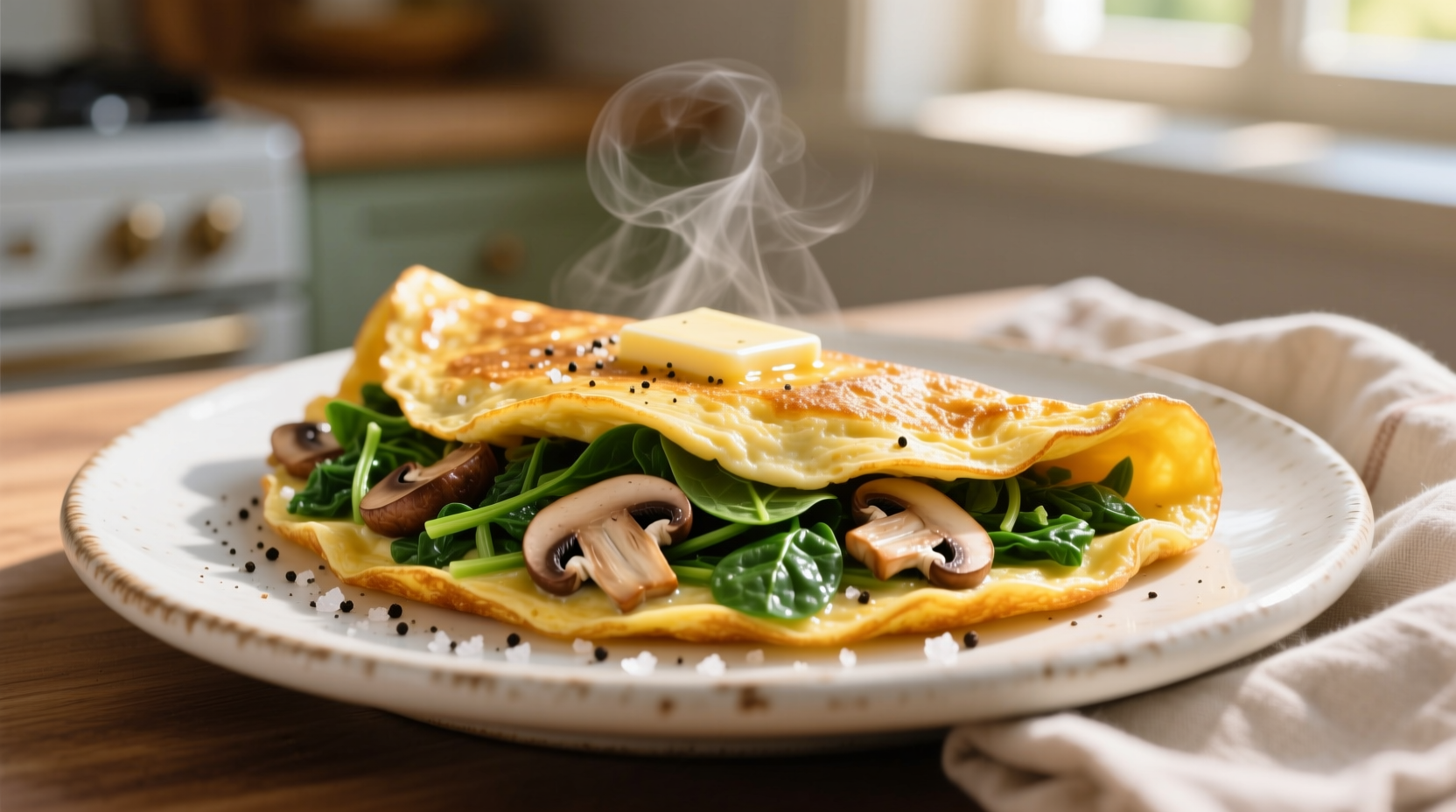
| Spinach/mushrooms | Pre-cooked and cooled (add at fold stage) | Raw or watery—causes steaming and breakage |
| Herbs | Chopped fine, mixed into eggs pre-pour | Stems or large leaves—they burn |
Real Mistakes Even Cooks Make (And Fixes)
After testing 50+ omelettes, these errors destroy perfection every time:
| Mistake | Why It Ruins It | Fix |
|---|---|---|
| Using high heat | Overcooks exterior before interior sets | Touch pan rim—if too hot to hold hand near, it's too hot |
| Over-stirring | Creates small curds (scrambled eggs) | Stir max 3 times; let eggs flow naturally |
| Adding fillings too early | Weight breaks the egg sheet | Wait until surface is 70% set |
French vs. American: Know Your Style
Here's where things get spicy. The "perfect" omelette depends on your goal:
- French style (this guide): Creamy, pale, folded tight. No fillings inside—just buttery elegance. Ideal for breakfast.
- American style: Fully cooked, browned edges, stuffed like a burrito. Great for hearty brunch—but not "perfect" by classic standards.
Pro tip: If you want that Instagrammable creamy center, skip the Spanish tortilla (potato-heavy) and stick to French technique. Trust me—your taste buds will thank you.
How to Spot Perfection (Before You Bite)
Don't guess—use these cues:
- Color: Uniform pale gold, like a new penny
- Texture: Slightly jiggles when shaken (sets fully off-heat)
- Sound: Quiet sizzle—not violent popping
If it's browning? Heat's too high. If it's watery? Not cooked long enough. Simple.
Everything You Need to Know
Milk contains water and fat. When heated, the water steams and creates air pockets that toughen the egg proteins. Water alone adds moisture without destabilizing the structure—critical for that creamy texture. Chefs ditched milk for French omelettes decades ago for this exact reason.
Two keys: room-temp eggs (cold eggs shock the pan) and proper heat control. Butter should foam gently—not brown instantly. If sticking happens, your pan's likely too hot or your nonstick coating is degraded. Pro move: Wipe the pan with a buttered paper towel before heating for an invisible nonstick layer.
Honestly? Not for French-style perfection. Cast iron's reactive surface bonds with egg proteins, making clean folding impossible. It works for American-style (where you scramble fillings in), but the heat retention causes uneven browning. Stick to nonstick for that seamless fold—this isn't the place for "character".
30 minutes is the sweet spot. Any less, and the cold center won't cook evenly. Any more, and food safety risks increase (eggs shouldn't sit >2 hours at room temp). Pro tip: Crack eggs into a bowl first—it warms faster than leaving them in-shell.
Two culprits: overfilling (weight breaks the structure) or undercooking (eggs aren't set enough to hold shape). Solution: Use max 2 tbsp fillings, and wait until the surface is 70% set (still slightly wet) before folding. Never add fillings during whisking—they sink and weaken the base layer.
More Articles
 Best Dishes to Serve with Potato Rosti: Complete Guide
 Chipotle Meats Spicy Level Guide: Heat Ratings Explained
 Best Vegetables for Tikka Masala: Perfect Pairings
 Bowl of Chili Calories: Complete Nutritional Breakdown
 Beef Steak Cooking: Step-by-Step for Perfect Results
 Honey Baked Ham Guide: Perfect Recipe & Pro Tips
 How to Identify a Bad Sweet Potato: 5 Clear Warning Signs
 Bell Pepper Carb Count: Exact Numbers by Color
 Sichuan Pepper vs Black Pepper: Compared
 Simple Garlic Fried Rice Recipe: Perfect Every Time