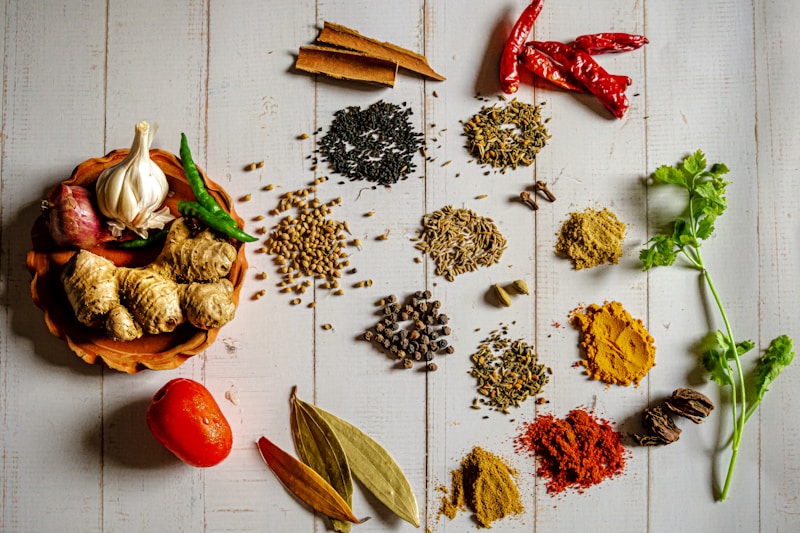
4 Basic Types of Spices: A Beginner's Classification Guide
Why Classify Spices?
Understanding the botanical origin of spices helps you predict their flavor behavior. Spices from the same plant part tend to share characteristics in terms of heat release, shelf life, and best cooking methods.
The 4 Basic Types
1. Bark Spices
Cinnamon and cassia are the classic examples. Harvested from tree trunks, bark spices tend to be warm, sweet, and long-lasting. They release flavor slowly, making them ideal for simmering in stews, curries, and mulled drinks.
2. Seed Spices
Cumin, coriander, fennel, mustard, and fenugreek all come from seeds. These spices are often toasted before use to activate their essential oils. They provide earthy, nutty, and sometimes pungent flavors.
3. Root Spices
Turmeric, ginger, and galangal are root spices. They tend to be potent, fibrous, and rich in volatile compounds. Root spices are often used fresh or dried and ground into powder.
4. Fruit/Berry Spices
Black pepper, allspice, juniper berries, and chili peppers are technically fruits. They range from sharp and hot to sweet and aromatic. Their flavors are usually concentrated in the outer shell or flesh.
How to Use This Knowledge
When building a spice blend, try combining spices from different categories for a more complex flavor profile. For example, a classic curry might use bark (cinnamon), seeds (cumin, coriander), and root (turmeric) together.
Shelf Life by Type
Whole bark and seed spices last the longest (2-4 years), while root powders lose potency faster (6-12 months). Fruit spices like pepper retain flavor well when stored whole but degrade quickly once ground.
More Articles
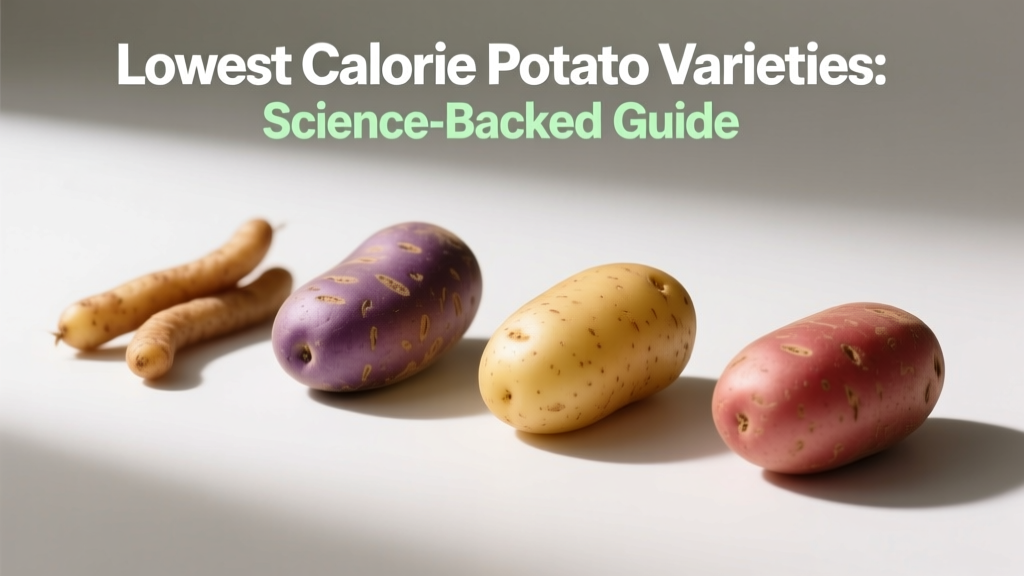 Lowest Calorie Potato Varieties: Science-Backed Guide
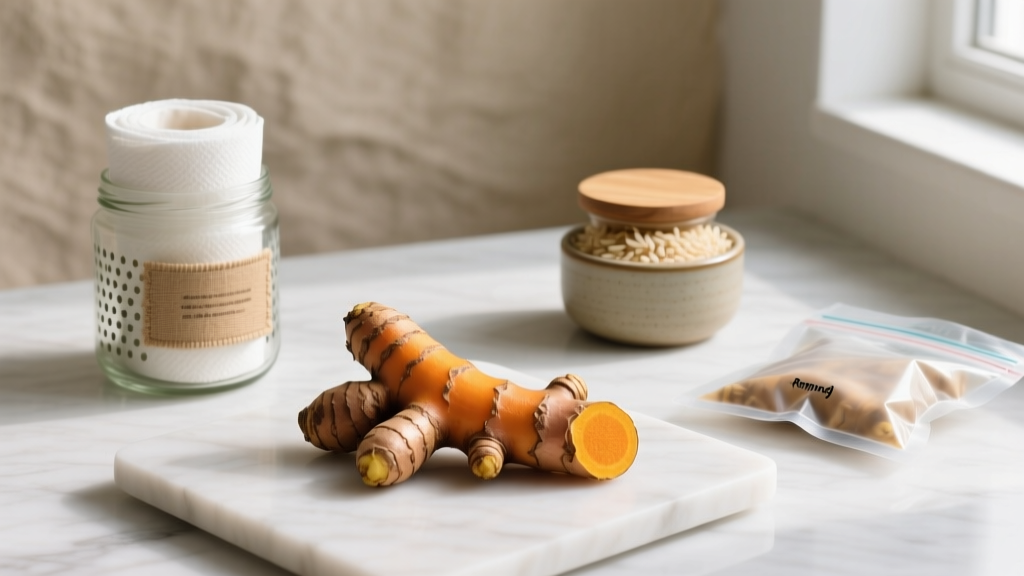 How to Store Turmeric Root: 3 Best Methods for Freshness
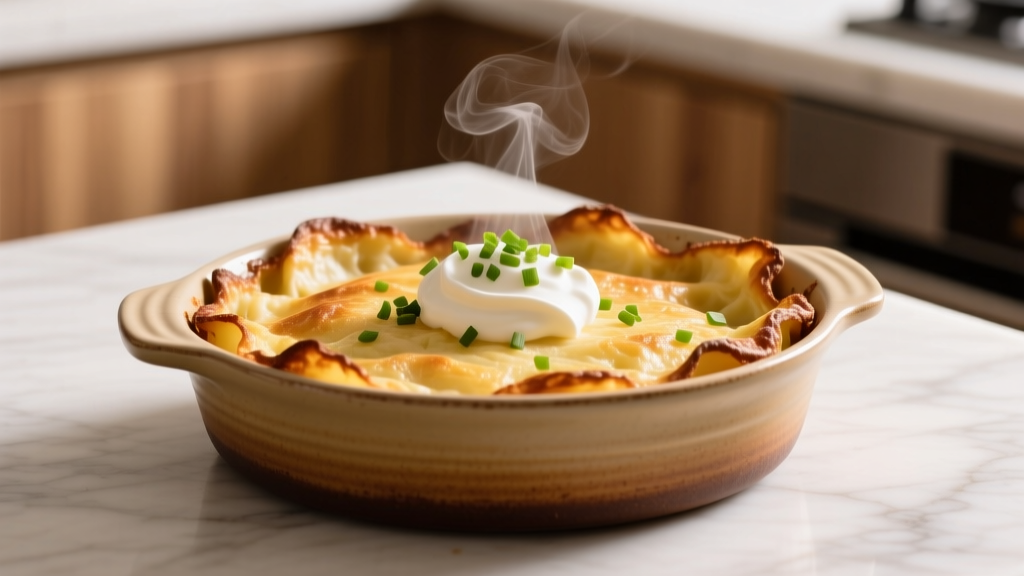 Potato Bake with Sour Cream: The Definitive Guide
 5 Practical Recipes Using Tomato Soup (With Pro Tips)
 Garlic Achaar: Authentic Recipe and Health Insights
 How Long to Cook Standing Rib Roast: Exact Timing Guide
 How to Bake Cauliflower in Oven: Crispy Guide
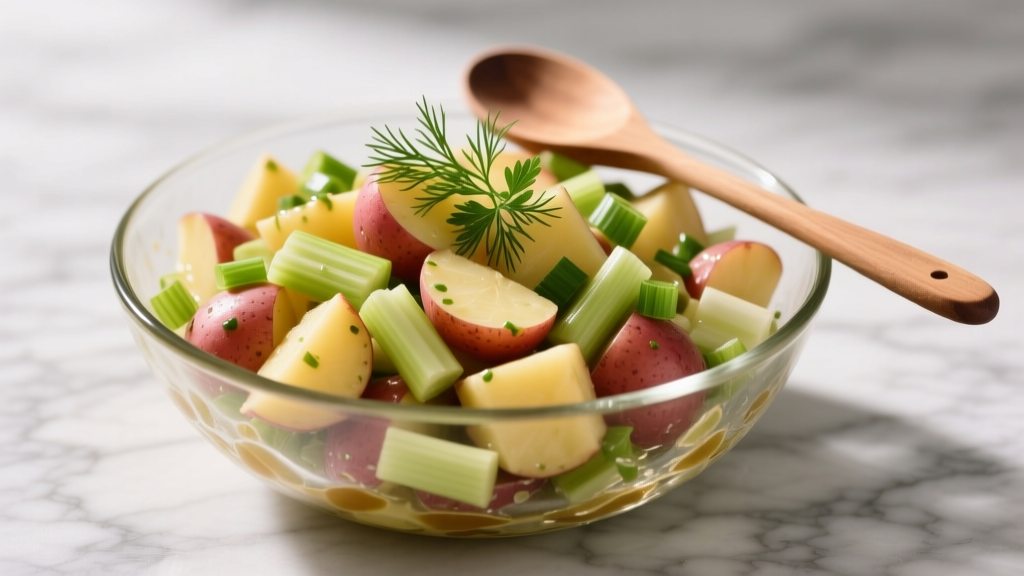 Potluck Potato Salad: No-Soggy Recipe Guide
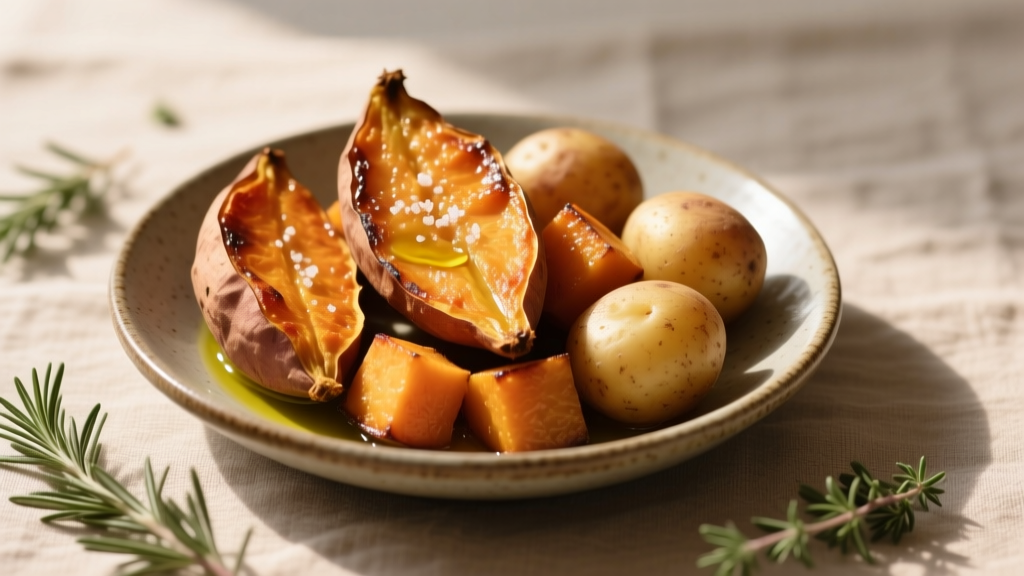 Sweet Potato Roast Potatoes: Crispy Guide & Health Swap
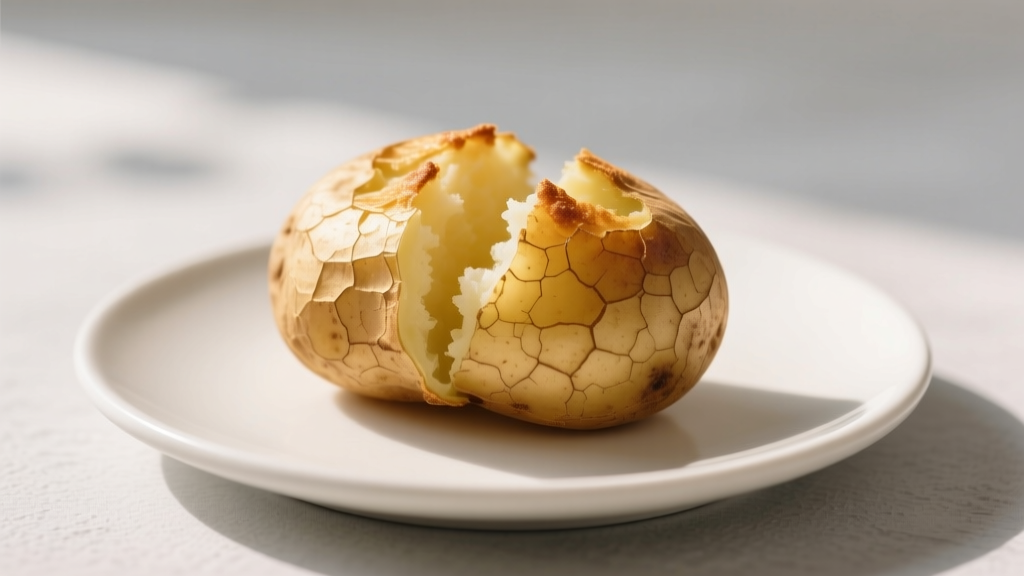 Air Fryer Baked Potato: Crispy Skin, Fluffy Inside Fast