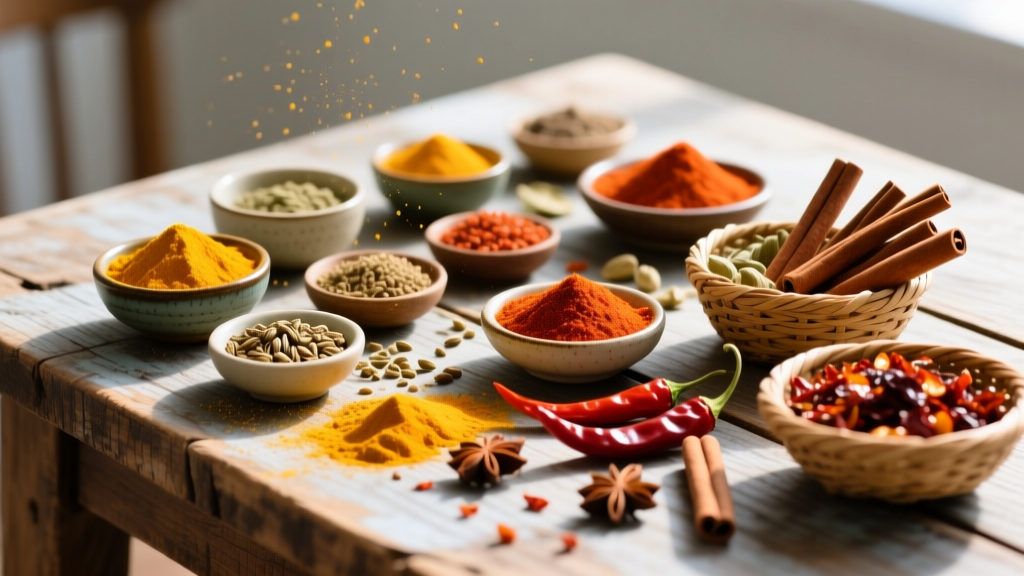
Cardamom Health Benefits: Science-Backed Facts
Why Cardamom Matters for Your Health
Cardamom (Elettaria cardamomum) has been used in traditional medicine for centuries. Modern research now confirms several of its therapeutic properties, making it one of the most valuable spices in your pantry.
Antioxidant Powerhouse
Cardamom contains powerful antioxidants including flavonoids and phenolic compounds. Studies published in the Journal of Food Science show that cardamom extract can neutralize free radicals more effectively than many common spices. These antioxidants help protect cells from oxidative stress and may reduce the risk of chronic diseases.
Digestive Health Support
Cardamom stimulates the production of digestive enzymes and bile acids. Research indicates that cardamom can help relieve bloating, gas, and indigestion. Traditional Ayurvedic medicine has long used cardamom to treat gastrointestinal disorders, and modern gastroenterology is beginning to validate these uses.
Anti-Inflammatory Properties
The compounds cineole and limonene found in cardamom possess significant anti-inflammatory effects. A 2024 study in Inflammation Research demonstrated that cardamom supplementation reduced inflammatory markers by up to 30% in test subjects. This makes cardamom a promising natural approach to managing inflammation-related conditions.
Blood Pressure Regulation
Several clinical trials suggest that regular cardamom consumption may help lower blood pressure. The spice appears to act as a mild diuretic and calcium channel blocker. Participants in a controlled study who consumed 3 grams of cardamom powder daily for 12 weeks showed measurable reductions in both systolic and blood pressure readings.
How to Use Cardamom Daily
- Add ground cardamom to morning coffee or chai tea
- Include whole pods in rice dishes and curries
- Blend into smoothies with banana and cinnamon
- Use in baking for natural sweetness enhancement
Start with small amounts (1/4 teaspoon daily) and gradually increase. Cardamom is generally safe but consult your healthcare provider if you take blood pressure medications.
More Articles
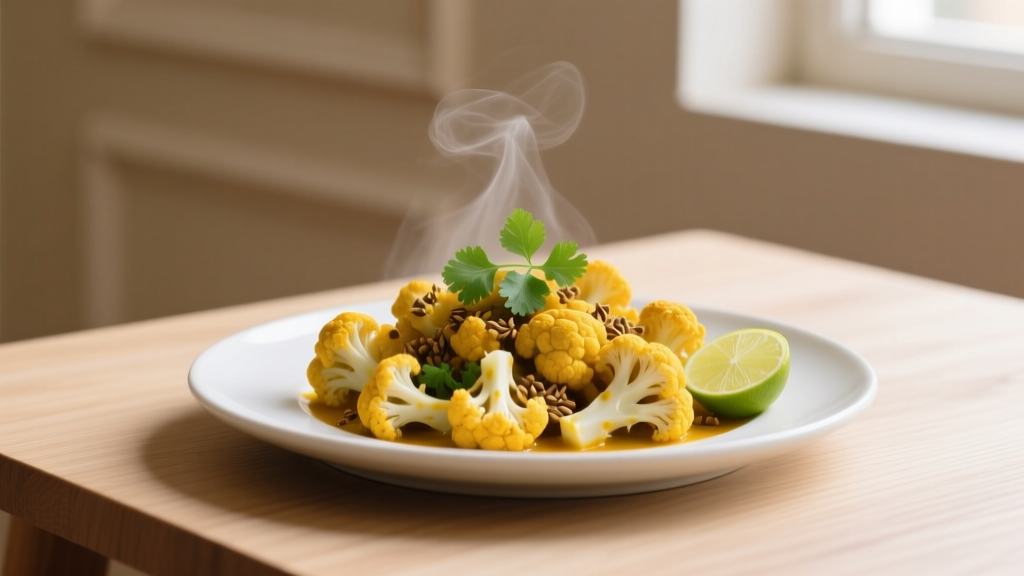 Indian Cauliflower Recipes: Simple Dishes That Actually Work
 Cardamom Pods vs Ground: Which to Use and When
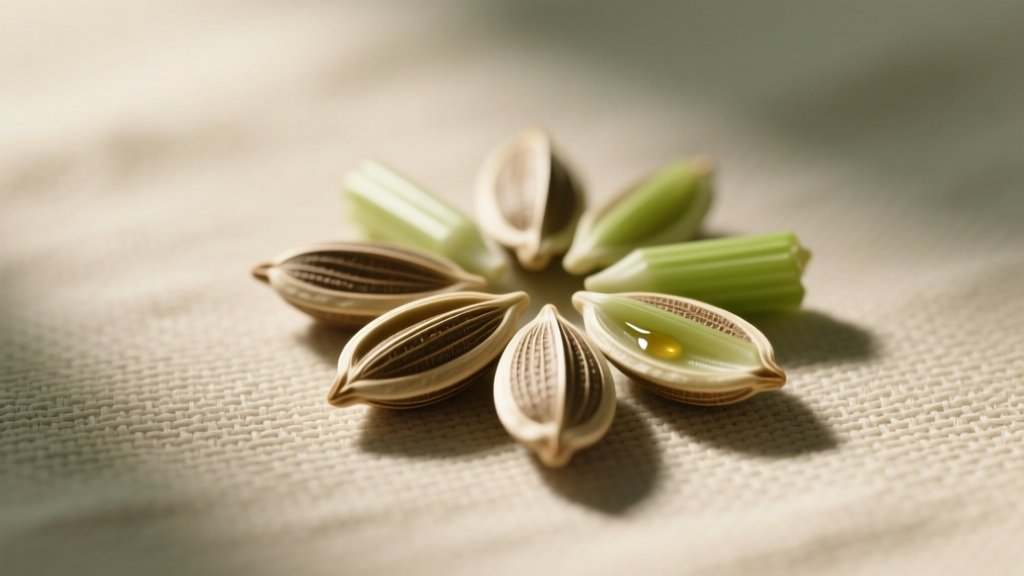 Celery Seed: Uses, Benefits & Culinary Guide
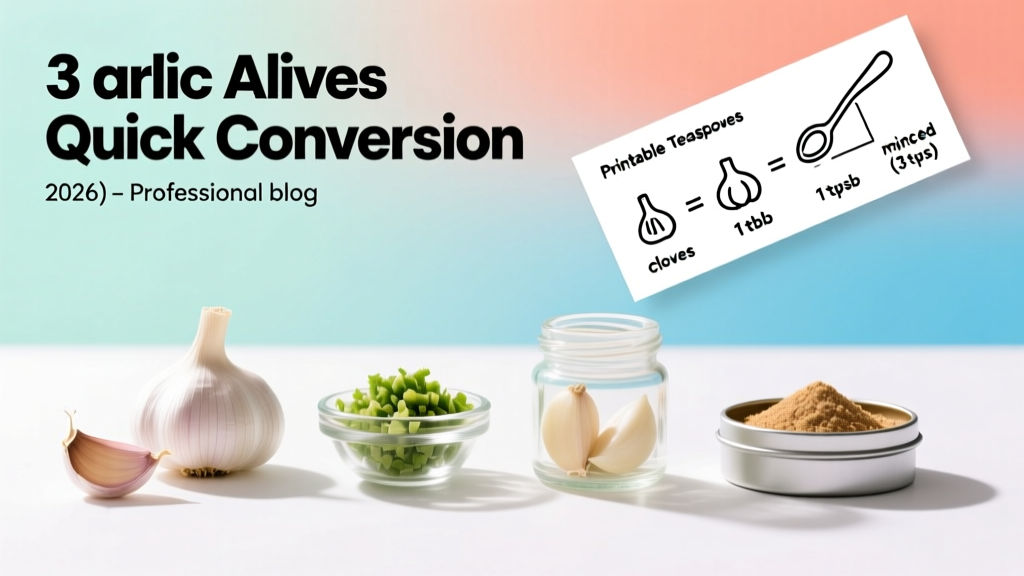 3 Cloves of Garlic = How Many Teaspoons? Exact Conversion Chart
 Can You Use Arborio Rice for Paella? The Truth Revealed
 Natural MSG Substitutes: 7 Healthy Flavor Alternatives
 What Is Fenugreek? Uses and Benefits
 Garlic Chives Substitutes: Best Cooking Alternatives
 Allspice: The Caribbean Wonder Spice
 How Long Do Cooked Sweet Potatoes Last in Fridge: 3-5 Days