The Spice Trade Routes That Shaped World History
Why Spices Were Worth More Than Gold
For most of human history, spices were among the most valuable commodities on Earth. A pound of black pepper in ancient Rome was worth a month's wages. Saffron was traded weight-for-weight with gold. The desire for spices launched empires, funded explorations, and redrew the map of the world.
The Maritime Spice Route
The oldest spice route connected the Maluku Islands (the "Spice Islands" of modern Indonesia) to India, the Middle East, and eventually Europe. Arab traders dominated this route for centuries, guarding the source of cloves, nutmeg, and mace so jealously that Europeans believed these spices grew at the bottom of the sea.
The Silk Road Connection
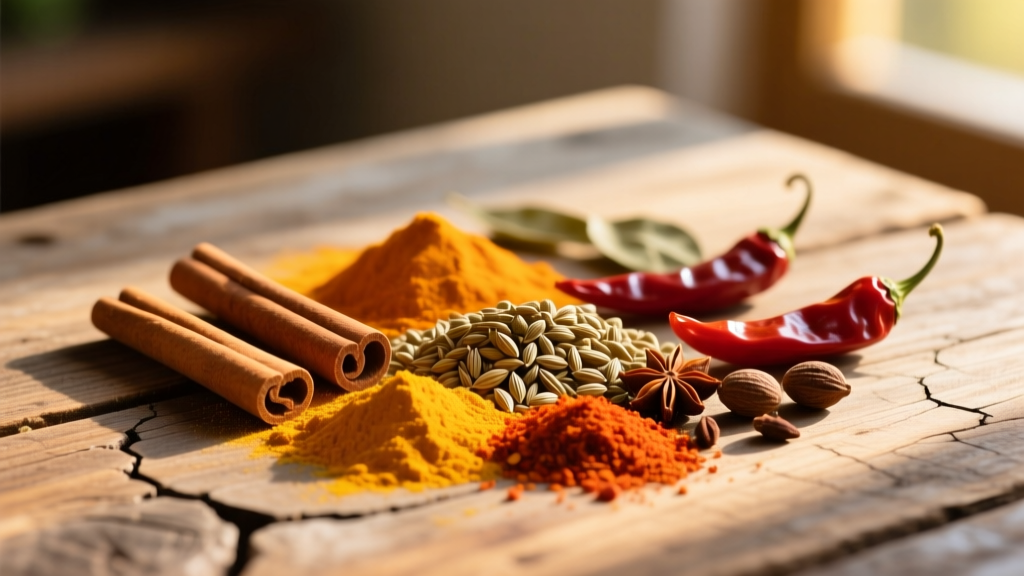
- Key spices moved west: Black pepper, cinnamon, cardamom, turmeric
- Key spices moved east: Saffron, cumin, fennel
- Cultural exchange: Buddhism, Islam, and cooking techniques traveled alongside spices
The European Scramble for Spices
When the Ottoman Empire blocked traditional spice routes in 1453, European powers desperately sought alternative paths. Portugal sailed around Africa (Vasco da Gama reached India in 1498). Spain sailed west (Columbus stumbled upon the Americas). The Dutch East India Company (VOC) became the world's first multinational corporation and the most valuable company in history, all built on nutmeg and cloves.
The Dark Side of Spice
The spice trade had devastating consequences. The Dutch massacred the Bandanese people to monopolize nutmeg. Portuguese colonization brought slavery to spice-producing regions. The pursuit of spices directly fueled colonialism, exploitation, and centuries of violence in Southeast Asia and the Indian subcontinent.
Legacy Today
Modern global cuisine is a direct result of these trade routes. Indian curry in British pubs, chili peppers in Thai food (originally from the Americas), cinnamon in Mexican chocolate — all reflect centuries of spice trade and cultural exchange that continue to shape what we eat today.
More Articles
 World Safety Tips: Practical, Culture-Smart Guidance for Global Travelers and Home Cooks
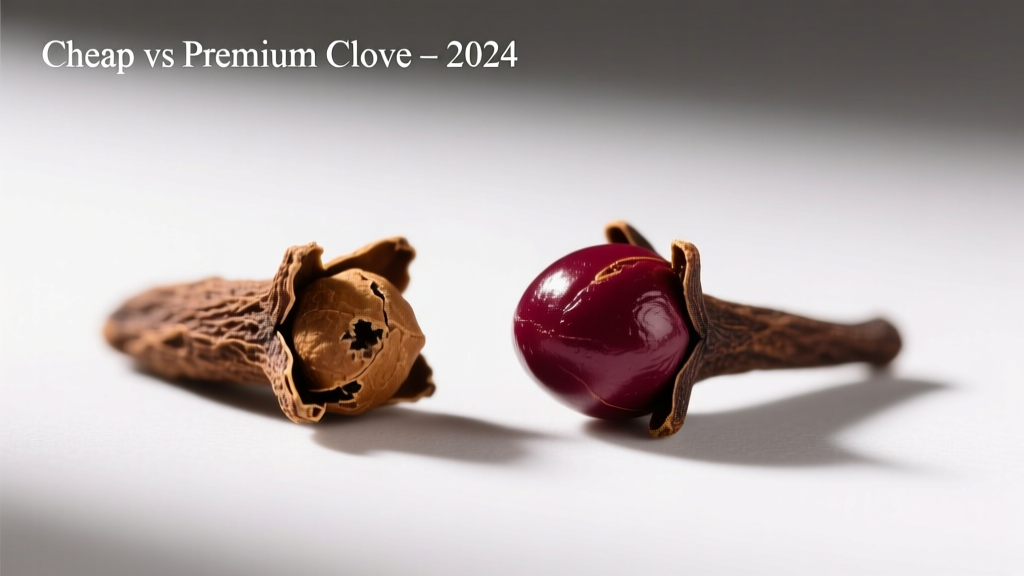 Cheap vs Premium Clove: What You’re Really Paying For — A Spice Expert’s Deep-Dive Analysis
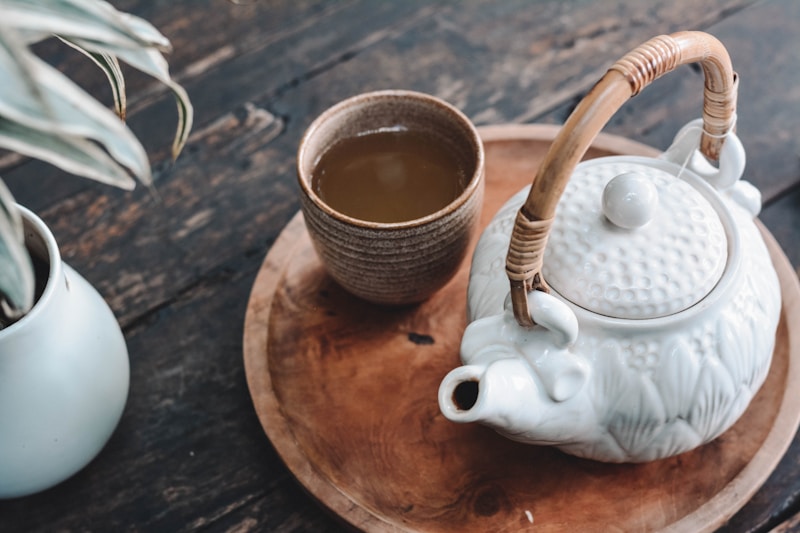 Masala Chai Spice Blend: The 5 Essential Spices and Regional Variations
 Foolproof Buying Guide: How to Choose, Store, and Verify Authentic Spices Like a Global Spice Traditions Expert
 Turkish Spice Bazaar: A Buyer's Guide (2026)
 Cheap vs Premium Cook: What the Price Tag Really Reveals About Flavor, Safety, and Performance
 How To Clean Cinnamon: A Practical, Science-Backed Guide for Home Cooks and Professional Kitchens
 Thai Curry Paste Anatomy: The 12 Spices Behind Green, Red, and Yellow
 Achiote Paste: The Ancient Yucatán Spice That Colors Everything Red
 Mexican Spice Blends: Adobo, Mole & Recado Explained