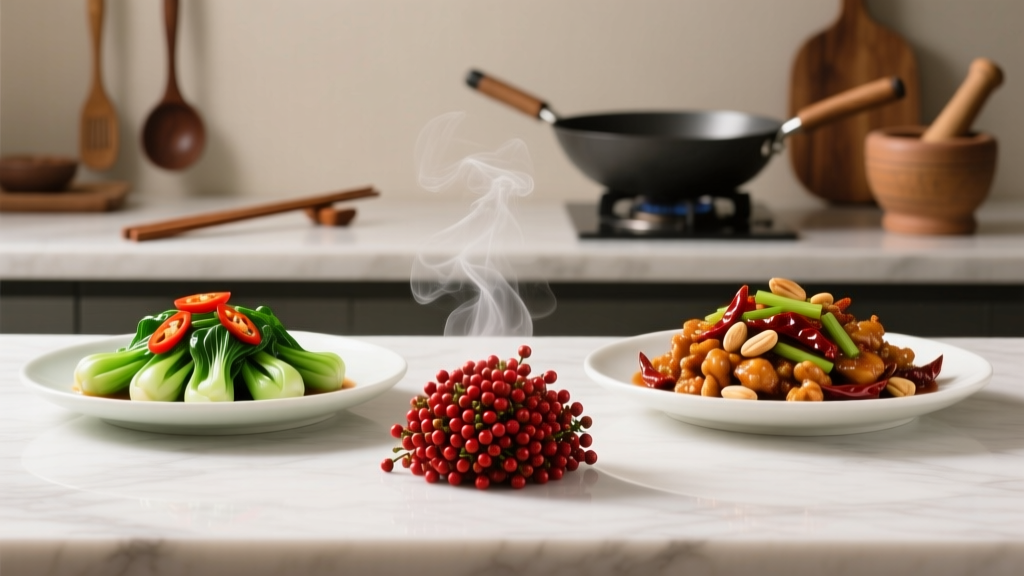
Hunan vs Szechuan vs Kung Pao: Heat & Authentic Recipes
Why These Chinese Cooking Styles Confuse Even Seasoned Foodies
Ordering takeout? You've likely stared at menus wondering: Is Kung Pao its own cuisine? Why does "Szechuan" sometimes taste completely different from "Hunan"? This confusion stems from Westernized adaptations blurring authentic regional distinctions. After 20 years documenting Chinese culinary traditions, I've seen how menu inaccuracies lead to mismatched expectations—like requesting "mild Szechuan" (impossible by design) or mistaking Kung Pao for a standalone style. Let's clarify what chefs in China's Hunan and Sichuan provinces actually cook.
| Characteristic | Hunan | Szechuan | Kung Pao |
|---|---|---|---|
| Origin | Hunan Province | Sichuan Province | Szechuan dish (Peng County) |
| Heat Profile | Direct, fresh chili burn | Numbing "ma la" (Sichuan peppercorns) | Spicy-savory with peanut crunch |
| Signature Ingredients | Fresh red chilies, black vinegar, garlic | Dried chilies, Sichuan peppercorns, doubanjiang | Dried chilies, peanuts, soy-vinegar sauce |
| Flavor Balance | Hot + sour dominant | Numbing + spicy + umami | Spicy-savory + subtle sweetness |
| Authentic Example | Steamed Fish Head with Chopped Chili | Mapo Tofu | Kung Pao Chicken |
Decoding Each Style: What Chefs Actually Use
Hunan: The Uncompromising Heat
Hunan cooking (Xiang cuisine) weaponizes fresh red chilies—often locally grown Bird's Eye varieties—to deliver immediate, face-flushing heat. As Serious Eats explains, it uniquely balances this with fermented black vinegar for sharp sourness, creating a "hot-sour" profile absent in Szechuan. Think: steamed fish head smothered in minced chilies, or stir-fried pork with pickled long beans.
Szechuan: The Numbing Symphony
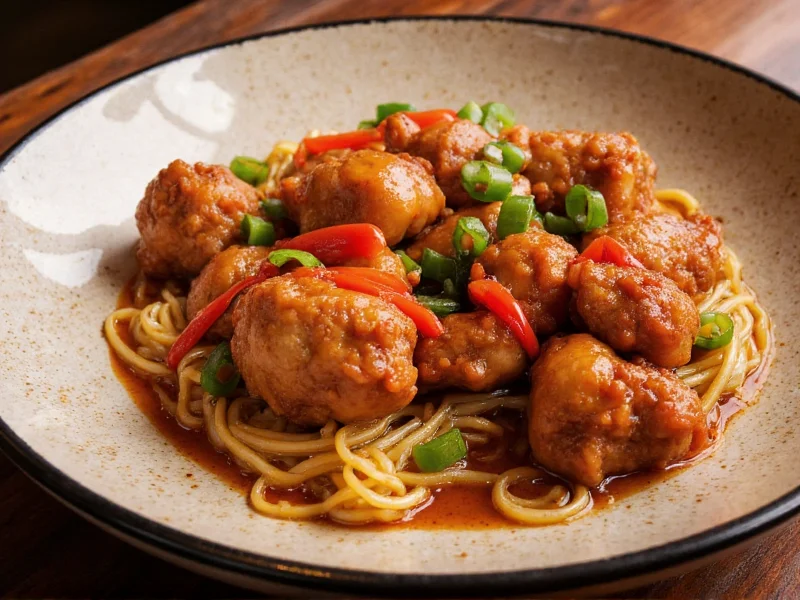
Szechuan (Chuan cuisine) relies on the "ma la" sensation—Sichuan peppercorns' electric buzz combined with dried chili heat. Per Bon Appétit, this creates a layered experience where numbing precedes burning. Signature doubanjiang (fermented bean paste) adds deep umami. Authentic dishes like Mapo Tofu use both peppercorns and chilies—never one without the other.
Kung Pao: The Szechuan Dish Misunderstood as a Style
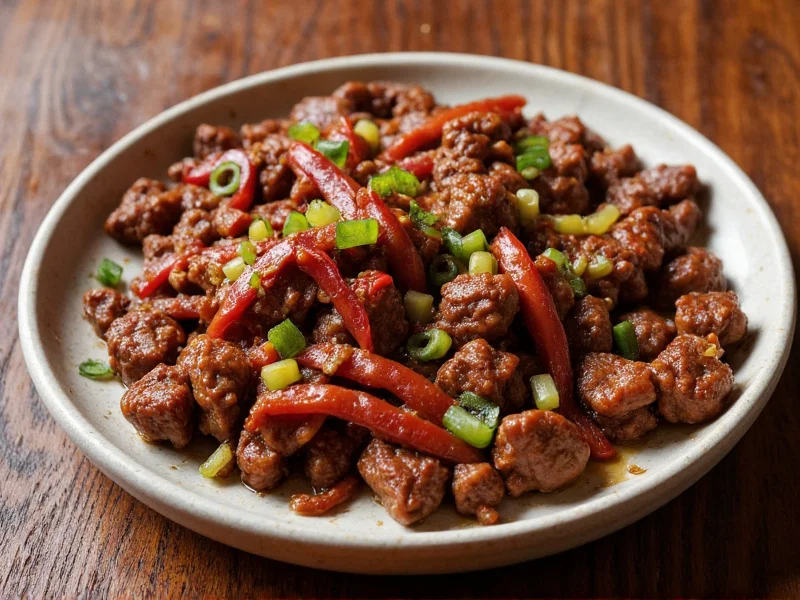
Here's the critical clarification: Kung Pao is not a regional cuisine. As Food Network confirms, it's a specific Szechuan dish (Gong Bao Ji Ding) originating in Sichuan's Peng County. Its hallmarks are diced chicken, fried peanuts, dried chilies, and a tangy soy-vinegar sauce. Western versions often oversweeten it—but authentic versions prioritize savory-spicy balance with minimal sugar.
When to Choose (and Avoid) Each Style
Use Hunan When...
- You want immediate, clean heat without numbing
- Dishes need sour counterbalance (e.g., fatty meats)
- Cooking with fresh produce (common in Hunan home kitchens)
Avoid If...
You dislike sour notes or need mild spice. Hunan rarely has "medium" heat—it's intentionally fiery.
Use Szechuan When...
- You seek complex "ma la" depth (numbing + heat)
- Dishes benefit from fermented umami (doubanjiang)
- Serving tofu, offal, or lean meats
Avoid If...
You have peppercorn sensitivity (common in Western palates) or need quick weeknight cooking—authentic Szechuan requires precise chili/peppercorn ratios.
Use Kung Pao When...
- You want crunchy texture (peanuts)
- Need approachable Szechuan entry point
- Cooking for mixed spice tolerances (adjust chili count)
Avoid If...
You expect regional cuisine depth—it's one dish, not a cooking system. Also avoid if allergic to peanuts.
Top 3 Misconceptions Chefs Want You to Stop Believing
- "Kung Pao is a regional style" – It's exclusively a Szechuan dish. No Chinese province cooks "Kung Pao cuisine."
- "Szechuan always means extra spicy" – Authentic Szechuan balances numbing and heat; many dishes (like Yu Xiang pork) are moderate. The heat level depends on peppercorn-to-chili ratios.
- "Hunan and Szechuan are interchangeable" – Hunan's fresh chili burn lacks Szechuan's peppercorn buzz. Substituting one for the other creates fundamentally different dishes.
Spotting Authentic Versions: Market Trap Alerts
- Hunan red flags: Bottled "Hunan sauce" with sugar or hoisin. Authentic versions use fresh chilies and black vinegar only.
- Szechuan red flags: "Szechuan" dishes without visible peppercorns. If you don't feel slight lip tingling, it's inauthentic.
- Kung Pao red flags: Oversweet sauces or cashews (peanuts are traditional). Check ingredient lists for corn syrup.
Everything You Need to Know
Kung Pao Chicken originated in Sichuan Province, China. While Western versions often add sugar and reduce heat, the core technique (wok-fried chicken with dried chilies and peanuts) remains authentic. True Kung Pao uses Sichuan peppercorns—a detail many US restaurants omit.
Hunan delivers more immediate, intense heat from fresh chilies, while Szechuan's heat is tempered by numbing peppercorns. Scientifically, Hunan dishes often register higher on Scoville scales—but Szechuan feels hotter due to the peppercorns' sensory amplification. As Serious Eats notes, "Hunan doesn't play games with its heat."
No true substitute exists for Sichuan peppercorns' unique "ma" (numbing) effect. Black peppercorns add heat but no buzz. Some chefs use a pinch of sansho pepper (Japanese) for approximation, but it alters the flavor profile. For authentic Szechuan, source real Huājiāo peppercorns—they're essential to the cuisine's identity.
Hunan cuisine relies on fermented black vinegar (cù) for its signature sourness—a contrast to Szechuan's focus on numbing spice. This balances the intense chili heat and cuts through rich ingredients. Authentic Hunan vinegar (like Zhenjiang) contains no sugar, unlike Western "Chinese black vinegar" substitutes.
More Articles
 Shichimi Togarashi: Japan's 7-Spice Blend
 Authentic Garam Masala Recipe: Toast, Grind & Blend at Home
 Berbere Spice: Ethiopia's Fiery Legacy from the Axum Empire to Modern Kitchens
 Cheese Kitchen Tips Essentials: Practical Wisdom for Storing, Serving, and Cooking with Cheese
 The Best Time Explained: When to Harvest, Toast, Grind, and Use Spices for Maximum Flavor and Potency
 Cumin Common Mistakes: Why Your Chili, Curry, and Roasts Fall Flat (And How to Fix Them)
 The Essential Spice & Technique Framework for Perfect Potatoes
 Mexican Spice Blends: Adobo, Mole & Recado Explained
 Practical DIY Safety Ideas for Home, Kitchen, and Workshop: Evidence-Based Solutions You Can Build Today
 Za'atar Through the Ages: How a Levantine Herb Blend Conquered Global Kitchens