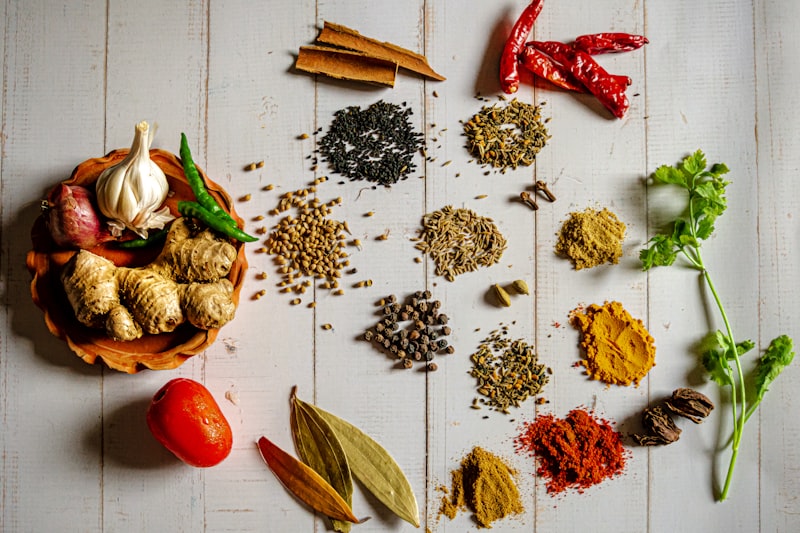
Medieval Spice Blends: How European Cooking Lost Its Flavor
The Myth of Masking Rotten Meat
One of the most persistent food myths is that medieval Europeans used heavy spices to mask the taste of spoiled meat. This is entirely false. Spices in medieval Europe were extraordinarily expensive — a pound of saffron cost as much as a horse, and pepper was worth its weight in gold. Only the wealthy could afford them, and they certainly weren't eating rotten meat.
Why Medieval Food Was So Spiced
Heavy spice use in medieval European cooking was about status, not preservation. Serving heavily spiced dishes signaled wealth and sophistication. The upper classes also believed spices had medicinal properties based on the humoral theory of medicine — spices were "hot and dry" and could balance "cold and wet" foods like fish and beef.
Key Medieval Spice Blends
- Douce épice (sweet spice): Cinnamon, ginger, cloves, nutmeg, and sugar — used in both sweet and savory dishes
- Fort épice (strong spice): Black pepper, long pepper, grains of paradise, and ginger — for hearty meats
- Cameline sauce: Cinnamon, breadcrumbs, vinegar, and ginger — the most popular sauce of the era
The Decline of European Spice Use
By the 17th century, European taste shifted dramatically. The rise of French haute cuisine, led by chefs like La Varenne, rejected heavy spice use in favor of "natural" flavors — butter, herbs, and reduced stocks. This was partly a reaction against medieval excess and partly driven by new vegetables from the Americas (tomatoes, potatoes, peppers) that provided flavor without imported spices.
Reviving Medieval Spice Traditions
Modern cooks can explore medieval European spicing by adding cinnamon and ginger to meat stews, using saffron in rice dishes, and experimenting with the sweet-sour-spicy flavor profiles that defined the era's cuisine. These combinations may seem unusual today, but they represent a rich culinary tradition that's worth rediscovering.
More Articles
 Berbere Spice: Ethiopia's Fiery Legacy from the Axum Empire to Modern Kitchens
 Ras el Hanout vs Garam Masala: North African vs South Asian Blends Compared
 Berbere Spice: Ethiopia's Fiery Blend
 Best Substitutes for Common Spices: Science-Backed Swaps That Preserve Flavor and Function
 Mexican Mole Sauce: The 20+ Spices Behind This Complex Dish
 Masala Chai Spice Blend: The 5 Essential Spices and Regional Variations
 Authentic Garam Masala Recipe: Toast, Grind & Blend at Home
 Hunan vs Szechuan vs Kung Pao: Heat & Authentic Recipes
 Cheese Kitchen Tips Essentials: Practical Wisdom for Storing, Serving, and Cooking with Cheese
 Achiote Paste: The Ancient Yucatán Spice That Colors Everything Red