Chinese five spice powder (五香粉, wǔ xiāng fěn) isn't just a seasoning — it's an edible expression of traditional Chinese philosophy. Each of its five components represents one of the five fundamental flavors and connects to traditional Chinese medicine's (TCM) theory of organ balance.
## The Five Flavors Theory
In TCM, the five flavors — sweet, sour, bitter, pungent, and salty — each correspond to specific organ systems:
| Flavor | Element | Organ | Effect |
|--------|---------|-------|--------|
| Pungent (辛) | Metal | Lungs | Disperses, moves qi |
| Sweet (甘) | Earth | Spleen | Tonifies, harmonizes |
| Bitter (苦) | Fire | Heart | Dries, descends |
| Sour (酸) | Wood | Liver | Astringes, contains |
| Salty (咸) | Water | Kidneys | Softens, drains |
A balanced meal should engage all five flavors to support all organ systems.
## Five Spice Ingredients and Their TCM Roles
### Star Anise (八角) — Sweet
Tonifies the spleen and stomach. Warming nature helps dispel cold. In TCM, star anise is used for cold-type digestive complaints and abdominal pain.
### Cloves (丁香) — Pungent
Warms the middle burner (digestive system), directs rebellious qi downward (anti-nausea). One of the strongest warming spices in the TCM pharmacopoeia.
### Chinese Cinnamon (肉桂, Cassia) — Sweet/Pungent
Warms the kidneys, assists yang fire, promotes blood circulation. Cassia bark is thicker and more pungent than Sri Lankan cinnamon — it's specifically the medicinal variety.
### Sichuan Pepper (花椒) — Pungent/Numbing
Warms the middle, kills parasites (historical use), numbs pain. The unique 'ma' sensation is classified as a separate category in Chinese sensory theory.
### Fennel Seeds (小茴香) — Sweet/Pungent
Warms the kidneys and liver, disperses cold, regulates qi. Used specifically for lower abdominal cold pain.
## Culinary Application Philosophy
In Chinese cooking, five spice is never used in isolation. It's combined with soy sauce (salty), vinegar (sour), sugar (sweet), and fermented bean paste (bitter) to create complete flavor profiles.
### Red Braised Pork (红烧肉)
Pork belly braised with five spice, soy sauce, rock sugar, Shaoxing wine, and star anise. Every element of the five-flavor theory is present.
### Char Siu (叉烧)
Cantonese BBQ pork marinated in five spice, hoisin sauce, honey, soy sauce, and fermented red bean curd. The charred exterior adds bitter notes.
### Lu Wei (卤味)
Master stock braising liquid contains five spice plus dozens of additional aromatics. The stock is maintained for years, gaining complexity with each use.
## Modern Health Research
Recent studies have validated some TCM claims: star anise contains shikimic acid (precursor to Tamiflu), cloves contain eugenol (antimicrobial), and cinnamon improves insulin sensitivity. The blend's digestive benefits likely come from the carminative properties shared by most warm spices.
 Ras el Hanout: Inside Morocco's Most Complex Spice Blend (Up to 30 Ingredients)
 Spices Kitchen Tips Essentials: Practical Wisdom for Better Flavor, Longer Shelf Life, and Smarter Cooking
 Blend Kitchen Tips Essentials: Practical Wisdom for Consistent, Flavor-Powered Spice Blending
 Jerk Spice: Jamaica's Allspice-Scotch Bonnet Marinade Explained
 Ras el Hanout vs Garam Masala: North African vs South Asian Blends Compared
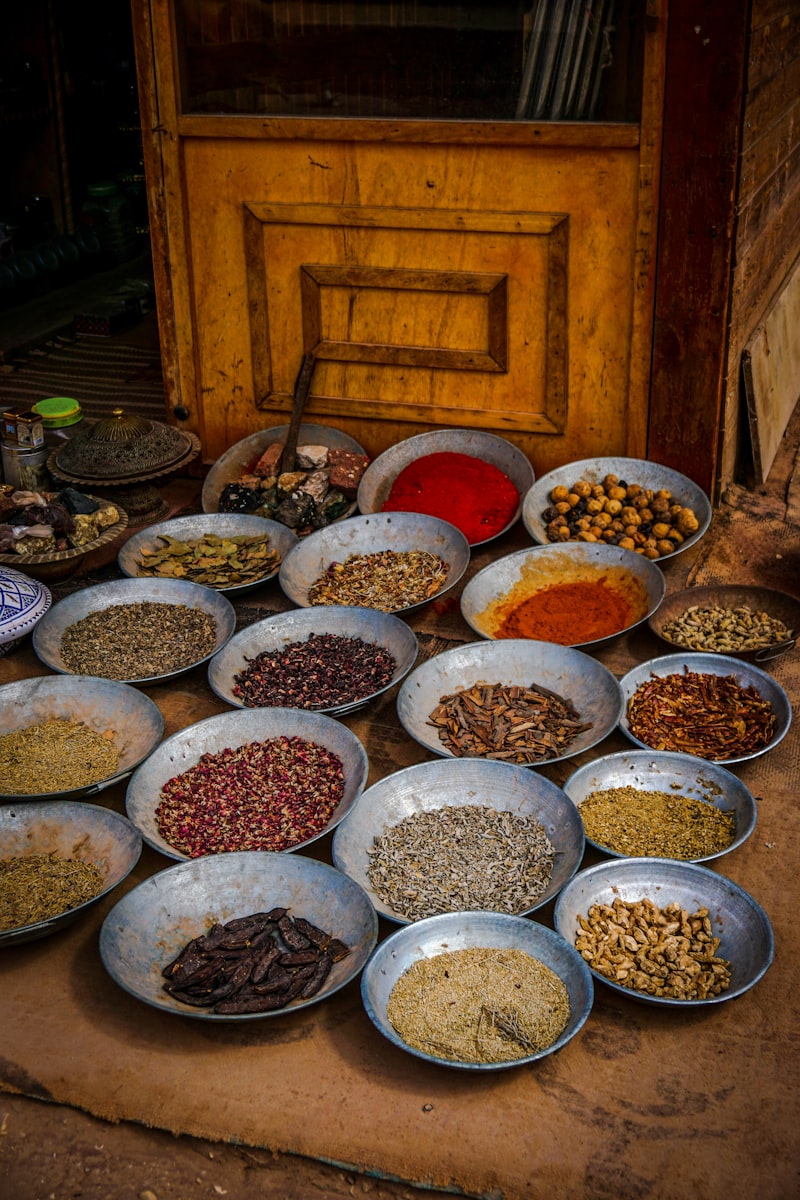 Mexican Spice Blends: Adobo, Mole & Recado Explained
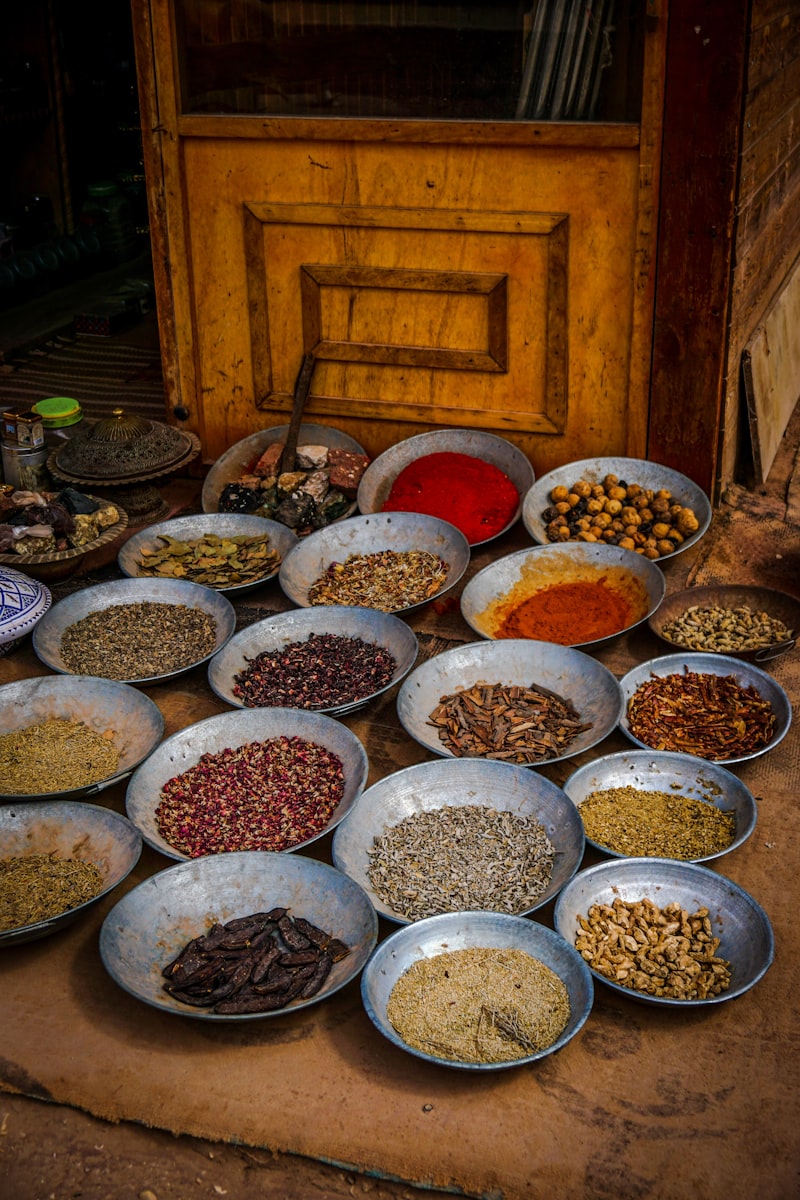 Chinese Five Spice: The Ancient Blend Rooted in Philosophy
 Best Spice Storage & Usage Hacks for Culinary Precision and Longevity
 Best Global Spice Traditions for Actually Cooking—Not Just Collecting
 Turmeric vs. EXACT: Clarifying the Confusion Between a Spice and a Brand