Za'atar is simultaneously an herb, a spice blend, and a cultural identity marker for millions across the Levant. This deceptively simple mix of wild thyme, sumac, sesame seeds, and salt has sustained communities for thousands of years — and in the last decade, it's become one of the most popular spice blends in Western kitchens.
## What Is Za'atar?
First, clarify the terminology confusion:
- **Za'atar the herb**: Origanum syriacum (Syrian oregano/bible hyssop), a wild thyme relative
- **Za'atar the blend**: The herb mixed with sumac, toasted sesame seeds, and salt
- **Za'atar the concept**: A broader category of herb-spice mixes that varies by region and family
## Ancient Roots
Archaeological evidence suggests za'atar (or its component herbs) was used in ancient Egypt — traces of thyme were found in Tutankhamun's tomb. The herb appears in biblical texts (possibly as 'ezov'/hyssop) and was used by ancient Greeks and Romans both culinarily and medicinally.
In medieval Arab medicine, za'atar was prescribed for everything from digestive ailments to memory enhancement. A common saying among Levantine mothers: 'Eat za'atar so you'll be smart.'
## Regional Variations
### Palestinian
Heavy on sumac (tangy, crimson), moderate thyme, generous sesame. Often includes dried orange peel.
### Lebanese
More thyme-forward, lighter on sumac. Sometimes includes marjoram and savory alongside the primary oregano.
### Syrian (Aleppo)
Adds cumin and coriander, darker in color. Aleppine za'atar is considered by many to be the most complex.
### Jordanian
Thickest blend, almost paste-like when mixed with olive oil. Heavy sesame, moderate sumac.
### Israeli (commercial)
Often uses regular thyme instead of wild za'atar herb. More standardized, less sumac. This is what most Western supermarkets stock.
## Traditional Consumption
The classic way to eat za'atar hasn't changed in centuries:
1. Tear a piece of fresh pita bread
2. Dip in good olive oil
3. Dip in za'atar
4. Eat for breakfast
This 'za'atar wu zeit' (za'atar and oil) is the Levantine equivalent of buttered toast — simple, satisfying, and deeply nostalgic.
## Why Za'atar Went Global
Several factors converged:
- **Ottolenghi effect**: The Israeli-British chef's cookbooks featured za'atar prominently
- **Health halo**: High in antioxidants (thymol, carvacrol from the herbs)
- **Versatility**: Works on everything from eggs to roasted vegetables to pizza
- **Instagram aesthetics**: The green-red-tan speckled blend photographs beautifully
## Buying Authentic Za'atar
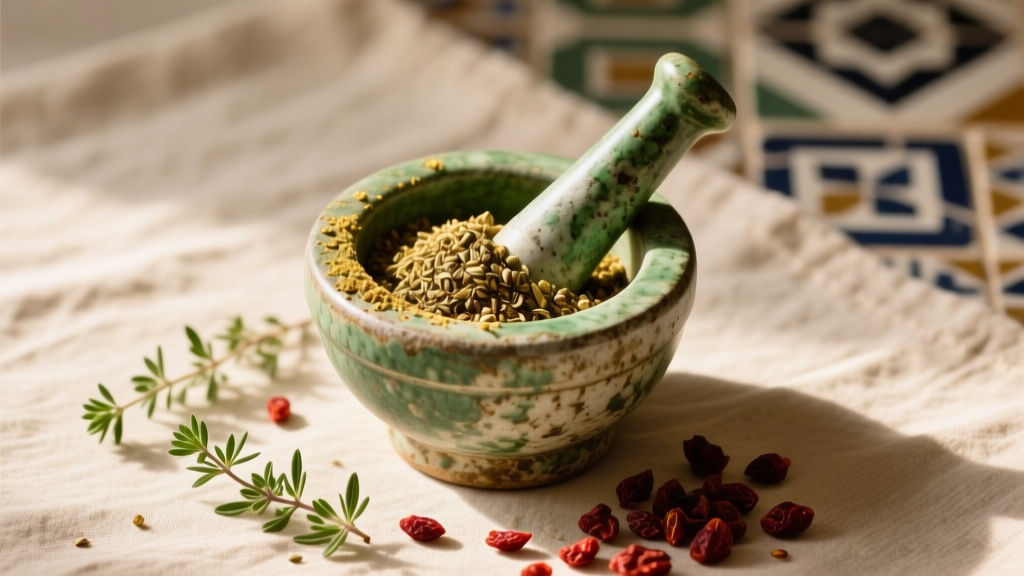
Look for blends where the herb is visibly green (not brown/gray), sumac provides a visible red hue, and sesame seeds are whole and golden. Avoid pre-mixed blends where the ingredients list starts with 'wheat flour' — a common filler in cheap commercial versions.
 Chicken vs SMART: Decoding the Global Spice Standard for Authentic Poultry Flavor
 Vadouvan: The French-Indian Curry Blend You Need to Try
 Seed and Essential: Understanding the Fundamental Differences Between Whole Spices and Their Concentrated Oils
 How To Organize Real Spice Collections: A Practical, Science-Backed System for Home Cooks and Professionals
 Spices Kitchen Tips Essentials: Practical Wisdom for Better Flavor, Longer Shelf Life, and Smarter Cooking
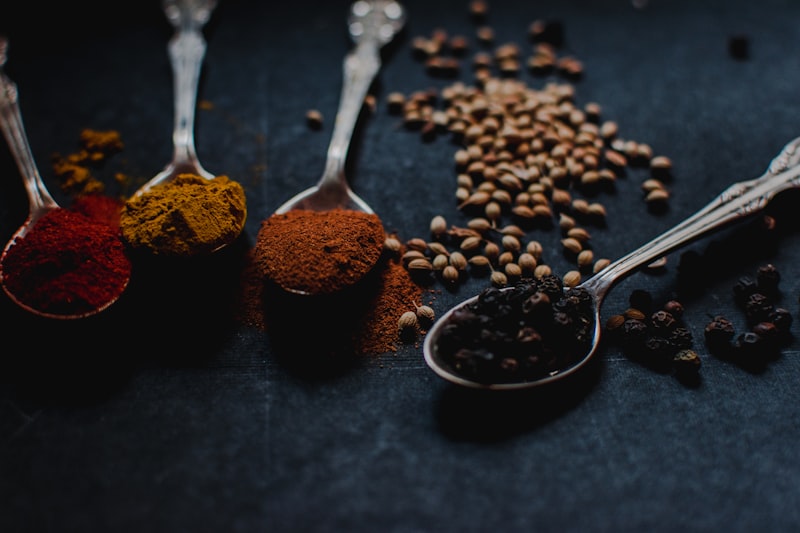 Za'atar Across the Middle East: One Name, Dozen Recipes
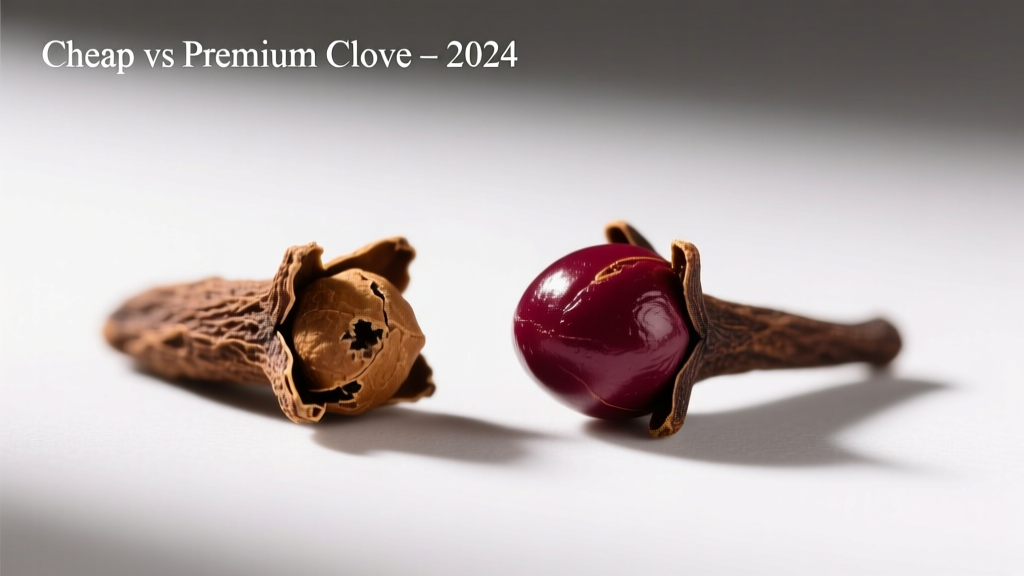 Cheap vs Premium Clove: What You’re Really Paying For — A Spice Expert’s Deep-Dive Analysis
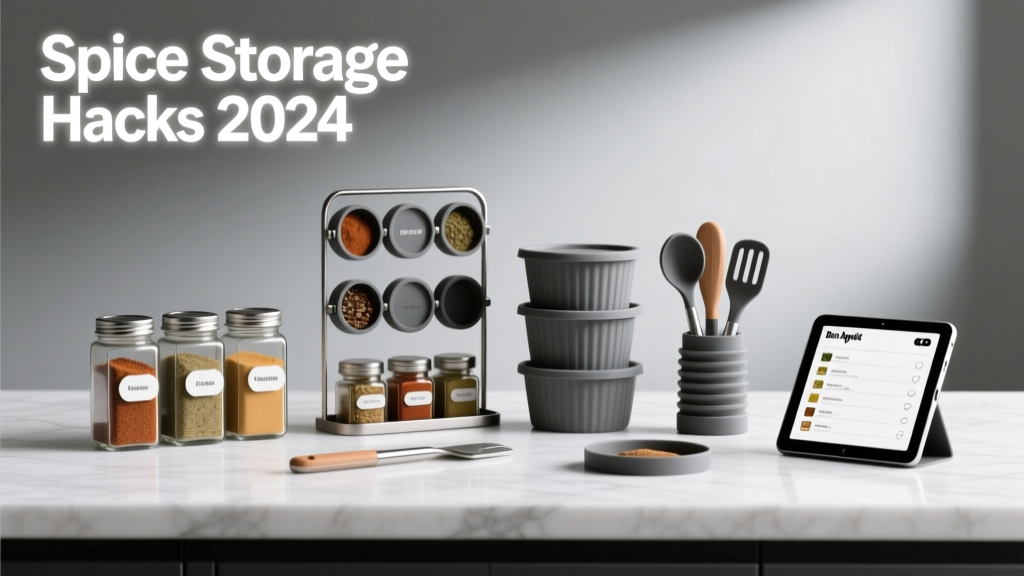 Spice Storage, Usage Hacks, Tools & Checklist: Preserve Flavor, Extend Shelf Life, and Cook Smarter
 Cream for Beginners: A Practical, Science-Backed Guide to Types, Uses, and Substitutions
 The Best Time Explained: When to Harvest, Toast, Grind, and Use Spices for Maximum Flavor and Potency