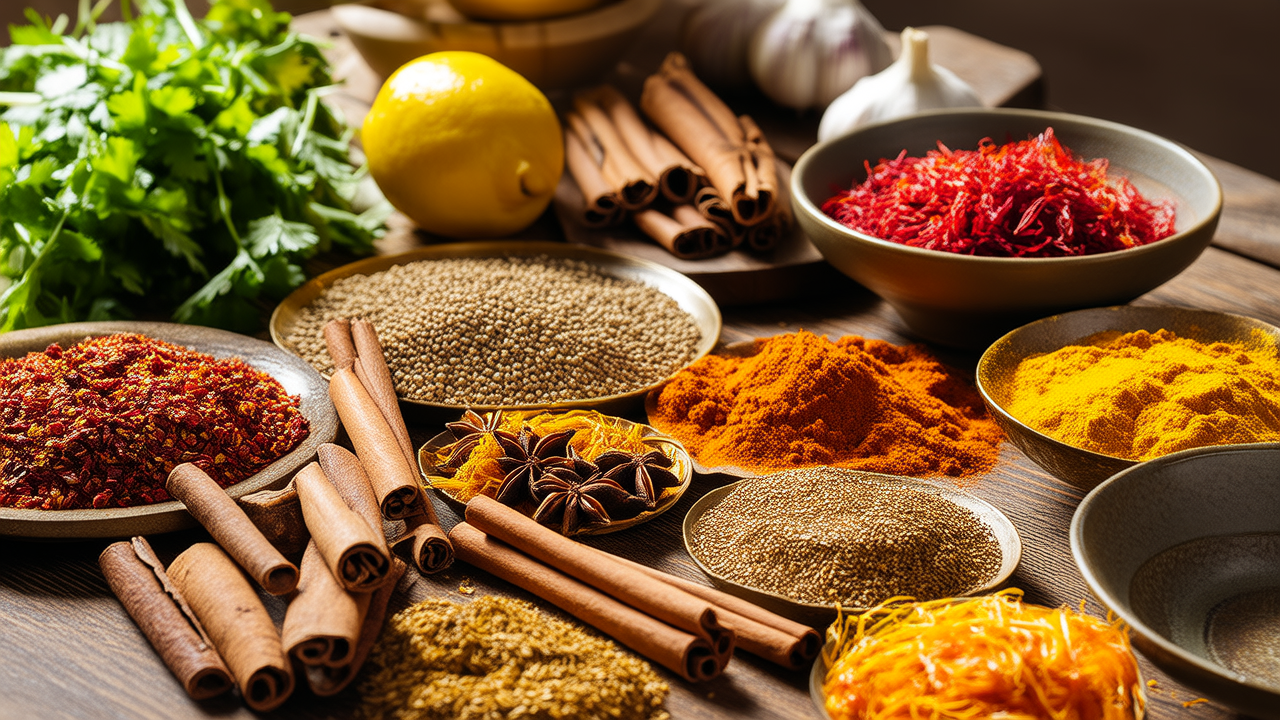
Curry Powders Around the World Compared
One Word, Many Meanings
'Curry powder' means different things in different kitchens. What sits on a British supermarket shelf bears little resemblance to a Tamil cook's fresh spice blend. Understanding these differences prevents culinary confusion.
British Curry Powder (Madras Style)
Turmeric-heavy (for yellow color), with coriander, cumin, fenugreek, and chili. Developed during the colonial era as a pre-mixed convenience product. Medium heat. Works in British-Indian restaurant dishes like chicken tikka masala.
Japanese Curry Powder (Kare)
Milder, sweeter, with more turmeric and added flour or starch as a thickener. Often includes apple powder and honey. Sold in block form (like S&B Vermont Curry). Used for kare raisu (curry rice) and katsu curry.
Thai Curry Pastes
Not dry powders but wet pastes: lemongrass, galangal, shrimp paste, chilies, garlic, and kaffir lime. Green, red, and Massaman each have distinct ingredient profiles. Made fresh or bought in jars.
Indian Spice Blends
Indians rarely use 'curry powder' — they have hundreds of specific blends: garam masala, sambar powder, rasam powder, panch phoron, each designed for particular dishes. Fresh-ground, highly regional.
When to Use Which
British powder: quick weeknight curry sauces. Japanese: comfort food curry rice. Thai pastes: authentic Thai curries. Indian blends: specific regional dishes requiring specific masalas.
More Articles
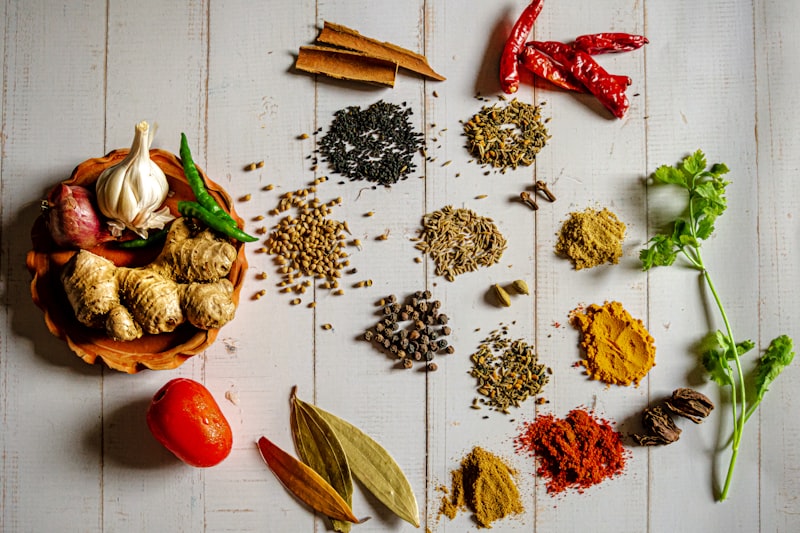 Medieval Spice Blends: How European Cooking Lost Its Flavor
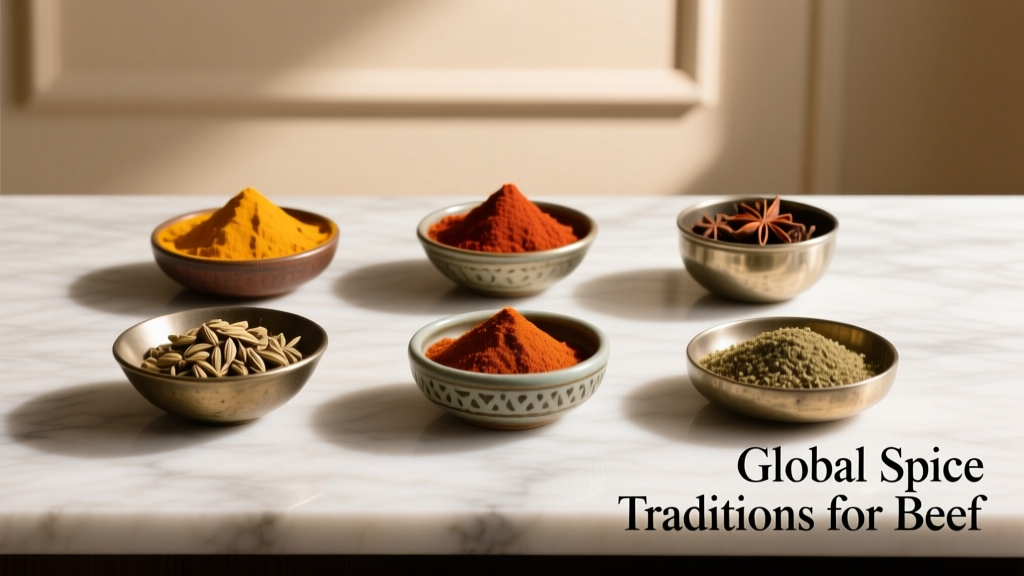 Best Spice Traditions for Beef: Blends and Techniques
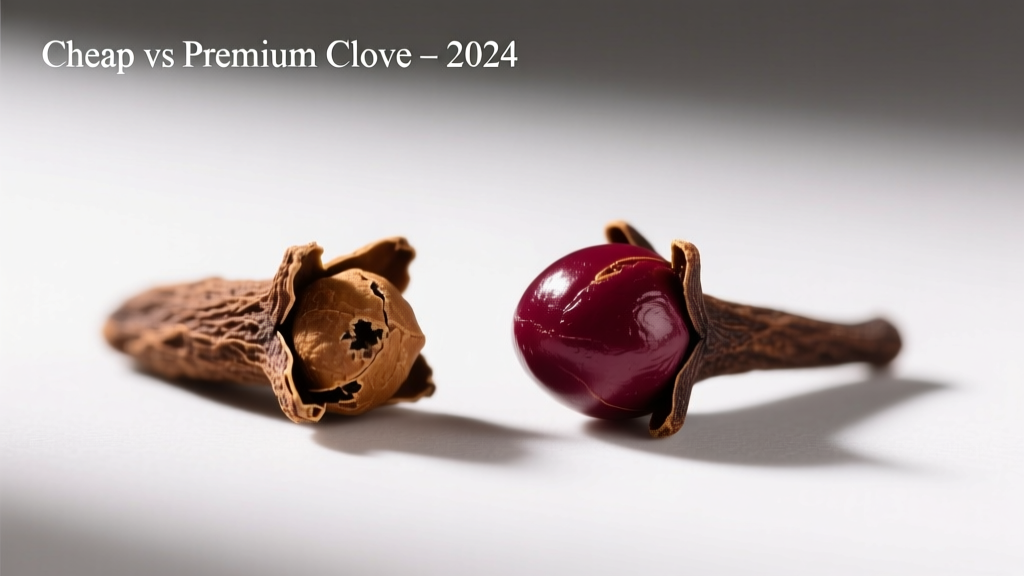 Cheap vs Premium Cloves: What You Are Paying For
 Heat & Method: Transform Spice Flavors
 Spice Traditions Quick Reference for Home Cooks
 Zaatar: Levantine Herb Blend Goes Global
 Japanese Furikake: Rice Seasoning Guide
 Whole Spices vs Essential Oils Explained
 Tadka Basics: Indian Spice Tempering
 Baharat: Middle Eastern All-Purpose Spice