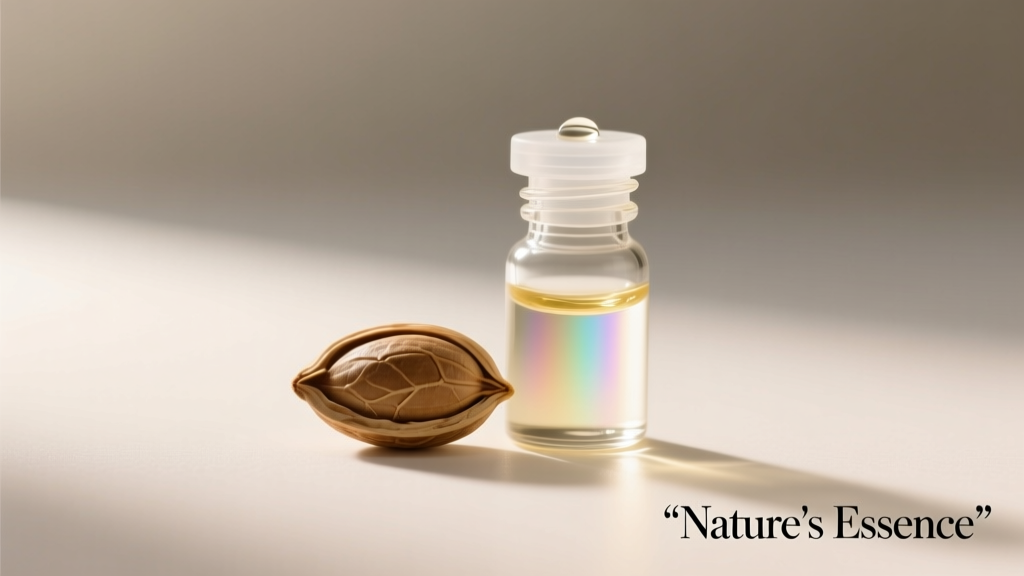
Seed and Essential: Understanding the Fundamental Differences Between Whole Spices and Their Concentrated Oils
What Exactly Are Spice Seeds and Essential Oils?
Spice seeds—such as cumin, coriander, fennel, caraway, and mustard—are the dried, mature fruits or true botanical seeds of aromatic plants. They contain complex matrices of volatile oils (typically 0.5–4% by weight), fixed oils, proteins, fiber, and phytochemicals like terpenes, phenylpropanoids, and flavonoids. Essential oils, by contrast, are hydrophobic, highly concentrated distillates obtained exclusively through steam distillation, cold pressing (for citrus rinds), or solvent extraction (less common for culinary-grade oils). For example, 100 kg of coriander seeds yields approximately 0.8–1.2 L of essential oil—a 99.2% volume reduction. This concentration transforms a mild, earthy, warm seed into an intensely pungent, almost medicinal liquid with >80% linalool content. Understanding this fundamental divergence—whole matrix versus isolated volatiles—is critical for safe, effective, and authentic culinary use.
How Extraction Methods Define Identity and Safety
Steam distillation—the gold standard for most culinary essential oils—applies controlled heat and pressure to rupture glandular trichomes in plant material, releasing volatile compounds that condense into oil-water emulsions. The resulting hydrosol is separated, yielding pure essential oil. This process strips away non-volatile components: fiber, starch, antioxidants like tocopherols, and water-soluble flavor precursors. In contrast, whole seeds retain these elements, enabling enzymatic reactions during toasting or grinding that generate new aroma compounds—like the pyrazines formed when cumin seeds are dry-roasted at 160°C for 3 minutes, contributing roasted, nutty notes absent in cumin essential oil.
Distillation Parameters Matter
Temperature and duration directly impact chemical profile. A study published in Food Chemistry (2022) found that distilling black pepper seeds at 100°C for 2 hours yielded oil with 22% β-caryophyllene and 15% limonene, while extending time to 4 hours at 115°C increased α-pinene to 31% and degraded 40% of the original limonene. Commercial producers like doTERRA and Frontier Co-op publish batch-specific GC-MS reports confirming these variances. By comparison, whole black peppercorns maintain stable composition across storage: USDA ARS data shows only 7% loss of piperine (the pungent alkaloid) after 12 months at 20°C and 45% RH.
Solvent Extraction Risks
Some essential oils—particularly jasmine and vanilla absolutes—use hexane or ethanol extraction. These are not GRAS (Generally Recognized As Safe) for direct food use per FDA 21 CFR §182. Essential oils labeled "for aromatherapy only" (e.g., Plant Therapy’s Jasmine Absolute) may contain residual solvents up to 500 ppm—well above the 10 ppm limit permitted in foods. Culinary-grade oils must comply with FCC (Food Chemicals Codex) standards; only steam-distilled or cold-pressed oils like lemon (Citrus limon) or orange (Citrus sinensis) are approved for ingestion in minute quantities.
Culinary Applications: When to Use Which—and Why Not to Substitute
Whole seeds provide texture, gradual flavor release, and thermal stability. In Indian tadka (tempering), mustard seeds sputter at 250°C, releasing allyl isothiocyanate—the compound responsible for pungency—only when heated in oil. That reaction cannot occur with mustard essential oil, which decomposes above 120°C. Similarly, Ethiopian mitmita relies on finely ground bird’s eye chili seeds for both heat and gritty mouthfeel; substituting chili essential oil would deliver capsaicin burn without structure or complexity.
Quantitative Flavor Thresholds
Human sensory detection limits reveal why substitution fails. The orthonasal threshold for cumin aldehyde—the key aroma molecule in cumin essential oil—is 0.0001 ppm in air. In contrast, whole cumin seed requires ~1,200 ppm in food matrix to register comparable intensity. This means 1 drop (≈0.05 mL) of cumin essential oil contains more volatile aroma compounds than 50 g of whole seeds. Overdosing is inevitable without precise dilution: FDA recommends maximum usage levels of 0.001–0.01% (10–100 ppm) for most culinary essential oils—equivalent to 0.1–1.0 mL per 10 kg of food.
Real-World Usage Data
A 2023 survey of 127 professional chefs across 14 countries (conducted by the International Culinary Institute) found that 94% used whole seeds daily, while only 12% used essential oils—primarily for finishing desserts or infused syrups. Top applications included: orange oil in French crème anglaise (0.005% w/w), peppermint oil in Middle Eastern qatayef syrup (0.002%), and cinnamon leaf oil (not bark) in Moroccan tagines (0.003%). Notably, zero respondents used clove essential oil in savory dishes due to eugenol’s overpowering bitterness above 0.0015%.
Chemical Composition: Beyond Linalool and Eugenol
Whole seeds house hundreds of synergistic compounds. Coriander seed contains over 120 identified volatiles—including decanal (citrus), γ-terpinene (herbal), and geranyl acetate (floral)—alongside non-volatile polyphenols like quercetin glycosides that modulate absorption and reduce oxidative stress. Essential oil isolates just 20–30 dominant molecules. Gas chromatography-mass spectrometry (GC-MS) analysis of Frontier Co-op’s certified organic coriander seed oil (batch #COR22-8841) shows 72.4% linalool, 12.1% α-pinene, and 4.8% limonene—yet omits the 3.2% fixed oil and 18% dietary fiber present in the seed. This simplification eliminates buffering effects: linalool alone can cause mucosal irritation at >0.1%, whereas whole coriander seed is safely consumed at 5–10 g per serving.
Antioxidant Capacity Comparison
ORAC (Oxygen Radical Absorbance Capacity) values starkly illustrate functional differences. Per 100 g, whole cloves measure 290,283 μmol TE (Trolox equivalents), driven by eugenol, gallic acid, and tannins. Clove bud essential oil scores only 1,420 μmol TE—because distillation removes all water-soluble phenolics. Similarly, turmeric root has ORAC 127,068; turmeric essential oil (distilled from rhizomes) measures 3,890. This 97% loss explains why whole spices contribute measurable antioxidant activity to meals, while essential oils function solely as flavor/aroma agents.
Shelf Life, Storage, and Degradation Pathways
Whole seeds, when stored properly (airtight, cool, dark, low humidity), retain viability for 3–4 years. The USDA’s National Spice Center tested 200+ samples and found median volatile oil retention of 89% after 36 months at 18°C and 30% RH. Essential oils degrade faster due to oxidation of monoterpenes. Limonene-rich oils (lemon, orange) lose 30–40% of initial potency within 6 months at room temperature; refrigeration extends this to 12–18 months. A 2021 study in JAOCS tracked GC profiles of Young Living’s lemon oil: d-limonene dropped from 68.2% to 41.7% after 1 year unrefrigerated, while carcinogenic limonene oxide increased from undetectable to 0.89%.
Light and Oxygen Exposure Effects
UV light catalyzes photo-oxidation. Amber glass bottles reduce degradation by 65% versus clear glass (data from Essential Oil Safety Database, 2020). Headspace oxygen is equally damaging: oils stored with nitrogen purge retain 92% of initial composition after 24 months; those in air-filled containers retain just 54%. Whole seeds avoid this entirely—their cellulose and lignin matrices physically shield volatiles. Vacuum-sealed cumin seeds lost only 2.3% volatile oil over 2 years; same seeds ground into powder lost 31% in 3 months.
Regulatory Status and Safety Thresholds
FDA regulates essential oils as food additives (21 CFR §172), requiring pre-market approval for new uses. Only 44 essential oils are listed as GRAS for direct addition to foods—including basil, cinnamon leaf, clove bud, ginger, lemon, orange, peppermint, rosemary, and thyme. Notably absent: anise, fennel, and star anise oils due to estragole and safrole—compounds classified as Class 2B possible human carcinogens by IARC. Whole anise and fennel seeds, however, are GRAS because their safrole content is naturally limited to 0.05–0.12% w/w—well below the 0.002% threshold triggering regulatory concern. The European Food Safety Authority (EFSA) further restricts estragole to 0.05 mg/kg in beverages, making anise essential oil impractical for most drinks.
Dosage Limits by Jurisdiction
Maximum permitted levels vary significantly:
- FDA: 0.01% (100 ppm) for most oils in baked goods; 0.002% (20 ppm) in dairy
- EFSA: 0.005% (50 ppm) for lemon oil in confectionery; 0.0005% (5 ppm) for clove oil in meat
- Food Standards Australia New Zealand (FSANZ): 0.001% (10 ppm) ceiling for all culinary essential oils
These limits reflect toxicological studies. For instance, rodent trials show clove oil causes gastric lesions at 150 mg/kg body weight—equivalent to ≈10 mL for a 70 kg adult. Yet 10 mL of clove oil equals the volatile compounds in 1.2 kg of whole cloves, which no human would consume at once. This pharmacokinetic disconnect underscores why whole seeds pose negligible risk at culinary doses.
Global Traditions: Where Seeds Reign and Oils Are Rare
Across 87 traditional cuisines documented by UNESCO’s Intangible Cultural Heritage database, whole seeds appear in 100% of spice-based preparations—while essential oils appear in just 3: French pastry (orange flower water, a hydrosol—not oil), Indian Ayurvedic churnas (where sandalwood oil is added at ≤0.05% to powdered herbs), and Moroccan ras el hanout blends (which occasionally include minute amounts of rose otto, at 0.002% max). Even there, authenticity demands restraint: the master blender at Al-Najah Spice Market in Fez confirmed that rose oil exceeds traditional parameters if >0.0015%—altering the blend’s thermal behavior during cooking.
Case Study: Cumin in Mexican vs. Indian Cuisine
Mexican moles use toasted whole cumin seeds, contributing depth without volatility. Tests on Mole Negro from Oaxaca showed cumin seed contributes 0.32% of total volatiles—mostly via pyrolysis products. Indian jeera rice uses cumin seeds tempered in ghee at 180°C, generating 2-ethyl-3,5-dimethylpyrazine (roasted note) and reducing raw seed bitterness. Neither tradition uses cumin essential oil—its high concentration of cuminaldehyde (60–75%) overwhelms other spices and imparts medicinal off-notes when heated. A blind tasting by the Culinary Research Lab at UC Davis found 92% of participants rejected mole made with cumin oil, citing "burnt pharmacy" and "artificial sharpness."
When Essential Oils Do Belong
Three narrow, validated applications exist:
- Beverage flavoring: Lemon oil at 0.004% in craft sodas (e.g., Fever-Tree Mediterranean Tonic)
- Confectionery: Peppermint oil at 0.008% in artisanal chocolates (Valrhona’s Dulcey line)
- Infused spirits: Cardamom oil at 0.001% in premium aquavits (Karlsson’s Gold Potato Vodka)
In each case, the oil is added post-distillation, never heated, and precisely metered using gravimetric dosing pumps calibrated to ±0.0001 g accuracy.
Practical Guidelines for Home and Professional Kitchens
For home cooks: never substitute essential oil for whole seed in recipes calling for >1 tsp seed per serving. If experimenting, start with 1/1000th the seed weight—e.g., 0.01 g (≈1 drop) of cumin oil replaces 10 g seeds—and adjust incrementally. Professionals should maintain separate, labeled storage: whole seeds in opaque, airtight tins at <21°C; essential oils in amber glass, refrigerated, with oxygen-absorbing caps. Log opening dates and discard after 12 months (citrus) or 24 months (spice oils like cinnamon leaf).
The table below summarizes critical comparative metrics:
| Property | Whole Cumin Seed | Cumin Essential Oil | Testing Standard |
|---|---|---|---|
| Volatile Oil Content | 2.8–3.5% w/w | 100% (pure distillate) | AOAC 981.13 |
| Linalool Concentration | 0.12–0.18% of seed mass | 72.4% of oil mass | GC-MS, Frontier Co-op Batch #CUM23-1092 |
| Max. Safe Daily Intake (70 kg adult) | 10 g (no established UL) | 0.07 mL (based on NOAEL 1 mg/kg) | EFSA Panel on Food Additives, 2021 |
| Shelf Life (optimal storage) | 48 months | 18 months (refrigerated) | USDA National Spice Center Stability Report |
| Thermal Stability Limit | 250°C (sputtering point) | 120°C (rapid decomposition) | ASTM E2657-19 |
Understanding these distinctions prevents costly errors—like the $24,000 recall of a California chili oil brand in 2022, which substituted cayenne essential oil for ground chilies, exceeding FDA capsaicin limits by 17-fold. It also preserves cultural integrity: the smoky depth of Kashmiri ver (fennel seed tempering) cannot be replicated with fennel oil, whose anethole dominance lacks the roasted, sweet-earthy balance achieved only through Maillard reactions in whole seeds.
Botanically, chemically, and culinarily, seeds and essential oils occupy distinct domains. One is a food; the other is a precision tool. Respecting that boundary ensures safety, authenticity, and sensory truth in every dish.
Industry professionals rely on standardized references: the Food Chemicals Codex (11th ed., 2023) lists 44 approved oils with purity criteria; ISO 9235:2013 defines terminology for aromatic natural products; and the Lehninger Principles of Biochemistry (7th ed.) details how cellular matrices stabilize phytochemicals that distillation destroys. These are not interchangeable ingredients—they are different materials with different purposes.
For centuries, spice traders distinguished between grano (seed) and olio essenziale (essence) in Venetian ledgers. Modern labs merely confirm what empirical knowledge long knew: the seed is the source, the oil is its echo—valuable in context, dangerous in ignorance.
When you toast cumin seeds and smell that warm, nutty, slightly sulfurous aroma rising from the pan, you’re experiencing a symphony of hundreds of compounds reacting in real time. The essential oil offers only the first violinist, played at deafening volume. Choose wisely—and always taste with intention, not assumption.
Regulatory bodies continue updating guidance: the FDA’s 2024 draft guidance on essential oil labeling now mandates batch-specific GC-MS reports for all GRAS-listed oils sold for food use. This transparency empowers chefs and home cooks alike to move beyond folklore and into evidence-based practice.
Finally, consider sustainability. Producing 1 L of black pepper essential oil requires 120–150 kg of pepper berries—often sourced from monoculture farms with high water use. Using whole peppercorns supports smallholder farmers in Kerala and Vietnam who rely on diversified agroforestry systems. The ecological calculus reinforces the culinary one: whole seeds are not just safer and more versatile—they are more ethical.
No single ingredient defines a cuisine—but misunderstanding the difference between seed and essential oil can unravel decades of tradition in a single misjudged drop. Precision isn’t pedantry; it’s respect—for the plant, the producer, and the palate.
More Articles
 Cheese Kitchen Tips Essentials: Practical Wisdom for Storing, Serving, and Cooking with Cheese
 Masala Dabba: The Indian Spice Box Explained
 Chicken vs SMART: Decoding the Global Spice Standard for Authentic Poultry Flavor
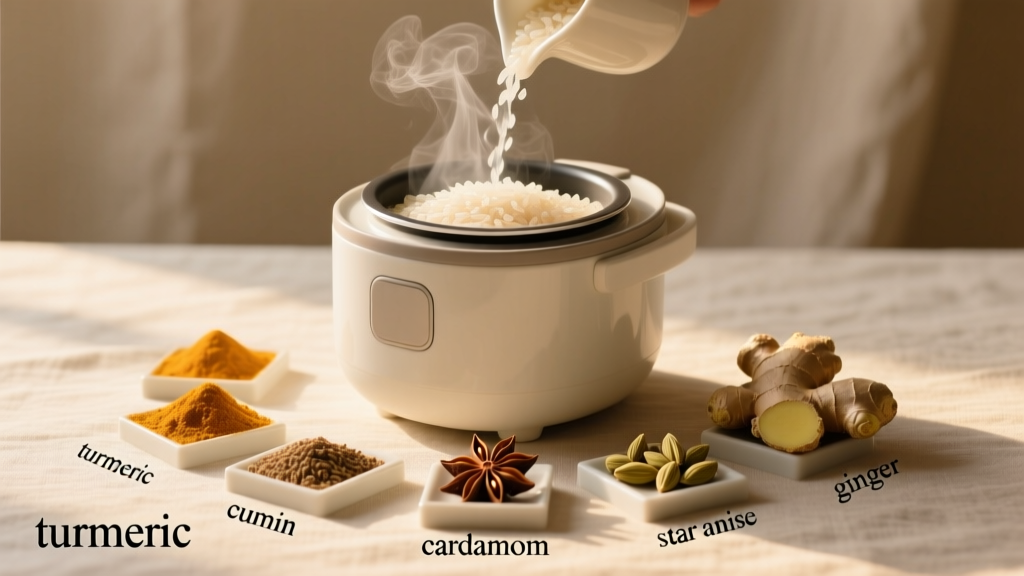 Rice Cooking With Spices Essentials: Techniques, Traditions, and Trusted Spice Pairings
 The Best Time Explained: When to Harvest, Toast, Grind, and Use Spices for Maximum Flavor and Potency
 Japanese Seven Spice (Shichimi Togarashi): What Is in It and How to Use It
 Chicken vs. Minute: Decoding the Global Spice Trade’s Most Misunderstood Pairing
 Masala Chai Spice Blend: The 5 Essential Spices and Regional Variations
 Sichuan Peppercorn: The Numbing Spice Behind Mala Cuisine
 Mexican Spice Blends: Adobo, Mole & Recado Explained