Cumin Seeds vs Ground Cumin: When to Use Each
Whole vs Ground: The Cumin Dilemma
Cumin is one of the most versatile spices in any kitchen, but choosing between whole seeds and ground powder can significantly impact your dish. Both forms offer distinct advantages depending on your cooking method and desired flavor profile.
Flavor Differences
Whole cumin seeds deliver a nutty, warm flavor with subtle citrus notes when toasted. Ground cumin provides immediate, concentrated earthiness that disperses quickly through dishes.
When to Use Whole Cumin Seeds
- Tempering in hot oil (tadka/chaunk)
- Slow-cooked stews and braises
- Rice dishes like biryani and pilaf
- Pickling and preserving
When to Use Ground Cumin
- Dry rubs and spice blends
- Quick-cooking sauces and dips
- Marinades with short soak times
- Soups where you want even distribution
Toasting Techniques
Dry-toast whole cumin seeds in a skillet over medium heat for 1-2 minutes until fragrant and slightly darker. For ground cumin, add it early in the cooking process with other dry spices to bloom in oil.
Conversion Guide
As a general rule, 1 teaspoon of whole cumin seeds equals about 3/4 teaspoon of ground cumin. Grind toasted seeds in a mortar or spice grinder for the freshest ground cumin.
More Articles
 The Best Creamy Uses for Everyday Cooking: From Pantry Staples to Gourmet Finishes
 Chef Guide to Spice Substitutions That Work
Preserving Family Spice Traditions
 How To Match Basics With Backed
 12 DIY Onion Ideas: Crispy Toppings to Ferments
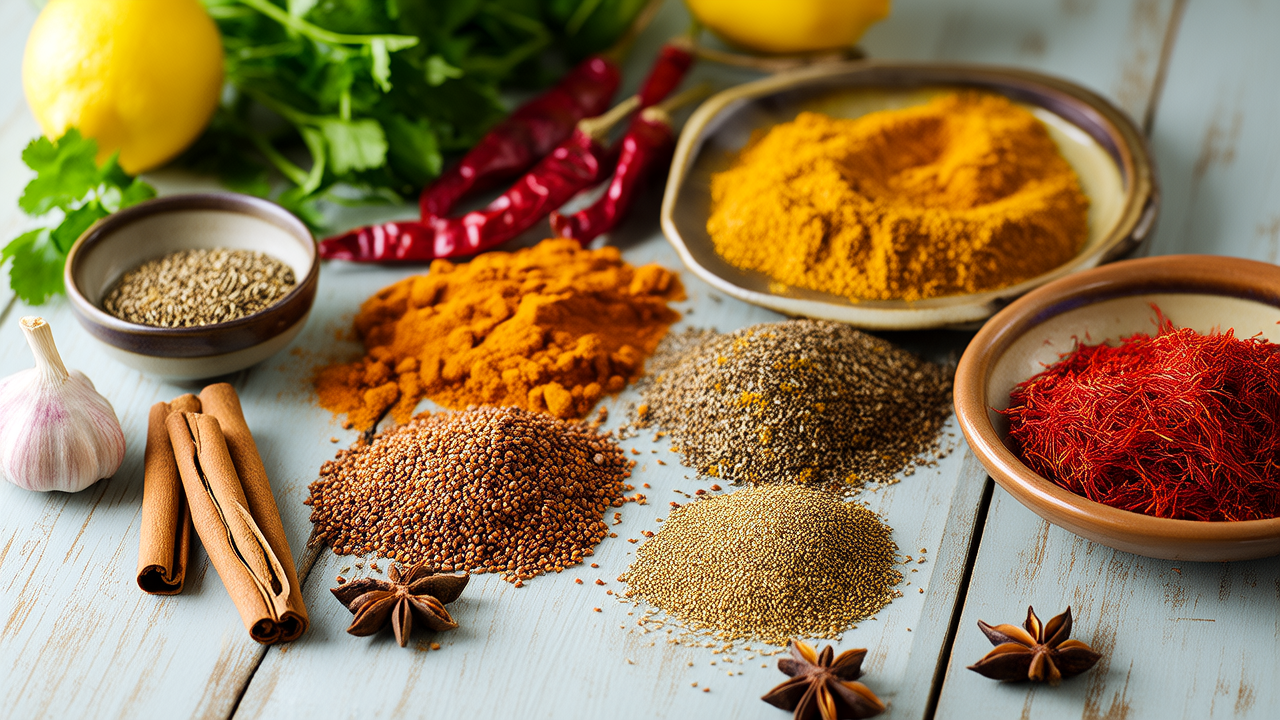 Saffron Risotto: Italian Method Guide
 Cooking with Lavender: Dos and Donts
 Cajun vs Creole Seasoning: Key Differences
 Toast and Grind Spices Fresh: Better Flavor
 Spice Nutrition: Benefits, Dosage & Usage Guidelines