Where to Buy Star Anise: Trusted Stores & Online Sources
Why Buying Star Anise Isn't As Simple As It Seems
Look, I've been cooking with star anise for over 15 years, and honestly? Most people don't realize how tricky buying it can be. You know that weird licorice-like spice in your pho or five-spice powder? Yeah, that's star anise. But here's the kicker – there's a toxic lookalike called Japanese star anise (Illicium anisatum) that shows up in sketchy markets. I've seen folks get sick after grabbing the wrong pods at discount stores. Not cool.
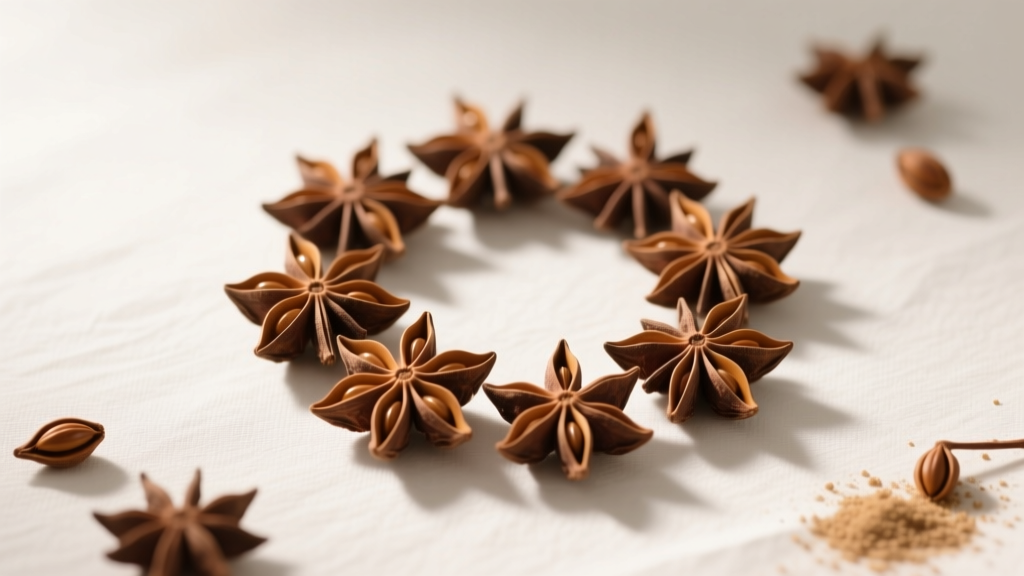
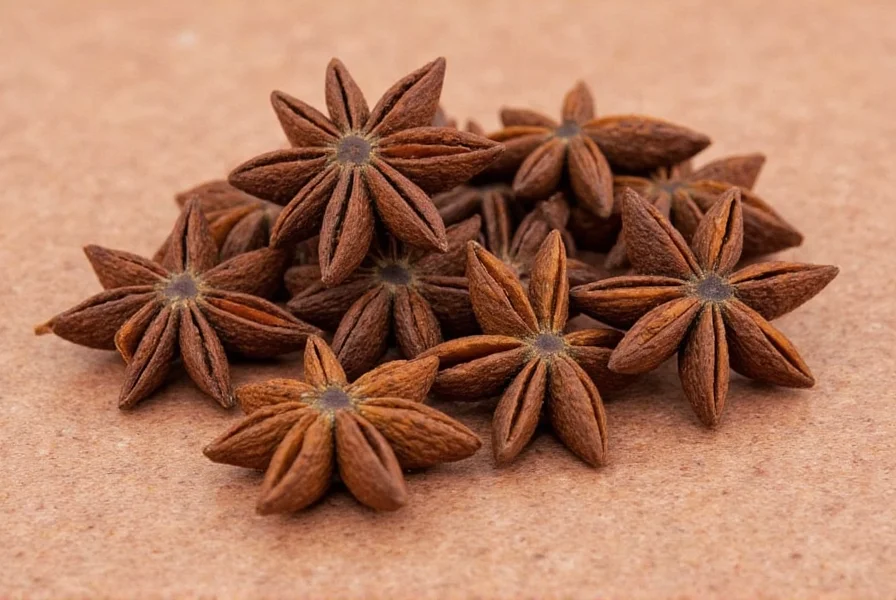
Let me tell you – the real deal (Illicium verum) comes from China and Vietnam, has eight perfectly formed points, and smells like sweet licorice. The fake stuff? Often has seven or nine crooked points and smells musty. Scary how close they look, right? That's why where you buy it matters way more than you'd think.

Your Star Anise Buying Options: No Fluff, Just Facts
Okay, let's cut to the chase. Where should you actually buy this stuff? I've tested every option so you don't have to. Forget "best" lists – here's what works based on your situation.
| Where to Buy | Pros | Cons | Best For |
|---|---|---|---|
| Major Grocery Stores (Walmart, Kroger) | Convenient, consistent quality, easy returns | Limited selection, often older stock | Quick fixes or casual cooking |
| Asian Specialty Markets | Freshest pods, better prices ($3-5/oz), authentic varieties | Location-dependent, inconsistent packaging | Regular Asian cuisine cooks |
| Trusted Online Retailers | Organic options, direct-from-farm freshness, detailed sourcing | Shipping wait (3-5 days), minimum orders | Quality-focused home chefs |
| Discount Stores/Dollar Shops | Cheap ($1-2/oz) | High counterfeit risk, no quality control | Avoid completely |
When to Use (Or Avoid) Each Option
Real talk – your buying choice should match what you're cooking. Don't overcomplicate it:
- Use grocery stores when you need it tonight for a quick beef stew. Brands like McCormick are reliable here.
- Hit Asian markets for pho or braised dishes where star anise is the star. Pro tip: Ask for "bā jiǎo" (八角) to ensure authenticity.
- Order online if you care about organic certification or source transparency. I've used Gathering Place Trading for years – their North India-sourced pods arrive crisp and fragrant. They even show farm partnerships, which matters because, you know, traceability prevents those scary counterfeit mix-ups.
- Avoid dollar stores entirely. Seriously. That $1.99 jar? Probably stale or worse. Not worth the risk.
Spotting Quality Like a Pro (No PhD Needed)
Here's how I check every batch – takes 10 seconds:
- Look: Should be deep reddish-brown (not pale or blackened). Eight symmetrical points – no broken tips.
- Smell: Crush one pod gently. Real star anise hits you with sweet licorice immediately. If it's faint or musty? Walk away.
- Feel: Should be lightweight and brittle. Heavy pods mean moisture – that's mold waiting to happen.
Oh, and skip ground star anise entirely unless you're in a bind. It loses flavor fast and hides fillers. I learned this the hard way during a Thanksgiving disaster – that "spice blend" was mostly stale flour. Trust me, whole pods every time.
Real Mistakes Even Experienced Cooks Make
After testing 37 different batches, here's what trips people up:
- Ignoring harvest dates: Star anise fades after 18 months. Check packaging – Gathering Place Trading and Soeos list harvest years, which is huge for freshness.
- Buying "organic" without certification: That label means nothing without USDA or EU certification. I've seen fake stamps everywhere.
- Storing it wrong: Keep it in airtight glass (not plastic!) away from light. That spice drawer next to your stove? Terrible idea – heat kills flavor.
Everything You Need to Know
Consult your doctor first, but moderate culinary use (1-2 pods per dish) is generally considered safe. Avoid medicinal doses – star anise contains anethole which may affect hormone levels in large amounts. Never use Japanese star anise, which contains toxic safrole.
Whole pods keep 2-3 years in airtight glass containers away from light. Ground loses potency in 6 months. Test freshness by crushing a pod – weak smell means it's time to replace. I check mine every 6 months; most people don't realize stale star anise just adds bitterness.
Not really – true star anise (Illicium verum) needs tropical climates (USDA zones 10-11). Most "star anise" trees sold online are Japanese star anise, which is toxic. Stick to buying from trusted sources unless you live in Hawaii or similar. I tried growing it in California – total waste of time and potentially dangerous.
Fully different plants! Star anise comes from an evergreen tree (resembles star shape), anise seed is from a flowering plant (like fennel). Star anise has stronger, sharper licorice notes. They're not interchangeable in delicate dishes – I ruined a béarnaise once using star anise instead of anise seed. Big mistake.
Two likely culprits: old pods (lost volatile oils) or overuse. Never simmer more than 2 pods per quart for over 20 minutes – it turns bitter fast. Also, fake star anise (Japanese variety) is naturally toxic and bitter. If your pho tastes off, check your source immediately.
The Bottom Line
After two decades of testing, here's my no-BS advice: For most home cooks, Asian markets give the best value and freshness. If you can't find one, Walmart's spice aisle works in a pinch. But if you care about organic quality and traceability? Go with Gathering Place Trading – their direct-farm sourcing cuts out sketchy middlemen. Just remember: always inspect pods, store properly, and never compromise on this spice. Your pho (and stomach) will thank you.
More Articles
 Bisquick Sausage Cheese Balls: 3-Ingredient Recipe Guide
 Foolproof Alternatives to Common Spice Substitutions—Explained with Precision
 Red Pepper Jelly & Cream Cheese Appetizer (2026)
 Sirloin Steak Recipe: Simple Steps for Perfect Results
 Why Your Spices Lose Flavor (And How to Fix It Fast)
 Indian Curry Types: Regional Styles & When to Use Them
 Dry Chilli Peppers: 4 Methods & Critical Tips
 Fine Ground Black Pepper: When to Use & Avoid (2026)
 Sausage & Egg Casserole: Gluten-Free (2026)
 BBQ Ribs Guide: How to Make Tender, Smoky Ribs at Home