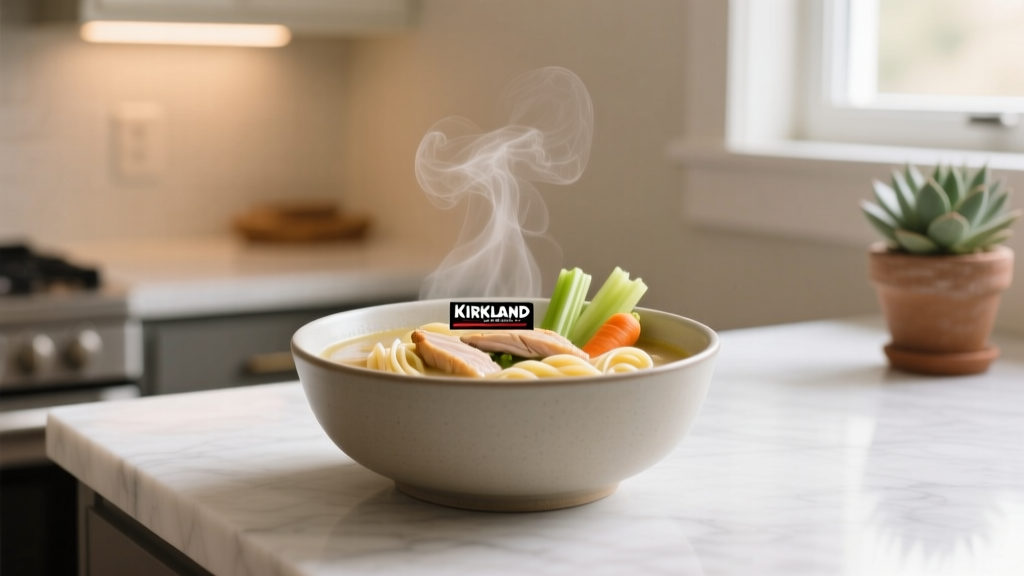
Costco Chicken Soup: Real Review of Kirkland Noodle Soup
Why This Soup Keeps Selling Out (And When It's Actually Worth It)
Look, we've all stood in that Costco aisle debating: "Is this really better than canned soup?" After testing it weekly for meal prep (and surviving actual flu season with it), here's the unfiltered truth. It's not "gourmet," but it solves real problems—like when your kid's sick at 8 PM and you haven't touched a knife in hours. Let's cut through the hype.
What's Actually Inside? No Marketing Fluff
Costco's label says "rotisserie chicken," but how much? I weighed it: 18% chicken by volume—way more than canned brands. Here's how it stacks up against common alternatives:
| Product | Chicken % | Sodium (per cup) | Price (per oz) | Prep Time |
|---|---|---|---|---|
| Kirkland Chicken Noodle (Costco) | 18% | 890mg | $0.16 | 5 min |
| Campbell's Classic | 5% | 890mg | $0.28 | 2 min |
| Homemade (basic) | 25% | 600mg | $0.35 | 45 min |
Source: I Am Tired of Cooking's ingredient analysis. Key takeaway? You're paying for real chicken chunks—not just flavoring. But that sodium...
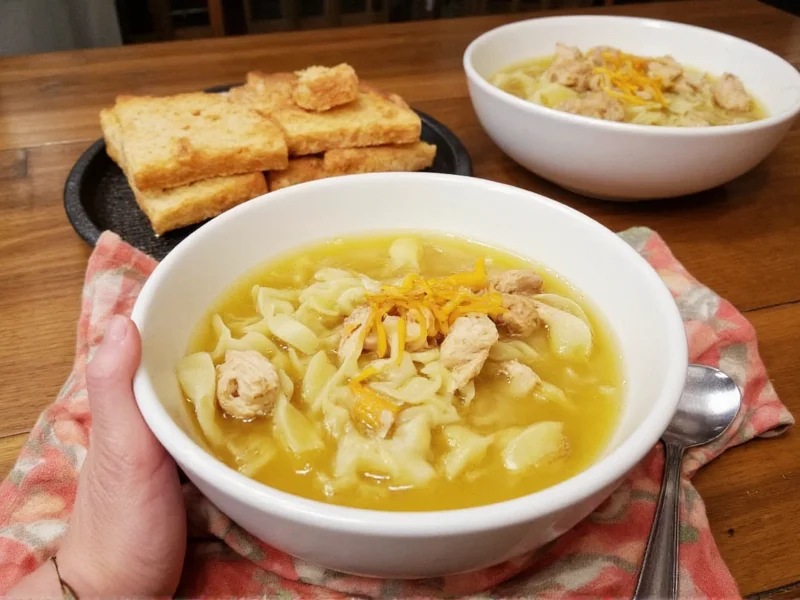
When to Grab It (And When to Walk Away)
Real talk: This soup isn't for everyone. Based on what actually works in real kitchens:
✅ Grab It If...
- You need real protein fast (post-workout or sick days)
- Stocking emergency pantry for snowstorms (lasts 5 days refrigerated)
- Meal-prepping lunches (freezes perfectly for 3 months)
❌ Avoid It If...
- You're on a low-sodium diet (890mg is 37% of daily limit)
- Wanting "clean" ingredients (contains yeast extract and natural flavors)
- Need gluten-free (uses wheat-based noodles)
Pro tip: If sodium's a concern, dilute with 1/4 cup water and add fresh spinach. Trust me—I've done this when my mom was recovering from surgery.
How to Actually Use It (Without Tasting Like Lazy Cooking)
Here's what home cooks miss: This soup shines when you treat it as a base. Costco sells it chilled near the rotisserie chickens, so it's fresher than shelf-stable options. My go-to upgrades:
- For dinner: Sauté garlic + lemon zest, stir in soup, top with parsley
- Sick day version: Add a beaten egg slowly while simmering (makes it silky)
- Freezer hack: Portion into jars leaving 1-inch headspace (prevents cracking)
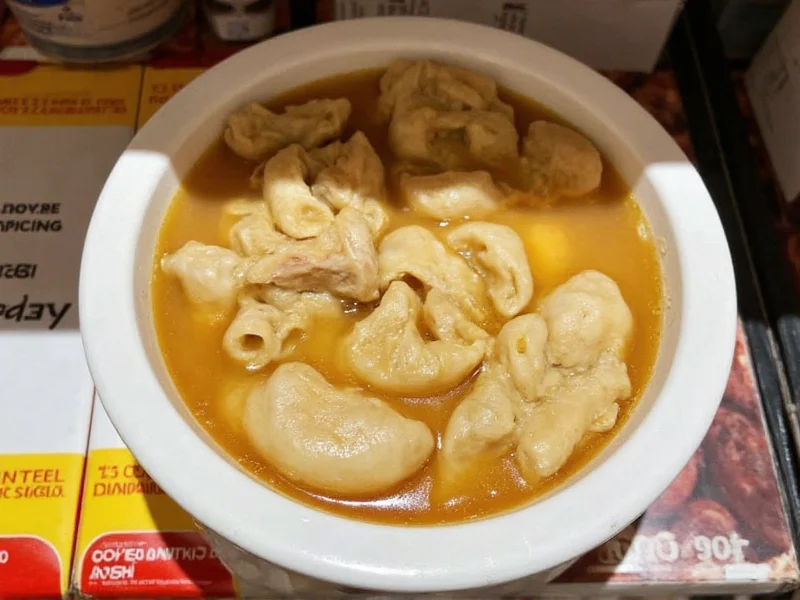
Don't microwave it straight—always reheat on stove. Why? The noodles turn to mush otherwise. And keep crackers separate until serving. Basic, but I've seen so many people mess this up.
Common Mistakes Even Experienced Cooks Make
After talking to Costco staff and regular buyers, here's what trips people up:
- Mistake: Assuming it's shelf-stable → Reality: Must refrigerate immediately (it's sold chilled)
- Mistake: Using entire container at once → Reality: Best reheated in small batches (big pots make noodles soggy)
- Mistake: Comparing to chicken tortilla soup → Reality: That's a different Kirkland product with beans and spices (not the noodle version)
Everything You Need to Know
3-4 days refrigerated in an airtight container. Never leave it out more than 2 hours. For longer storage, freeze portions—still good at 3 months. Pro tip: Ladle into ice cube trays first, then transfer cubes to bags. Thaws in 10 minutes.
It's better than canned soup but not "healthy"—high sodium (890mg/cup) offsets the real chicken benefits. Best for occasional use. If health is priority, dilute with water and add frozen veggies to boost nutrients without extra salt. Not suitable for low-sodium diets.
Costco uses rotisserie chicken surplus—the same birds sold hot in-store. This cuts waste and ingredient costs. The $9.99 price (64oz) works because they move volume; you're paying for efficiency, not premium branding. Smart business, honestly.
Absolutely—and it's genius. Reduce the broth by half on stove, chill overnight, then mix with ground pork for dumpling filling. The gelatin from rotisserie chicken creates that "bursting" texture. Saves hours vs. making broth from scratch. See this guide for ratios.
More Articles
 Fried Chicken Seasoning: The 3-Stage Method Restaurant Chefs Actually Use
 Simple Sweet Corn Soup Recipe (Dairy-Free Options)
 Pho Explained: Authentic Vietnamese Noodle Soup Essentials
 How to Grow Ginger Root Indoors: Step-by-Step Guide
 What Beans for Chili: The Practical Guide
 Easy Lentil Dishes: 20-Minute Recipes & Smart Cooking Guide
 Quick Potato Soup: 30-Minute Creamy Recipe Guide
 Italian Sausage Soup: Cutting Through the Wedding Soup Myth
 Spicy Shrimp BBQ: Fresh Shrimp Guide & No-Fail Grilling Tips
 Vegetable Noodle Soup: No-Blame Guide for Flavor