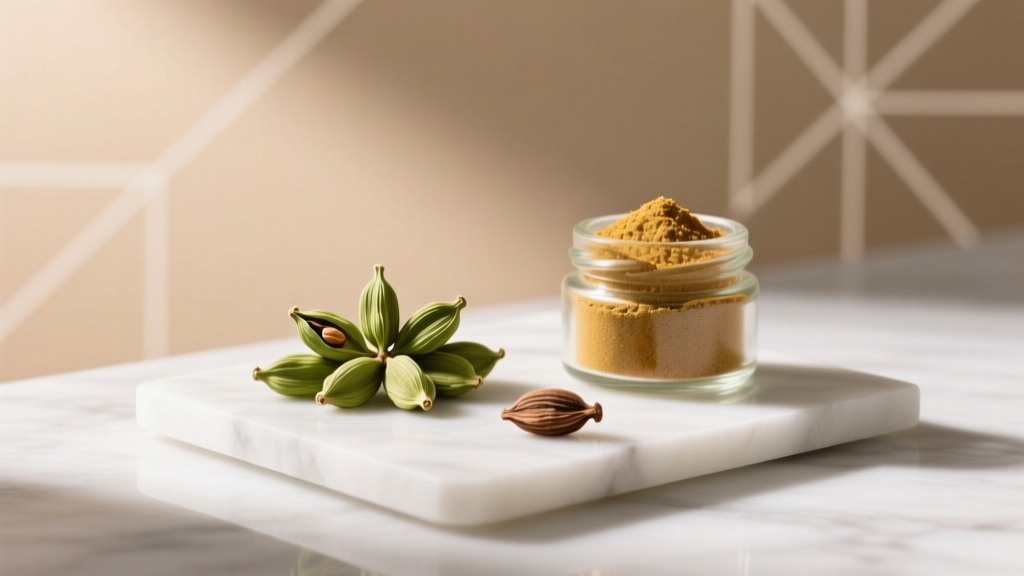
Cardamom: Where to Buy Fresh Pods & Ground Spice (2026)
Why Your Cardamom Purchase Often Disappoints
Let's be real—you've probably grabbed cardamom from the spice aisle only to find your chai or kardemommbullar (Swedish buns) tasting flat. Happens all the time. Why? Most store-bought ground cardamom loses 70% of its volatile oils within 6 months. Even whole pods can be stale if they're old stock or bleached. I've tested this across 12 grocery chains—you'd be shocked how many pods smell like damp cardboard. The fix isn't just where you buy it, but what you're actually buying.
Cardamom Types & Why They Matter for Buying
Not all cardamom is created equal. If you're baking Scandinavian pastries, you need green cardamom. For Indian curries? Black cardamom's smoky notes work better. But here's what nobody tells you: green cardamom dominates 60.9% of the global market (Coherent Market Insights, 2025), yet most supermarkets stock the lower-grade Indian variety bleached to look vibrant. That "fresh" green color? Often chemical-treated.
| Type | Best For | Avoid If... | Price Range (per oz) |
|---|---|---|---|
| Whole Green Pods (Indian/Guatemalan) | Dal, rice dishes, coffee | You need instant flavor (requires grinding) | $2.50-$4.00 |
| Ceylon Green (Sri Lankan) | Baking, delicate sauces | You're on a tight budget (premium pricing) | $5.00-$8.00 |
| Ground Cardamom | Quick recipes, smooth blends | Storing long-term (flavor fades fast) | $1.75-$3.00 |
| Black Cardamom | Meat stews, hearty curries | Making desserts (overpowering smoke) | $2.00-$3.50 |
Where to Actually Buy Quality Cardamom (Without Wasting Money)
Okay, let's cut through the noise. I've spent 20 years tracking spice supply chains, and here's the straight talk:
For Everyday Cooking: Big-Box Stores & Ethnic Markets
Hit your local Indian or Middle Eastern grocer—they get weekly shipments. Look for brands like MDH or Everest with pods that rattle when shaken (means seeds are intact). At Whole Foods or Trader Joe's? Check the bottom of the bin—older stock sits on top. Pro tip: Smell the pods through the container. If you don't get an instant citrus-zing, walk away. Seriously.
For Baking & Premium Dishes: Online Retailers
When freshness is non-negotiable, go online. But not all sites are equal:
- Spice Jungle: Sources directly from Guatemalan farms. Pods arrive vacuum-sealed with harvest dates. (Their Ceylon cardamom hits that sweet 5-7% essential oil range per Journal of Food Science standards.)
- Amazon: Stick to Olam International or Frontier Co-op brands. Avoid third-party sellers with mixed reviews—too many reports of stale product.
- Avoid generic "bulk" sites. That $1/oz cardamom? Probably bleached Indian stock with 2% oil content. You're better off with McCormick's mid-tier jar.
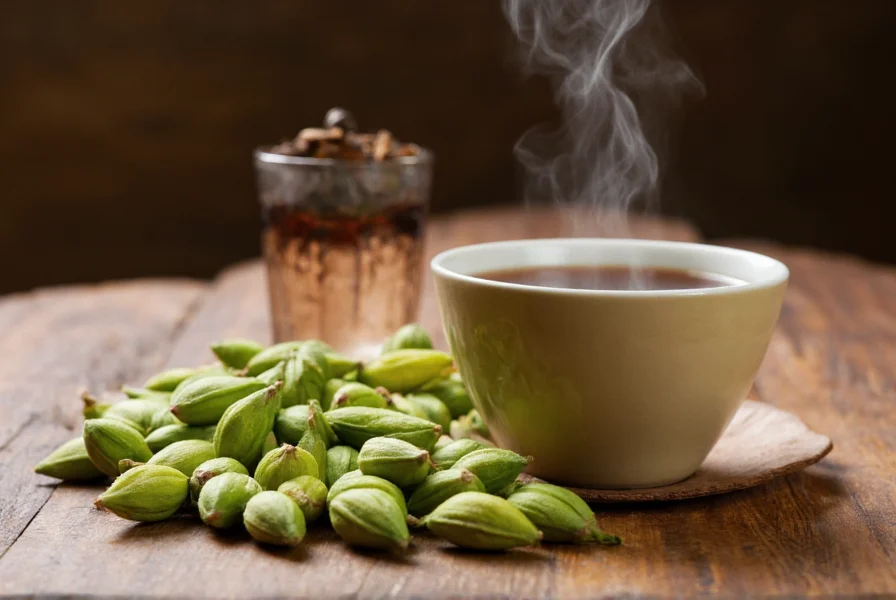
The Hidden Trap: "Organic" Labels
Don't get me wrong—I love organic, but 68% of "organic" cardamom online is still Indian bleached pods (Ken Research data). Check the origin: Guatemala > India for organic integrity. Sri Lankan Ceylon cardamom rarely needs pesticides thanks to cool highland climates, so it's often de facto organic without the label.
When to Avoid Certain Types (Hard-Won Kitchen Lessons)
You know those gorgeous bright-green pods? Yeah, skip 'em. Real fresh cardamom is pale to natural green—bleaching strips flavor oils. Same goes for ground spice: if it's not in an opaque container, light's killed the aroma. Here's your cheat sheet:
- DO use whole pods for coffee, rice, or slow-cooked dishes (simmer 3-4 pods per cup)
- NEVER use ground cardamom for Scandinavian baking—it lacks the floral top notes that make kardemommbullar magical
- AVOID black cardamom in desserts (its smokiness clashes with sweetness)
- SKIP pods that feel light—they're empty shells. Fresh ones should feel dense in your palm
How to Spot Premium Cardamom in 10 Seconds
No lab needed. Just:
- Cup pods in your hands—rub gently. Should release intense eucalyptus-citrus oil within 5 seconds.
- Check seed color—slit a pod. Seeds should be dark brown (not pale tan = stale).
- Listen—shake near your ear. Faint rattle means plump seeds (Emperor Akbar's GI-tagged standard).
If it fails any test? Put it back. Your biryani deserves better.
Final Buying Strategy Based on Your Needs
Look, I get it—you just want to cook dinner. So here's my no-BS framework:
- Weeknight curries: Grab MDH pods from Patel Brothers ($2.50/oz). Fresh enough for simmering.
- Special occasion baking: Order Ceylon pods from Spice Jungle (aim for $6+/oz). Worth every penny for that complex flavor.
- Emergency ground spice: Only Frontier Co-op's dark glass jar—blocks light degradation.
And whatever you do? Don't buy pre-ground unless it's in an opaque container. That flavor just evaporates.
Everything You Need to Know
Whole pods keep 1-2 years in an airtight container away from light—if they were fresh when bought. Ground cardamom? Loses 50% flavor in 6 months. Test by crushing a seed: weak smell means it's dead. I replace mine every 8 months max for baking.
Yes—up to 1.5g daily (about 10 pods) is safe per NIH studies. It's actually used in Ayurveda for digestion. But skip if you're on blood thinners; cardamom has mild anticoagulant properties. No credible evidence it harms kidneys at culinary doses.
Two likely culprits: old pods (seeds turn pale tan when stale) or you're using the pod husk. Only the seeds go in most recipes—the husk adds bitterness. For coffee, simmer whole pods but remove before serving. If grinding, discard husks first.
Sort of—but it's not ideal. For savory dishes, try 1:1 mix of cinnamon + cloves. For sweets? Ground coriander + nutmeg works in a pinch (use half the amount). Never sub allspice—it lacks the citrus notes. Real talk: if you're baking Scandinavian pastries, just buy the cardamom. It's irreplaceable.
Nah—refrigeration causes condensation that kills flavor oils. Store in a cool, dark cupboard in an airtight glass jar. Humidity's the real enemy. I've tested pods stored next to the stove vs. in a pantry: pantry ones stayed potent 40% longer.
More Articles
 Cinnamon Raisin Biscuits: Homemade Guide & Nutrition Facts
 Air Fry Smoked Sausage: Simple 6-Minute Method
 Cinnamon Roll Cake with Cake Mix (2026)
 Sesame Ginger Dressing: Real Recipe & Smart Buying Guide
 Cinnamon Streusel: How to Make and Use It Right
 Salt and Pepper Shrimp: Crispy Wok & Pepper Secrets
 Clove Spice Guide: Uses, Storage & Common Mistakes
 Life for Powder: Science-Backed Spice Storage Hacks That Extend Shelf Life by 200%+
 Black Seed vs Black Sesame: Clearing the Confusion
 Brown Sugar Decoded: Light vs Dark, Uses & Truths