Where to Buy Black Cumin (Without the Confusion)
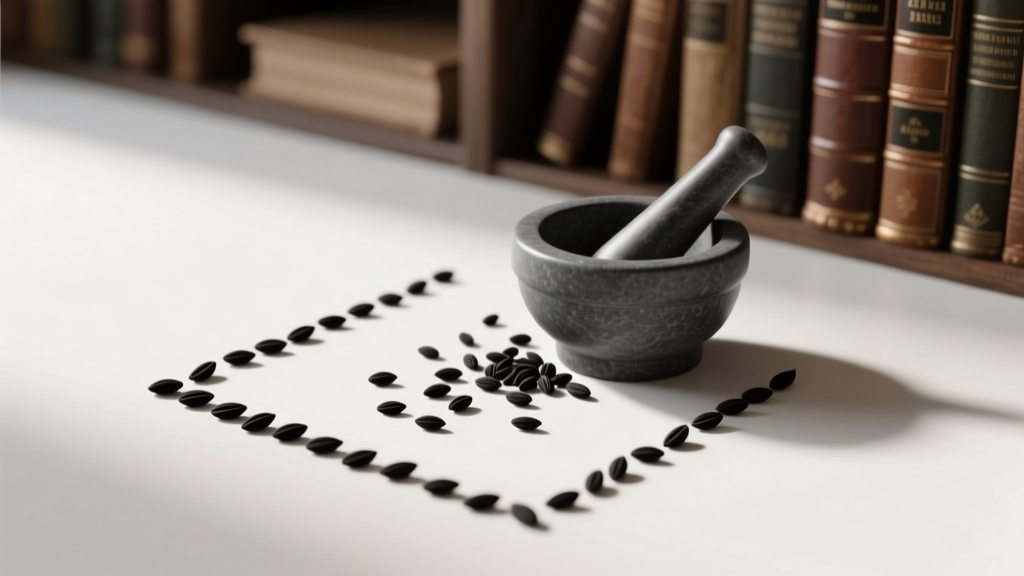
Let's cut through the confusion right away—"black cumin" isn't actually cumin. It's Nigella sativa, a completely different plant often labeled kalonji in Indian markets or black seed in supplement shops. I've lost count of how many times I've seen folks grab regular cumin seeds thinking they're "black"—big mistake. The real deal has a subtle onion-pepper scent and those tiny, matte-black teardrop-shaped seeds.
Why Finding It Feels Like a Treasure Hunt
Here's the kicker: major supermarkets like Kroger or Tesco rarely stock it in their spice aisles. Why? Because it's not mainstream Western cooking. But don't sweat it—I've sourced this stuff for 20 years, and once you know where to look, it's everywhere. The real headache is the naming chaos. You'll see it sold as:
- Kalonji (Indian/Pakistani stores)
- Black seed or Nigella sativa (health food/supplement shops)
- "Black cumin" (online—but double-check the Latin name!)
Oh, and heads-up: some shady sellers dye regular cumin black to pass it off. If the seeds look unnaturally shiny or uniform? Run. Authentic Nigella seeds are matte and slightly irregular.
Your Best Bets for Buying Black Cumin
Based on where I actually get mine (and where I've sent clients for decades), here's the real-deal breakdown:
| Where to Buy | What to Look For | Avoid If... |
|---|---|---|
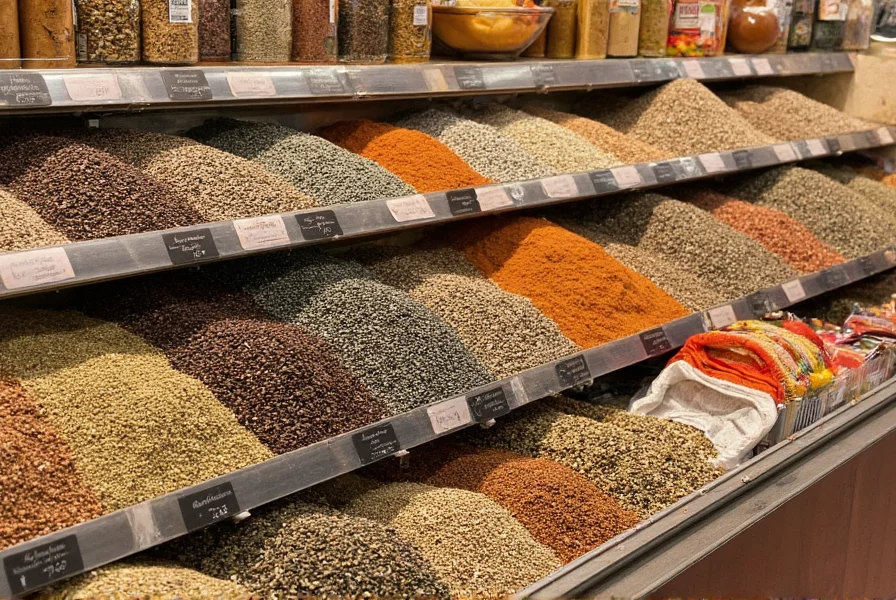
| Middle Eastern/Indian grocers | "Kalonji" in spice jars or bulk bins (Patel Brothers, ethnic markets) | Labeled just "cumin"—ask for clarification |
| Health food stores | Bulk bins labeled "Nigella sativa" or "black seed" (Whole Foods, Sprouts) | No Latin name on label—could be dyed cumin |
| Online specialty retailers | Verified Nigella sativa with origin details (see table below) | "Black cumin" without botanical name |
Trusted Online Sources (No Guesswork)
I've personally vetted these vendors—they get the naming right and source quality seeds. Skip Amazon randoms unless they match these specs:
| Vendor | What They Get Right | Price/Size Guide | Why I Trust Them |
|---|---|---|---|
| Food to Live | "Organic Nigella sativa" clearly stated | 16oz bag ~$15 | USDA organic certified; lists iron/calcium content |
| Gandhi Food | Sold as "Kala Jeera" (authentic Indian term) | 3.5oz jar ~$4 | Specializes in South Asian spices since 1985 |
| Gneiss Spice | "Origin Egypt" specified; refill options | 1.1oz refill ~$5 | Transparent sourcing; plastic-free packaging |
| Organic Way LLC | "Kalonji" + "Origin India" on label | 4oz ~$7 (with WINTER2026 code) | Kosher certified; non-GMO verified |
When to Avoid Buying (And Why)
Not all "black cumin" is legit. Steer clear if:
- The label says only "cumin"—real Nigella never shares a label with regular cumin
- It's sold as a "detox" supplement without botanical naming (common scam)
- Price seems too good (under $3/oz)—likely dyed cumin or stale stock
Pro tip: Crush a seed between your fingers. Authentic black cumin releases a faint onion-like scent—not earthy like regular cumin. If it smells like nothing? Probably old or fake.
Storage Smarts for Maximum Freshness
Once you've got the real stuff, keep it potent:
- Store in an airtight container away from light (a dark cupboard works)
- Grind only what you need—whole seeds last 2+ years; ground loses flavor fast
- Never refrigerate—it introduces moisture that kills aroma

Everything You Need to Know
No—regular cumin (Cuminum cyminum) has a warm, earthy flavor while black cumin (Nigella sativa) is subtly peppery with onion notes. Substituting changes the dish entirely. For Indian/Middle Eastern recipes calling for "kalonji," use nigella seeds only.
Yes—it's pressed from Nigella sativa seeds. But note: oil lacks the fiber and some nutrients of whole seeds. For cooking, use seeds; for topical use (like hair masks), opt for cold-pressed oil like Micro Ingredients' USDA-certified version.
Most mainstream stores (Walmart, Safeway) don't stock it because demand is niche outside ethnic cuisines. Hit up Patel Brothers for Indian groceries or Penzeys for specialty spices—they consistently carry authentic kalonji.
Fresh seeds snap cleanly when bent (stale ones crumble). Smell for that distinct onion-pepper aroma—if it's musty or scentless, it's past prime. Buy from vendors like Kevala that list harvest dates; nigella seeds peak within 18 months of packaging.
Absolutely! Truelove Seeds sells viable Nigella sativa packs (96% germination rate). Plant in spring—they're hardy annuals that self-seed. Just note: homegrown seeds take 2+ years to match store-bought potency.
More Articles
 Rhodes Cinnamon Rolls: Baking Guide & Key Facts
 Chinese Pepper Steak with Onions: Authentic Recipe & Fixes
 Growing Chinese 5 Color Pepper Seeds: Complete Guide
 Onion Powder to Dried Minced Onion Ratio
 Life for Powder: Science-Backed Spice Storage Hacks That Extend Shelf Life by 200%+
 Rosemary Garlic Seasoning: When to Use It Right
 Mango Chutney Explained: History, Uses & Key Differences
 Beef Stew Spices Guide: Essential Herbs and When to Use Them
 Canela Sticks: Real Ceylon Cinnamon vs Cassia Guide
 How to Grow Ginger Root Indoors: Step-by-Step Guide