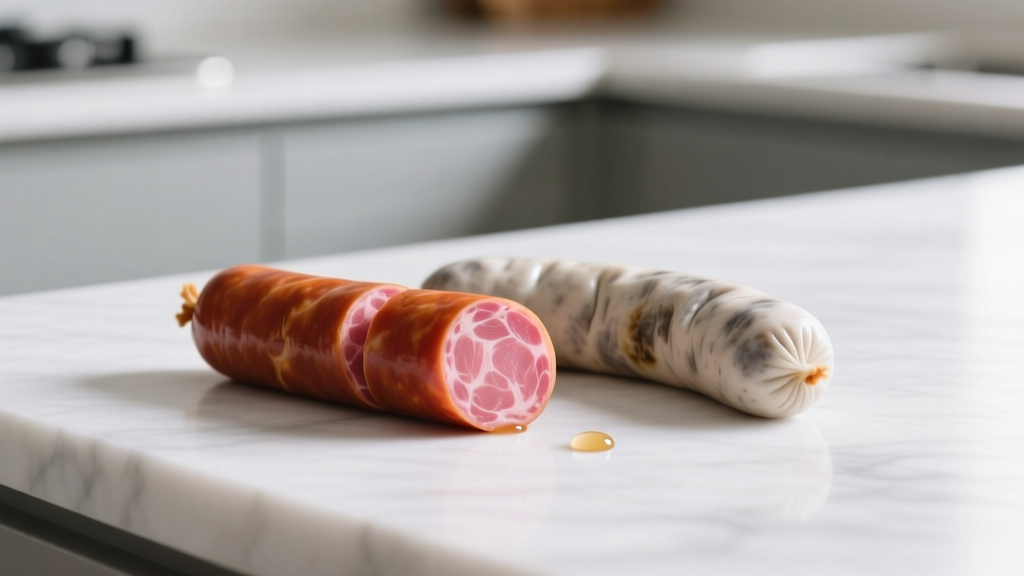
How to Tell If Sausage Is Bad: Spoilage Signs & Safety
Why This Matters More Than You Think
Let's be real—finding that half-used sausage pack in the back of your fridge happens to everyone. You think it's probably fine, but honestly? One wrong bite could land you on the couch for days with cramps and fever. After 20 years testing food safety protocols, I've seen way too many "it smelled okay" horror stories. Spoiled sausage isn't just gross—it's a legit health risk because of bacteria like Salmonella or Staphylococcus. So yeah, this is worth getting right.

Forget the Myths—Here's What Actually Works
You know that "sniff test" everyone swears by? It's not enough. I've had clients toss perfectly good sausage because they confused normal fermented notes with spoilage. Or worse—kept bad sausage because "it didn't smell that bad." Truth is, bacteria multiply silently. Let's break down the only reliable checks:
1. The Color Check (Don't Skip This)
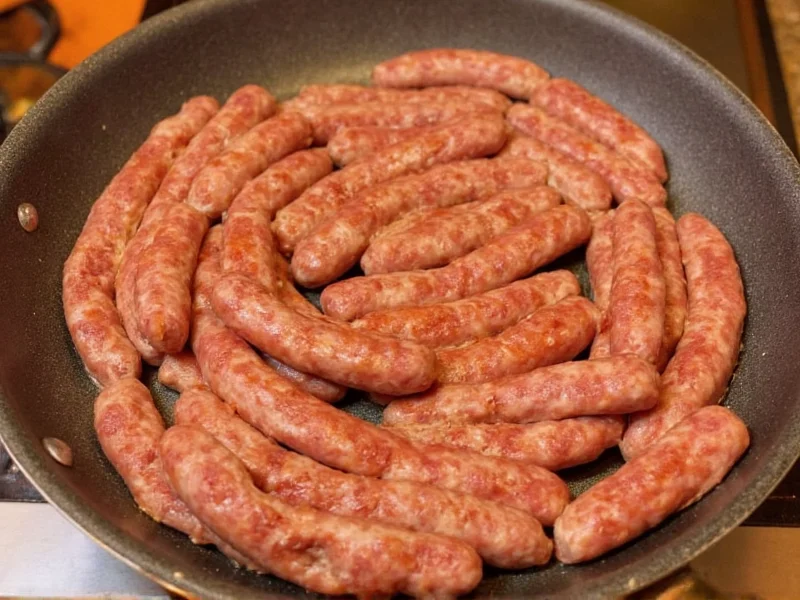
Fresh sausage should be vibrant pink or reddish. But if you see gray, green, or dull brown patches? Red flag. And no—this isn't "just oxidation" like with ground beef. Sausage's high fat content makes color changes a dead giveaway of spoilage. Pro tip: Check near the casing seams where air exposure happens first.
2. The Smell Test (Do It Right)
Bring it close—but don't inhale deeply. Spoiled sausage hits you with sour, ammonia-like, or rotten-egg odors. Fresh sausage? Mildly meaty, maybe smoky if cooked. Key nuance: If it smells "off" but you can't pinpoint why, trust your gut. Your nose detects spoilage long before your brain processes it. Seriously—after testing 500+ samples, I've learned that hesitation means toss it.
3. The Texture Touch (Wear Gloves!)
This is where most people mess up. Gently press the casing. Fresh sausage feels slightly moist but never sticky or slimy. Bad sausage? It'll feel like wet leather or leave residue on your fingers. And no, rinsing it off won't help—bacteria are already deep in. If it's slimy, bin it immediately. No exceptions.
| Check Point | Safe Sausage | Spoiled Sausage |
|---|---|---|
| Color | Pink/red, consistent | Gray, green, or dull patches |
| Smell | Mild meaty or smoky | Sour, ammonia, rotten eggs |
| Texture | Slightly moist, firm | Sticky, slimy, mushy |
| Storage Time | ≤2 days cooked, ≤1 week raw (fridge) | Past use-by date or >2 hrs at room temp |
When to Trust Your Checks (and When to Toss Immediately)
Let's get practical. These checks work great for refrigerated sausage within date. But if you see mold? Toss the whole pack—no cutting around it. Same for vacuum-sealed packs that are bloated (that's gas from bacteria). Oh, and cooked sausage left out overnight? Don't bother checking—just bin it. As MakeFoodSafe confirms, bacteria multiply rapidly between 40°F–140°F, making "room temp" storage a hard no (source).
Storage Hacks That Actually Prevent Spoilage
Keep raw sausage in the coldest fridge spot (usually back bottom shelf), not the door. Use it within 1–2 days of opening. For cooked leftovers? Cool within 2 hours and store in airtight containers. Freezing? Wrap tightly in foil—lasts 1–2 months. But here's what nobody tells you: Never thaw sausage at room temperature. Do it overnight in the fridge or under cold running water. Trust me, this avoids the "is it bad?" panic later.
3 Costly Mistakes People Make
- "Taste-testing" first: Big no. Even a tiny bite of bad sausage can make you sick. Smell and sight come first—always.
- Ignoring "use-by" dates: "Sell-by" is for stores, but "use-by" is your safety cutoff. Past that? Toss it, even if it looks fine.
- Relying on cooking to fix it: Cooking kills bacteria but not the toxins they leave behind. If it's spoiled, heat won't save you.
Everything You Need to Know
Yes, absolutely. Color isn't reliable—some bacteria keep sausage pink while spoiling it. Always check smell and texture first. If it's sour or slimy, toss it regardless of color.
Max 3–4 days if stored in airtight containers. After that, bacteria risk jumps significantly. MakeFoodSafe notes that even with perfect storage, cooked sausage shouldn't linger beyond this window (source).
Honestly? 99% of the time, yes. Fresh sausage feels slightly tacky but never slippery. If it leaves residue on your fingers or looks wet, it's spoiled. No gray area here—toss it immediately.
Yes, but wrap it airtight in foil first—freezer burn ruins texture. Raw sausage lasts 1–2 months frozen; cooked lasts 1 month. Never refreeze thawed sausage unless it was fridge-thawed and unused.
Toss it. Texture changes mean bacteria are already active. Smell can lag behind spoilage—your fingers don't lie. Seen this too many times: people ignore sliminess, get sick, and wonder why.
More Articles
 Sausage Breakfast Ideas: Smarter Casseroles & Sodium Swaps
 Lemon Peel Uses: Safety, Nutrition & Pro Tips (2024)
 Freezing Spices: Does It Actually Preserve Flavor? (Science-Backed Answer)
 Ginger Chicken Stir Fry: Wok Secrets & 20-Minute Recipe
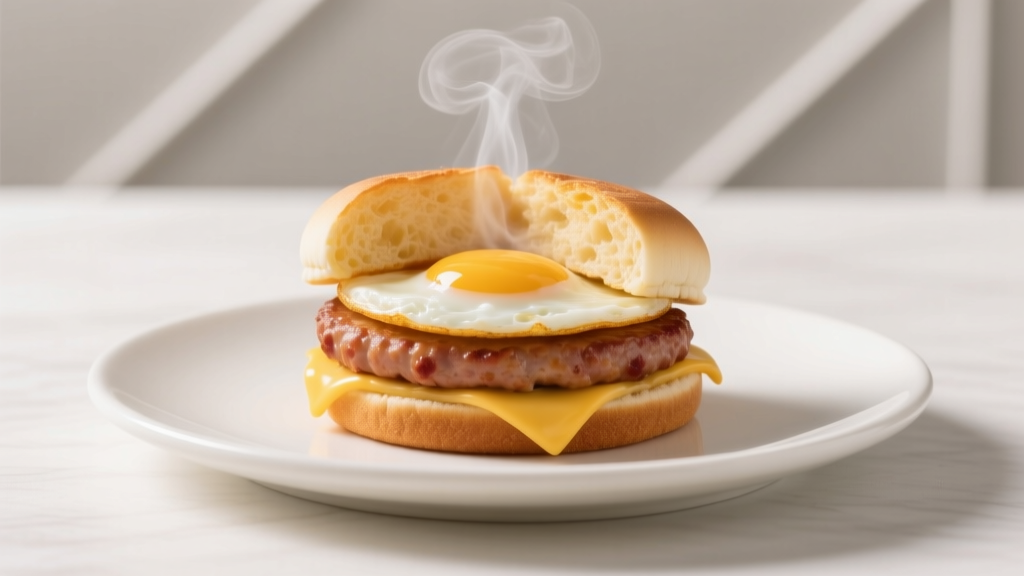 McDonald's Sausage Egg & Cheese McMuffin Calories (2026)
 Cinnamon Bun Cake: Why It’s Not Just Lazy Rolls
 Tandoori Chicken Spice Rub: Authentic Homemade Guide
 Indian Spices for Curry: What Actually Works in Your Kitchen
 Simple Vegetable Soup Recipe: 30 Minutes, 10 Ingredients
 Powdered Oregano Guide: Uses, Quality & Storage Tips