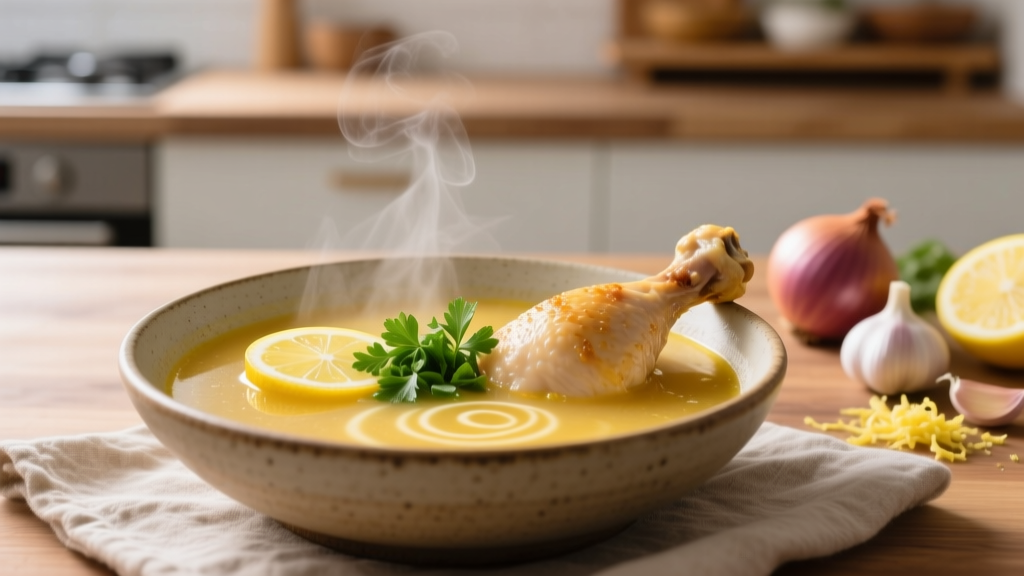
Greek Chicken Lemon Soup: Authentic Avgolemono Guide
Why This Soup Keeps Greeks Warm for Centuries
Look, I've cooked avgolemono for 20 years across three continents, and here's what nobody tells you: this isn't just "lemon chicken soup." It's a cultural lifeline. When Greeks say "I'm sick," their moms don't reach for chicken noodle – they make avgolemono. Honestly? That egg-lemon emulsion (avgolemono literally means "egg-lemon" in Greek) is pure kitchen alchemy. No dairy, yet somehow creamy. Low-fat but deeply comforting. And yeah, it will curdle if you rush it – but I'll show you how to nail it every time.
Rice vs. Orzo: The Great Avgolemono Divide
Okay, let's settle this once and for all. Traditional Greek households split right down the middle on this. Northern Greece? Mostly rice. Coastal areas? Orzo's the star. But here's what matters for your pot:
| Factor | Rice Version | Orzo Version |
|---|---|---|
| Texture | Lighter, brothier | Heartier, almost "pasta-soup" feel |
| Authenticity | Classic mainland style | Coastal/island favorite |
| When to Choose | Colds/flu (easier digestion) | Winter meals (more filling) |
| When to Avoid | If serving kids (choking risk) | Gluten-free needs |
Pro tip: Never use basmati or jasmine rice. Short-grain like Arborio holds up better – as Greek chef Maria Kondos emphasizes in her family recipe. And if you're using orzo? Toast it lightly in olive oil first. Trust me, that nutty flavor change is worth the extra minute.
The Curdling Trap (And How to Dodge It)
Here's where 90% of home cooks fail: they dump eggs straight into boiling soup. Never let the soup return to a boil after adding avgolemono – that's the #1 rule per Yianni's authentic method. Instead:
- Whisk 3 room-temperature egg yolks + ½ cup fresh lemon juice
- Slowly drizzle in ½ cup hot broth while whisking (this is tempering)
- Pour mixture back into off-heat soup, stirring constantly
See that photo? That's what properly tempered avgolemono looks like – smooth, pale yellow, no scrambled bits. If you rush step 2? You'll get lemony scrambled eggs. Been there, wasted broth that way.
Why Bone-In Chicken Changes Everything
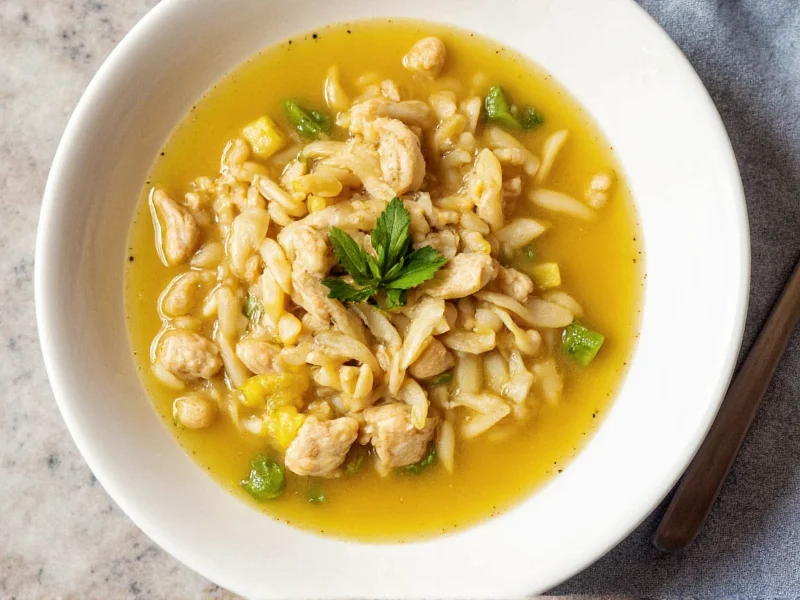
Most American recipes use chicken breast, but here's the Greek secret: skin-on, bone-in pieces. As Olive Tomato's family recipe proves, simmering thighs/drumsticks for 90 minutes creates collagen-rich broth that:
- Thickens naturally as it cools
- Boosts immune support (more zinc)
- Prevents that "watery" texture
Don't believe me? Try it both ways. The bone-in version has that velvety mouthfeel even before adding eggs. Just remove skin/bones before shredding chicken. And hey – save those bones! Freeze them for future avgolemono. Waste not, want not.
Cultural Roots You Won't Find on Most Blogs
Avgolemono isn't just soup – it's Greece's culinary fingerprint. Historically, it emerged from Sephardic Jewish communities who brought egg-thickened sauces to Greece after 1492. By the 1900s, it was fully Hellenized. Fun fact: During winter, Greek pharmacies actually sell avgolemono kits for colds! That's how deeply it's woven into daily life.
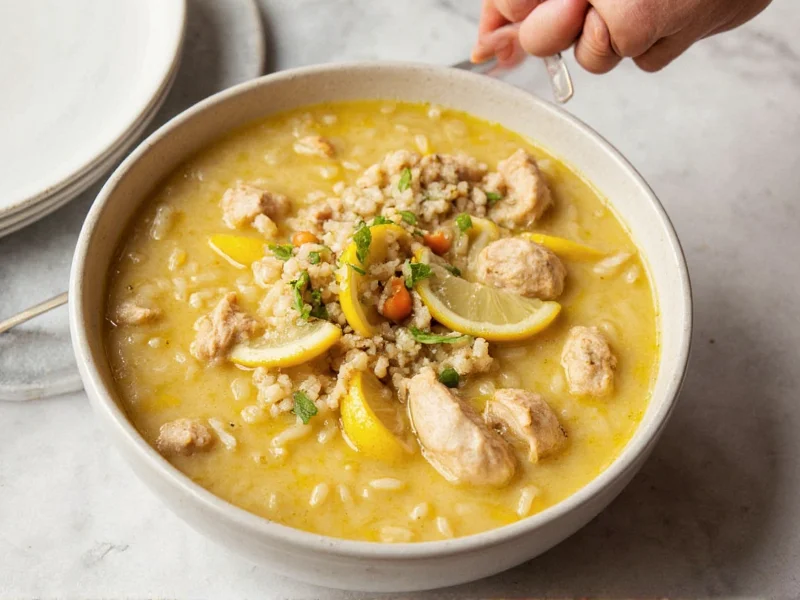
Important note: This isn't some "trendy" wellness soup. It's legit functional food – low-fat (13% calories from fat per Olive Tomato's nutrition analysis), high in vitamin C and choline. But don't call it "Greek chicken noodle" – that's like calling champagne "fancy soda."
Everything You Need to Know
Two common slip-ups: 1) Eggs weren't room temperature (cold eggs shock the broth), or 2) You returned soup to boil after adding the mixture. Always keep heat off during final stir. If it curdles slightly, blend it – texture recovers surprisingly well.
Absolutely – and Greek home cooks prefer thighs! Simmer bone-in thighs for 60-90 minutes for richer flavor. Just remove skin before shredding to keep it low-fat. Breast works in a pinch (like Yianni's quick version), but thighs create that collagen-rich broth traditionalists love.
3-4 days max. The egg-lemon base makes it spoil faster than plain broth. Never freeze it – the emulsion breaks completely upon thawing. Pro move: Make extra broth separately, then add fresh avgolemono when reheating.
Yes – it's naturally low-calorie (about 220 kcal/serving) and high-protein. But skip the orzo if cutting carbs; rice version has 35g carbs vs. orzo's 45g. Key benefit: The lemon-egg combo aids digestion better than dairy-based soups. Just watch portion sizes – it's deceptively filling!
3 egg yolks per ½ cup lemon juice (about 3-4 lemons). Never use bottled juice – the citric acid difference causes separation. Greek cooks use local "Lakonian" lemons when possible, but standard Meyer lemons work. Adjust after tempering: add lemon drops for tang, but never add more eggs mid-process.
More Articles
 Salt and Pepper Shrimp: Crispy Wok & Pepper Secrets
 Sourdough Cinnamon Rolls: Active Starter Method (No Yeast)
 Italian Sausage Soup: Cutting Through the Wedding Soup Myth
 Quick Potato Soup: 30-Minute Creamy Recipe Guide
 Ham Potato Soup: How to Make It Right (With Bone or Without)
 Brown Lentils: The Everyday Cook's Guide
 Shawarma Spices: Authentic Blend Guide (Not Schwarma)
 Proven Spices for Pork: What Actually Works
 Indian Lentil Recipes: Dal Types That Actually Work
 Kale and Sweet Potato Soup: Simple Recipe & Nutrition Guide