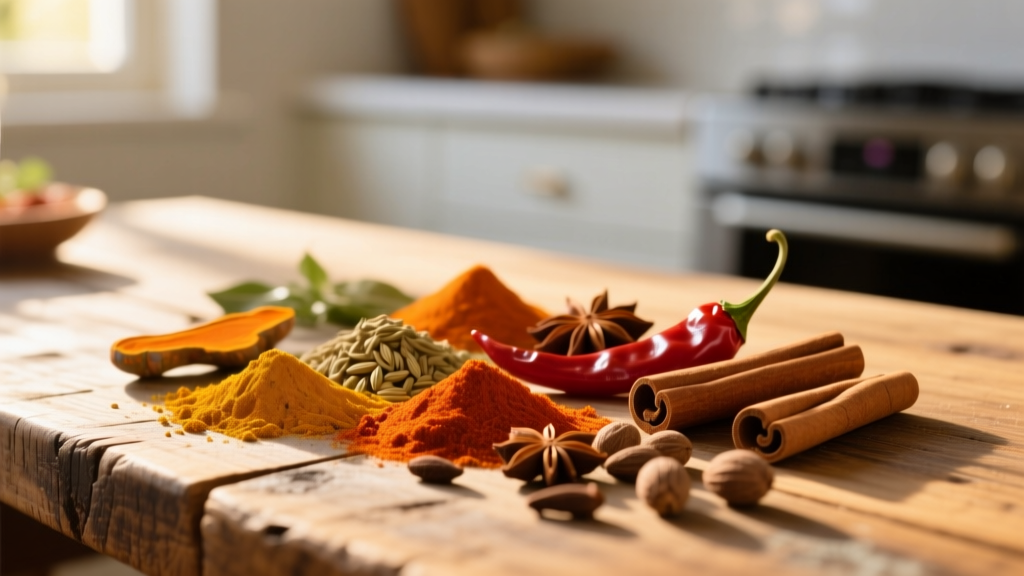
Spice Labeling System for Busy Kitchens
Why Labels Matter
Ground cumin and ground coriander look identical. So do garlic powder and onion powder. Without proper labeling, even experienced cooks grab the wrong jar mid-recipe. A systematic labeling approach saves time and prevents costly mistakes.
Essential Label Information
Every spice label should include: spice name (obvious but critical), purchase or grind date, and best-by date. For homemade blends, list all ingredients for allergen awareness. Keep labels concise — you need to read them at a glance while cooking.
Color-Coding System
Use colored dots or labels to categorize spices at a glance: red for hot spices (cayenne, chili powder, paprika), green for herbs (oregano, thyme, basil), gold for warm spices (cinnamon, nutmeg, allspice), blue for earthy spices (cumin, coriander, turmeric), white for salt and pepper varieties.
Label Materials
- Waterproof vinyl labels: best for long-term durability
- Chalkboard stickers: allow erasing and rewriting for frequently replaced spices
- Masking tape + Sharpie: cheapest option, replace every 6 months
- Label maker tape: professional appearance, easy to read
Digital Inventory
For larger collections (50+ spices), maintain a digital inventory on your phone. Note spice name, quantity, location, purchase date, and use-by date. Apps like Pantry Check or a simple spreadsheet work well. Review monthly and update as you use and replenish spices.
Placement Consistency
Always place labels on the lid or top of the jar. This way you can identify spices when looking down at a rack or drawer without picking each one up. For drawer storage, label the lid top. For shelf storage, label the front of the jar at eye level.
More Articles
 Chicken Noodle Soup Seasonings: Essential Guide
 Freeze Spices: Double Their Shelf Life Easily
 Pumpkin Cinnamon Buns: Real Talk From 20 Years Baking
 Is Parsley Spicy? The Truth for Home Cooks
 5 Spice Rack Location Mistakes to Avoid
 Grilled Cheese and Soup: Science-Backed Pairing Guide
 Spice Rack Organization: 7 Smart Tips
 How to Season Steaks Right: Simple Proven Steps
 Simple Veggie Noodle Soup Recipe for Busy Nights