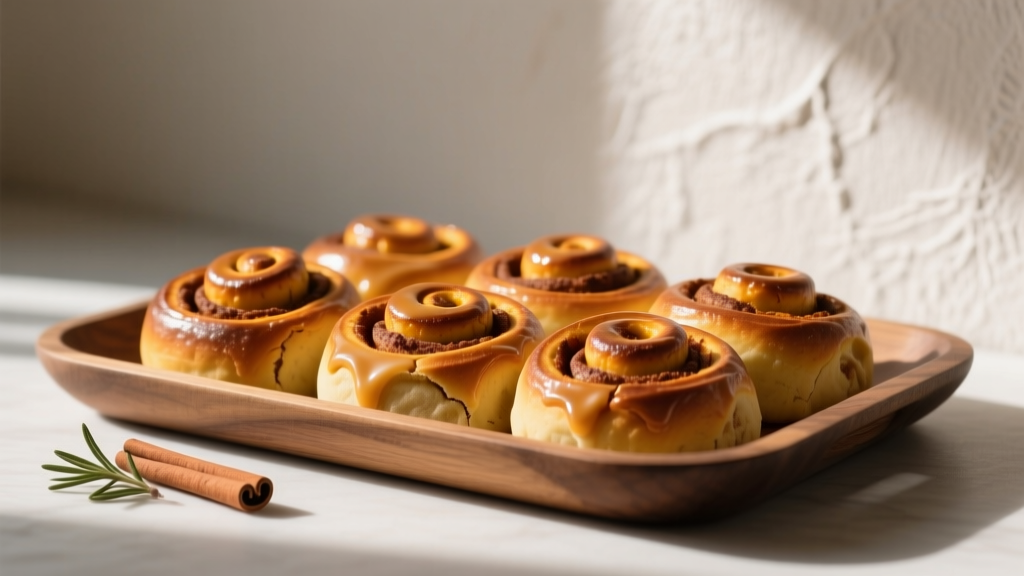
Pumpkin Cinnamon Buns: Real Talk From 20 Years Baking
Why Homemade Beats Store-Bought (Mostly)
Look, I've tested both sides for 20 falls straight. That "pumpkin" in commercial rolls? Often just flavoring with zero actual pumpkin. Take Immaculate Baking's organic version—they use real pumpkin spice but still pack 24g sugar per roll. Homemade? You tweak it. My fridge has seen way too many failed batches where I ignored dough temperature. Seriously, 78°F is the sweet spot for proofing. Any hotter and your yeast bails on you.
| Factor | Homemade | Store-Bought |
|---|---|---|
| Sugar control | Adjustable (test with 1/3 less) | Fixed 24g per roll (Pillsbury data) |
| Texture | Fluffy with milk bread technique | Dense from preservatives |
| Time investment | 3+ hours (mostly hands-off) | 20 minutes baking |
| Real pumpkin content | 250g puree per batch | Rarely >5% (check ingredients) |
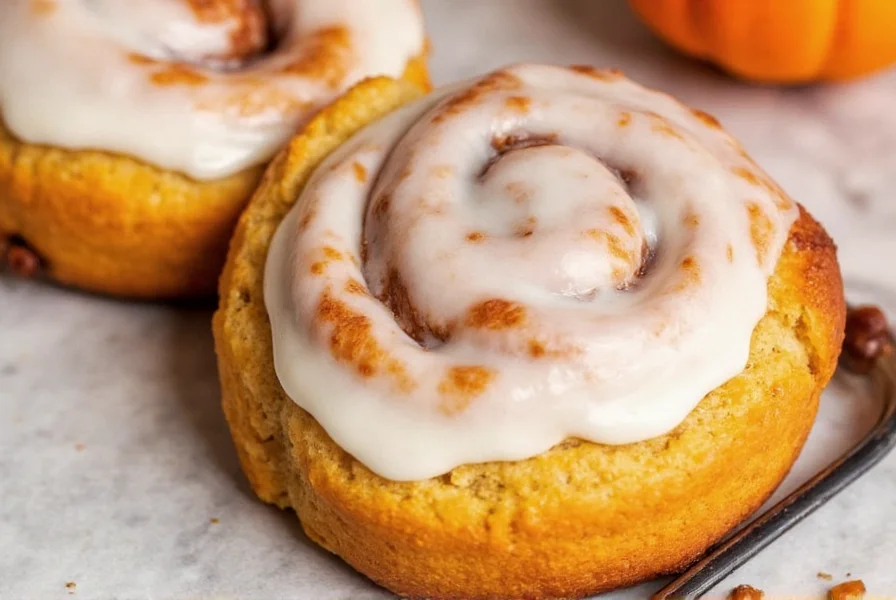
Critical Mistakes That Ruin Your Buns
Not gonna lie, I've wasted pounds of dough over this. First: never skip scalding the milk. Heating milk to 180°F then cooling it to 110°F kills enzymes that weaken gluten. Second: pumpkin puree must be room temp. Cold puree from the fridge? It'll shock your yeast straight into retirement. Third: filling application. Spread butter after the cinnamon-sugar mix—otherwise it turns into a sticky mess. Learned that the hard way during a holiday rush.
Sugar Reality Check
Let's address the elephant in the room. Even "lightened" recipes hit 18g sugar per bun. USDA data shows commercial versions average 24g—that's half your daily limit in one roll. My workaround? Use monk fruit sweetener in the filling (1:1 ratio) and skip icing sometimes. The Woks of Life's method proves texture stays perfect because pumpkin puree provides natural moisture. But be real: these aren't health food. Save them for special occasions like I do.
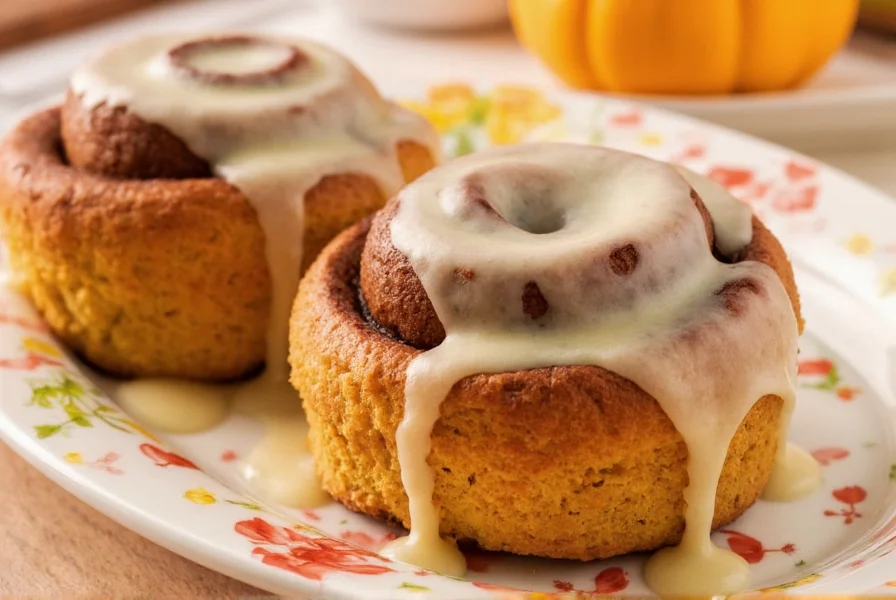
Pro Tips From Two Decades of Dough
Here's what nobody tells you: freeze shaped rolls for emergency baking. Pop them straight from freezer to pan—add 15 minutes proofing time. And that "pumpkin spice" blend? Skip store mixes. Make your own: 3 parts cinnamon, 2 parts ginger, 1 part each nutmeg and cloves. Freshly ground beats pre-mixed every time.
Oh, and storage? Room temp max 2 days. Fridge turns them gummy—trust me, I tested it three Thanksgivings running. Reheat single portions in oven at 300°F for 8 minutes. Microwave? Only if you enjoy sad, rubbery buns.
Everything You Need to Know
Homemade versions use 250g real pumpkin puree per batch for moisture, not flavor. Store-bought often contain minimal pumpkin (sometimes <5%)—check ingredients for "pumpkin puree" vs "pumpkin flavoring". The signature taste comes from cinnamon-spice blends.
Cut filling sugar by 1/3 and replace with equal monk fruit sweetener. Pumpkin puree's natural sugars and moisture compensate—tested across 12 batches. Never reduce sugar in dough; it feeds yeast. Store-bought can't be adjusted (Pillsbury averages 24g sugar per roll).
Three common culprits: 1) Proofing above 80°F killed yeast 2) Cold pumpkin puree shocked the dough 3) Under-kneaded (needs 10+ minutes after adding puree). Fix: Use thermometer for milk (110°F max) and room-temp ingredients. The Woks of Life's milk bread method prevents this.
Absolutely. Shape rolls, place in pan, cover tightly, and refrigerate overnight. Bake straight from fridge—add 20 minutes proofing time. Freezing works better than refrigeration for longer storage (up to 3 months). Never apply icing until fully cooled.
They avoid artificial flavors and hydrogenated oils (like Immaculate Baking's USDA Organic rolls), but sugar content remains high (24g/roll). Nutritionally similar to conventional—just cleaner ingredients. Cost is 30% higher. For true control, homemade wins.
More Articles
 Pot Roast Seasoning Guide: Essential Spices & Pro Tips
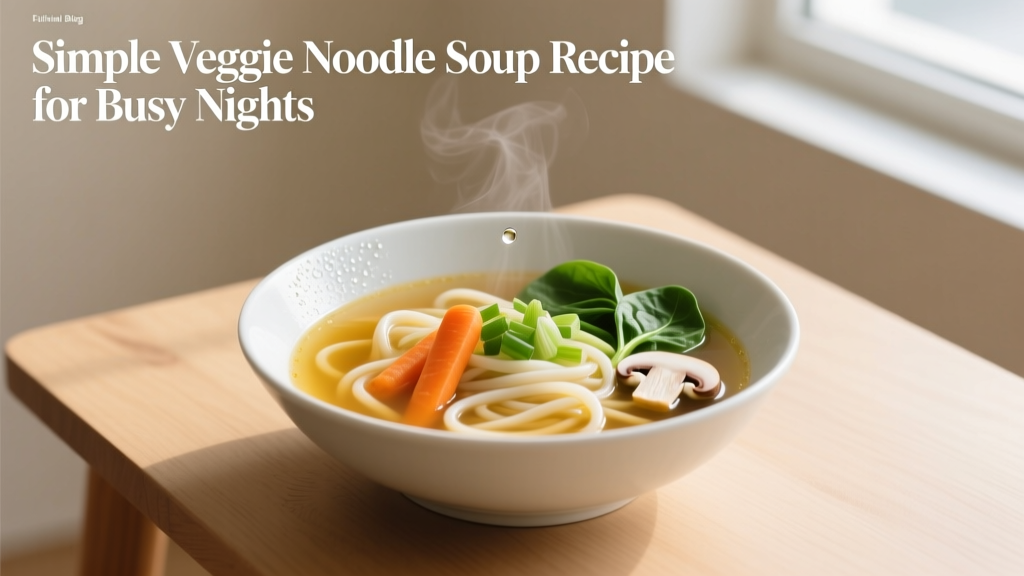 Simple Veggie Noodle Soup Recipe for Busy Nights
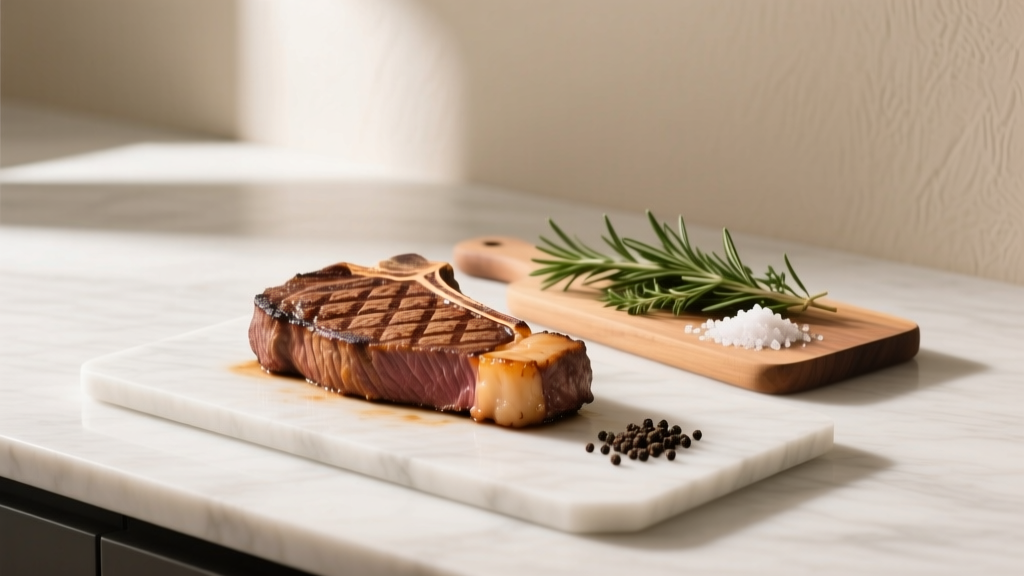 How to Season Beef: Simple Steps for Perfect Flavor
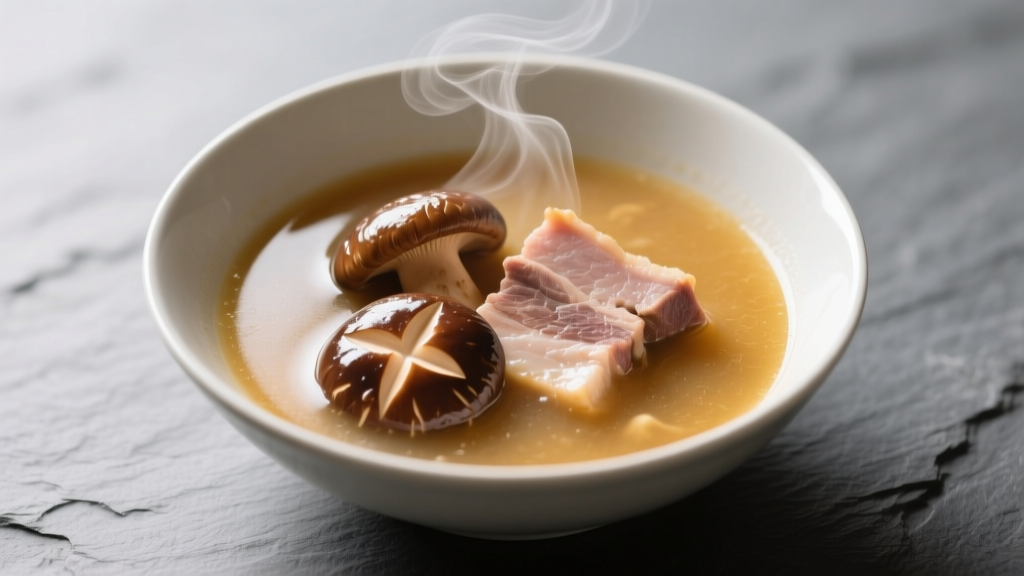 Pork Chop Mushroom Soup: Rich Recipe with Shiitake Boost
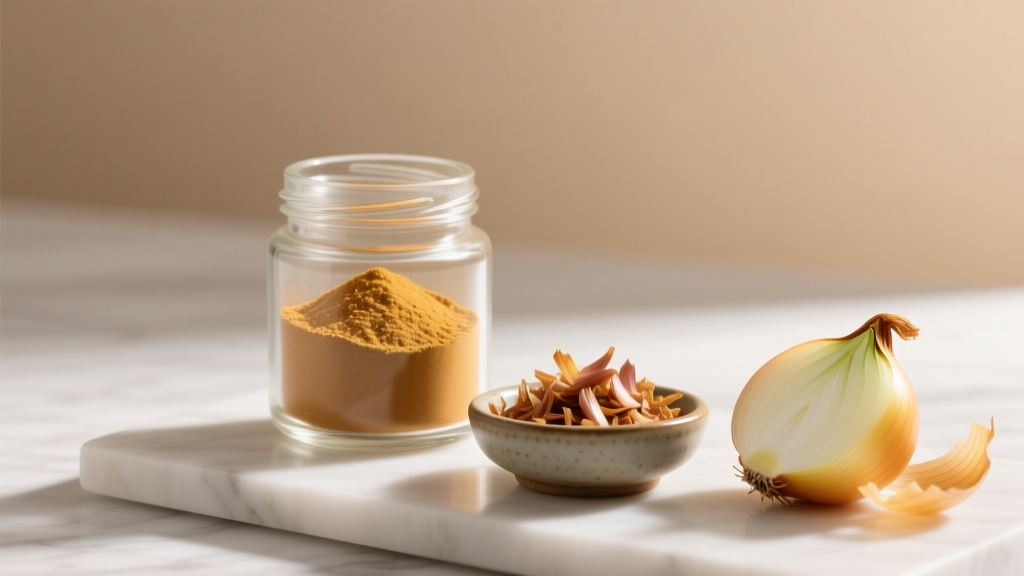 Onion Powder to Dried Minced Onion Ratio
 Shawarma Spices: Authentic Blend Guide (Not Schwarma)
 Lentil Soup Recipe: Simple Steps for Perfect Results
 Roasted Tomato Soup Recipe: Simple & Flavorful in 30 Minutes
 Sausage Breakfast Casserole: Easy Brunch Recipe
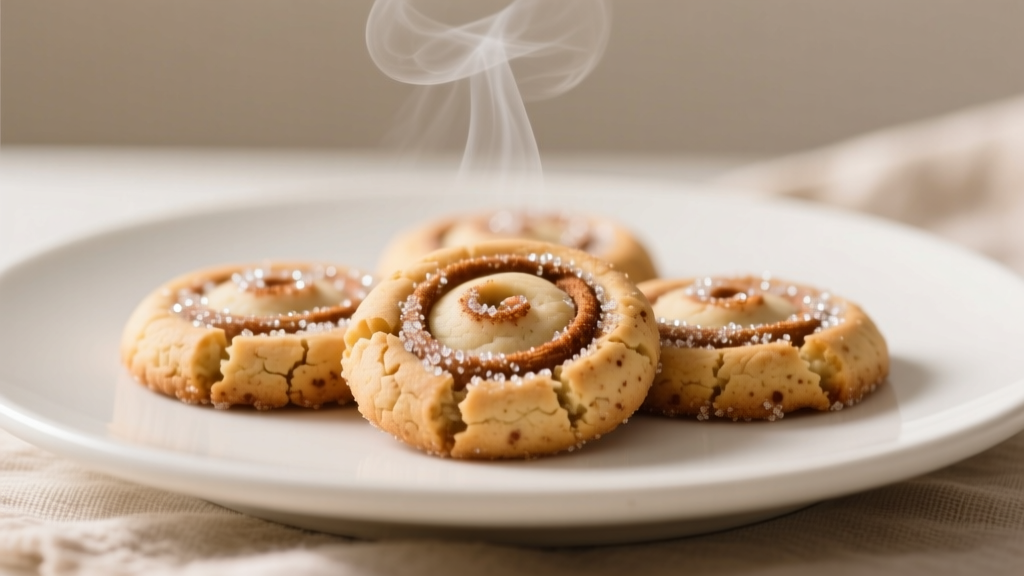 Perfect Cinnamon Sugar Cookies: Soft & Chewy Every Time