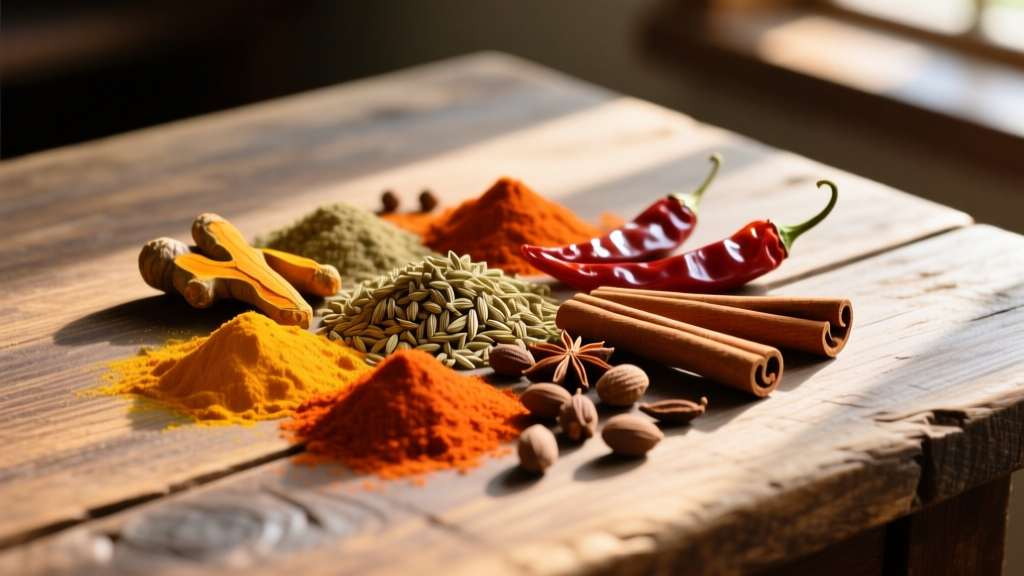
Label Spice Jars: A System That Lasts
Why Good Labels Matter
Clear, durable labels prevent cooking mistakes, help track freshness, and make your spice collection more efficient. Many cooks rely on memory and get confused by similar-looking spices.
Essential Label Information
Every spice jar label should include the spice name, date opened, and an optional expiration estimate. For blends, list key ingredients.
- Spice name in large, readable font
- Date opened or purchased
- Source or brand (helpful for reordering)
- For blends: ratio of key ingredients
Label Materials That Last
Paper labels absorb oil and become illegible within weeks. Use waterproof vinyl labels, or coat paper labels with clear packing tape as a protective overlay.
DIY Solutions
Write on masking tape with a permanent marker for a quick, cheap solution. Replace the tape every 6 months. Washi tape in different colors can color-code by cuisine type.
Placement Strategy
Label the side of the jar (visible in a rack) and the top of the lid (visible in a drawer). This dual-labeling approach covers all storage orientations.
Common Mistakes
Do not abbreviate spice names. Cumin and caraway both abbreviate to C. Paprika and parsley both start with P. Full names prevent costly cooking errors.
More Articles
 Cinnamon Toast Bars Recipe: Easy Homemade Baking Guide
 Freezing Spices: Does It Extend Life?
 Buttermilk Chicken Recipe: Crispy, Juicy Results Every Time
Label Your Spice Jars: Best Systems
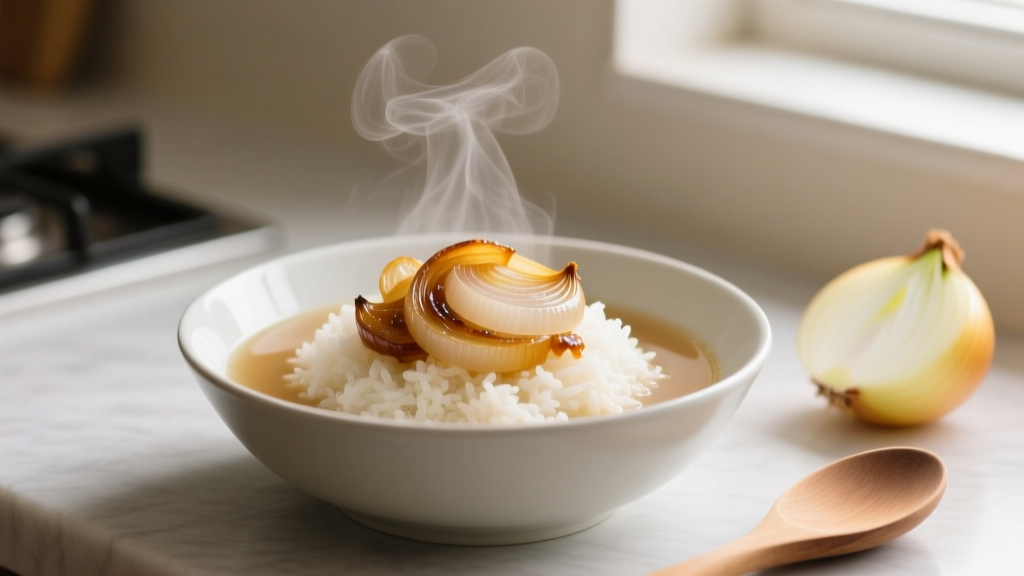 Onion Soup Rice: Recipe and When to Use It
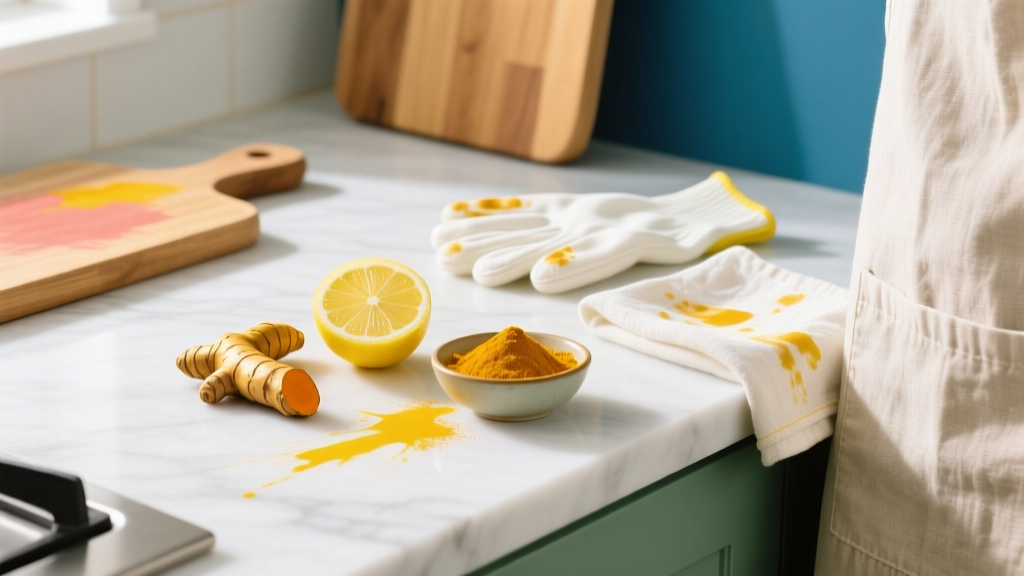 Turmeric Stains: 5 Prevention & Removal Tips
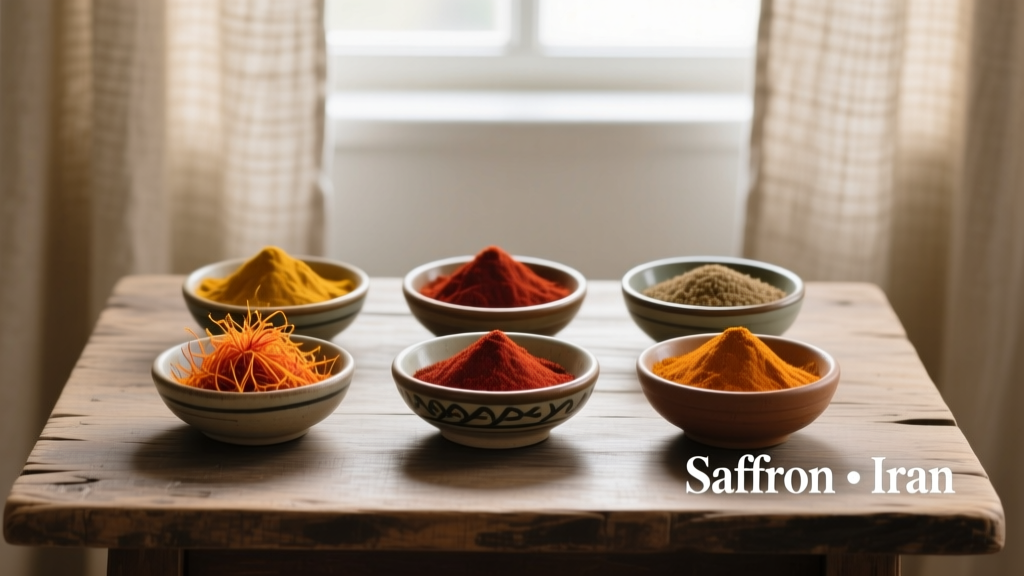 Best Global Spice Traditions for Spice Storage, Usage, and Flavor Integrity
 Lentil Soup Recipe: Simple Steps for Perfect Results
 Brown Sugar Decoded: Light vs Dark, Uses & Truths
 Black Pepper vs Cayenne Pepper: Key Differences Explained