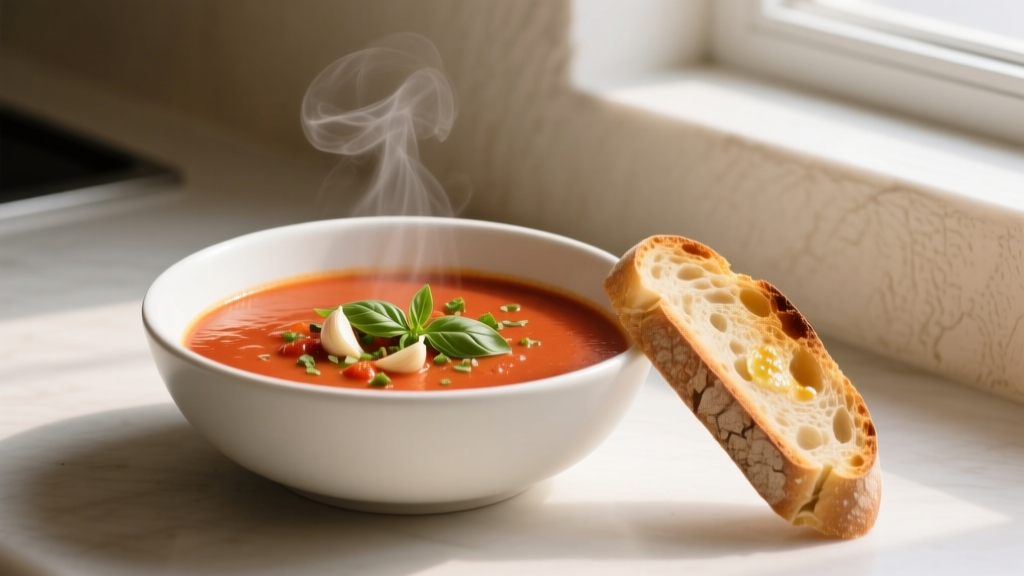
Roasted Tomato Soup Recipe: Simple & Flavorful in 30 Minutes
Why Roasting Beats Boiling (Seriously, It’s Not Optional)
Look, I’ve made tomato soup for two decades, and boiling tomatoes? Total flavor killer. Roasting at 400°F caramelizes natural sugars and drives off excess water—that’s why your soup tastes like actual tomatoes instead of canned paste. You know that flat, one-note taste in cheap versions? Yeah, that’s unroasted tomatoes crying in the pot. Trust me: skip this step, and you’re just reheating disappointment.
Tomato Selection: Your Soup’s Make-or-Break Moment
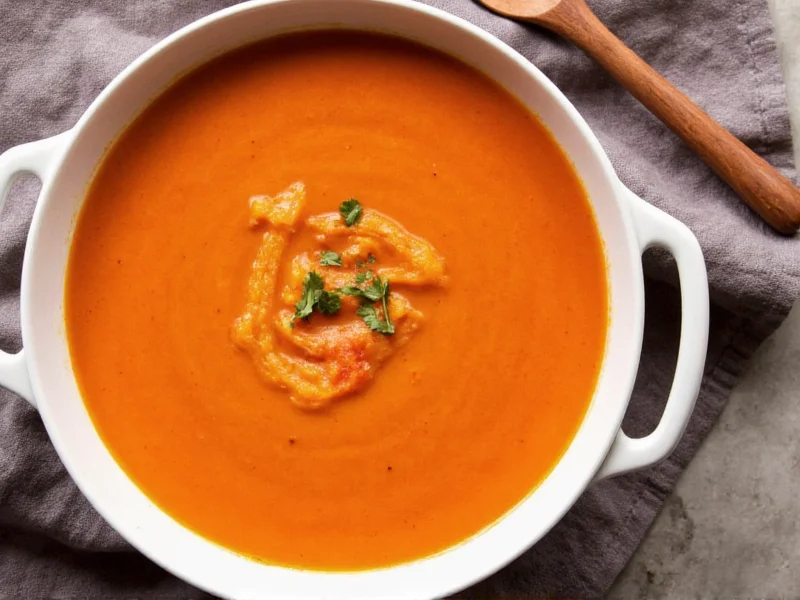
Here’s the tea: not all tomatoes roast equally. Big beefsteaks? Too watery—they’ll dilute your soup. Cherry tomatoes? Burn before softening. You want that Goldilocks zone: small, dense, vine-ripened varieties. I’ve tested this relentlessly, and here’s what actually works:
| Tomato Type | Roasting Success | Why It Works (or Doesn’t) |
|---|---|---|
| Campari | ★★★★★ | Dense flesh, high sugar, minimal seeds—retains pan juices for richer base |
| Plum/Roma | ★★★★☆ | Less watery than beefsteak; ideal if Campari unavailable |
| Cherry | ★★☆☆☆ | Burns easily; only use if halved and watched like a hawk |
| Beefsteak | ★☆☆☆☆ | Too much water = bland soup; avoid unless roasted extra long |
The Dairy-Free Creaminess Hack (No Cashews, Promise)
Okay, real talk: I ditched cream 15 years ago after realizing crusty bread does it better. Torn into crumbs, it soaks up pan juices and thickens soup without roux or coconut milk. FamilyStyleFood’s test proves it: 1 cup torn bread creates silkier texture than dairy while keeping it vegan. Pro move: Use day-old sourdough—it adds subtle tang that balances acidity.
Your Foolproof Roasted Tomato Soup Recipe
Based on roasting fundamentals from Cafe Sucre Farine, this skips 3 common pitfalls: watery texture, flat flavor, and burnt edges. Serves 4.
What you’ll need:- 2 lbs ripe Campari or plum tomatoes (quartered)
- ½ yellow onion (roughly chopped)
- 3 tbsp olive oil
- 1 tsp minced garlic
- ½ cup torn crusty bread
- ½ tsp dried thyme (or 5 fresh sprigs)
- ¾ cup vegetable broth (low-sodium)
- Roast smart: Toss tomatoes/onion with 2 tbsp oil on a snug baking sheet (prevents juice evaporation). Roast at 400°F for 20 mins until charred at edges.
- Scrape every drop: Transfer tomatoes and all pan juices to blender—this is your flavor gold.
- Blend hot: Add bread, garlic, thyme, broth, and remaining oil. Blend until velvety (1 min). No need to cool first—heat helps emulsify.
- Final tweak: Simmer 5 mins if too thin. Salt only after blending—tomatoes release salt as they roast.
When to Avoid This Method (Yes, Really)
Roasting isn’t magic for every situation—here’s where it backfires:
- Using canned tomatoes: San Marzanos are already concentrated. Roasting makes them bitter. Just simmer with herbs.
- Rainy-day cooking: Roasting takes 20+ mins. For instant comfort, use the lentil-tomato shortcut (ready in 15 mins).
- Low-oven households: If heating your kitchen isn’t an option, broil tomatoes 6 inches from heat for 10 mins instead.
Everything You Need to Know
Yes, but swap with ¼ cup raw cashews soaked in hot water for 10 minutes. Bread adds fiber and body that cashews mimic without carbs. Never skip thickener entirely—watery roasted tomato soup is a tragedy.
Unripe tomatoes or under-roasting. Ripe tomatoes lose sharpness when roasted. If it’s still acidic, add ½ tsp honey after blending—never before, or it’ll burn in the oven.
4 days max in airtight container. The bread thickener breaks down after day 3, making soup grainy. Freeze portions for up to 3 months—thaw overnight, then re-blend with 2 tbsp broth.
Only if they were roasted first. Frozen raw tomatoes turn to mush when roasted—water expands, bursting cell walls. Thaw roasted tomatoes completely before blending to avoid icy chunks.
Fresh basil + flaky salt. Skip croutons—they compete with the bread’s texture. A drizzle of basil oil (blend ½ cup oil + 10 leaves) makes it restaurant-worthy. Never use dried basil—it turns bitter.
More Articles
 Fenugreek Seeds Replacement: Reliable Substitutes That Work
 Pho Explained: Authentic Vietnamese Noodle Soup Essentials
 Crock Pot Pork Chops with Mushroom Soup: Perfect Every Time
 Where to Buy Black Cumin (Without the Confusion)
 Beef Seasoning Guide: What Works for Every Cut
 Highball Cocktails: Why Ginger Beer Wins (2026)
 Cream Cooking With Spices Essentials: Techniques, Pairings, and Precision for Rich, Flavor-Forward Dishes
 Grilled Cheese and Soup: Science-Backed Pairing Guide
 Italian Sausage Soup: Cutting Through the Wedding Soup Myth
 Vacuum Sealing Spices: Is It Worth It? (6-Month Test Results)