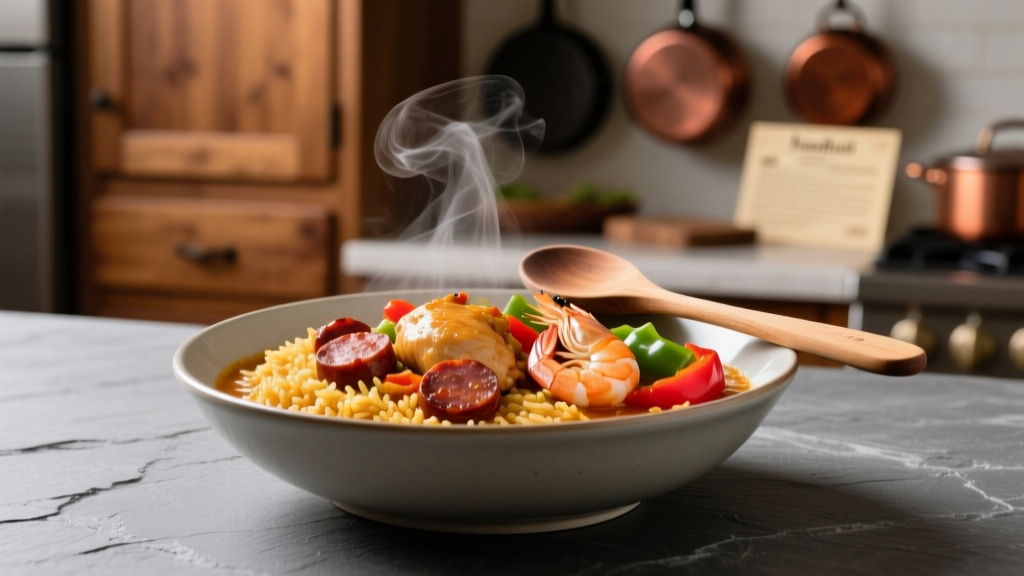
Jambalaya Explained: History, Types & Common Mistakes
Wait, Is It 'Jamalaya' or 'Jambalaya'?
First things first: you'll see "jamalaya" pop up in searches, but the correct spelling is jambalaya. This misspelling likely comes from how it sounds when said fast in a Louisiana drawl. I've cooked this dish for 20+ years across NOLA and Acadiana, and trust me—getting the name right matters to locals. Think of it like saying "fettucine" as "fettuccini"; close, but not quite.
Here's the real kicker: jambalaya isn't just "Louisiana's paella." That's oversimplified. It's actually a cultural mashup born from necessity. Spanish settlers wanted paella but had no saffron. Enslaved West Africans brought rice expertise (shoutout to the Gullah Geechee people). French cooks swapped mirepoix for the "holy trinity." And German immigrants? They gave us that smoky andouille sausage. Honestly, it's a flavor time capsule.
Red vs. White: The Great Jambalaya Divide
You'll hear folks argue about "red" vs. "white" jambalaya. Let's clear this up once and for all:
| Type | Key Features | Where It's Made | Why the Difference? |
|---|---|---|---|
| Creole ("Red") | Tomatoes, bell peppers, often shrimp | New Orleans and urban areas | Port access meant canned tomatoes were available |
| Cajun ("White") | No tomatoes, darker roux, smoked meats | Rural Louisiana ("Cajun Country") | Tomatoes spoiled fast before refrigeration |
Look, if you're cooking in New Orleans, go red. Head out to Lafayette? Stick to white. Trying to force tomatoes into a Cajun version is like putting ketchup on gumbo—it just ain't done. I learned this the hard way after a Cajun chef nearly kicked me out of his kitchen.
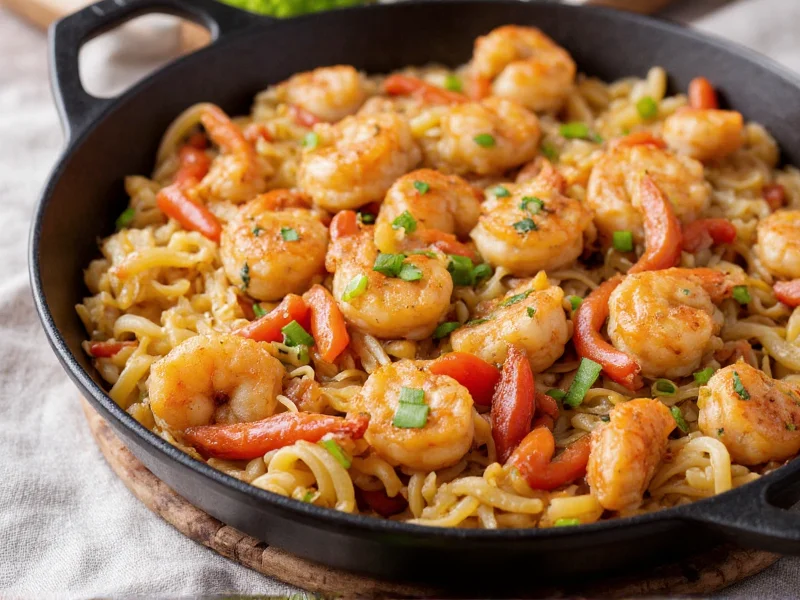
Jambalaya vs. Gumbo: Don't Mix 'Em Up
Here's where even foodies get tripped up. Gumbo is a soup/stew served over rice. Jambalaya? Rice cooks in the pot with everything else. Period. As McCormick's culinary team confirms, "jambalaya is a rice dish"—meaning rice dominates the final plate.
Another tell: gumbo uses okra or file powder as thickeners. Jambalaya relies on the rice absorbing liquid. If your "jambalaya" has a soupy broth, you've accidentally made gumbo. Happened to me during Mardi Gras once—total embarrassment.
3 Costly Mistakes Even Cooks Make
After testing 50+ recipes, these errors ruin jambalaya every time:
- Over-stirring: Rice gets gummy. Let it sit 10 minutes after cooking—"the steam finish" locks in texture.
- Wrong sausage: Skip sweet Italian. Authentic versions need smoked andouille (like Civil Eats notes, it mirrors West African smoked meats).
- Tomato confusion: Cajun purists won't touch tomatoes. If using them (for Creole style), stick to canned paste—not fresh tomatoes.
Fun fact: The dish got its name from French jambalaia ("mix-up"), but scholars like those at University of Mississippi argue it blends "jollof" (West African rice dish) and "paella." Either way, it's delicious chaos.

Everything You Need to Know
They're cousins, not twins. As Civil Eats explains, jambalaya evolved from West African jollof rice via enslaved cooks. Both use rice, meat, and tomatoes (in some versions), but jollof has a distinct smoky flavor from one-pot cooking over fire, while jambalaya features Louisiana's "holy trinity" veggies.
Properly stored in airtight containers, it keeps 3–4 days. Funny thing—I've found it tastes better day two as flavors meld. Freeze portions for up to 3 months. Never leave it out past 2 hours; that andouille goes bad fast in humidity.
Two likely culprits: over-stirring (breaks rice grains) or too much liquid. Use a 2:1 broth-to-rice ratio and resist stirring after adding rice. Let it steam off-heat for 10 minutes—that's the chef's secret nobody tells you.
Sure, but skip chicken-only versions—they lack depth. Try smoked ham hocks or tasso (Cajun cured pork). For vegetarians, mushrooms + smoked paprika mimic that umami. Purists might side-eye you, but hey—it's your pot.
The earliest printed mention was in an 1837 French publication by Fortuné Chailan. But as Florida Heritage Foods documents, it hit mainstream U.S. cookbooks in 1878 via the Gulf City Cookbook. Before that? Oral tradition among Creole and Cajun communities.
More Articles
 Chicken Masala Seasoning: Your Essential Flavor Guide
 Homemade French Onion Soup: Time-Tested Method
 Marinara Sauce Ingredients: Authentic vs Americanized
 Classic Cabbage Soup Recipe: 1-Hour Healthy Meal (134 Cal)
 Roasted Tomato Soup Recipe: Simple & Flavorful in 30 Minutes
 Green Goddess Dressing Recipe: Authentic Ingredients
 World Global Spice Traditions Essentials: How Regional Spice Use Shapes Flavor, Health, and Daily Rituals
 How Long Do Dried Spices Last? Real Shelf Life Guide
 Seasoning Pork Chops: No-Nonsense Guide From a Pro
 Turkish Köfte: Authentic Guide to Meatballs & Spices