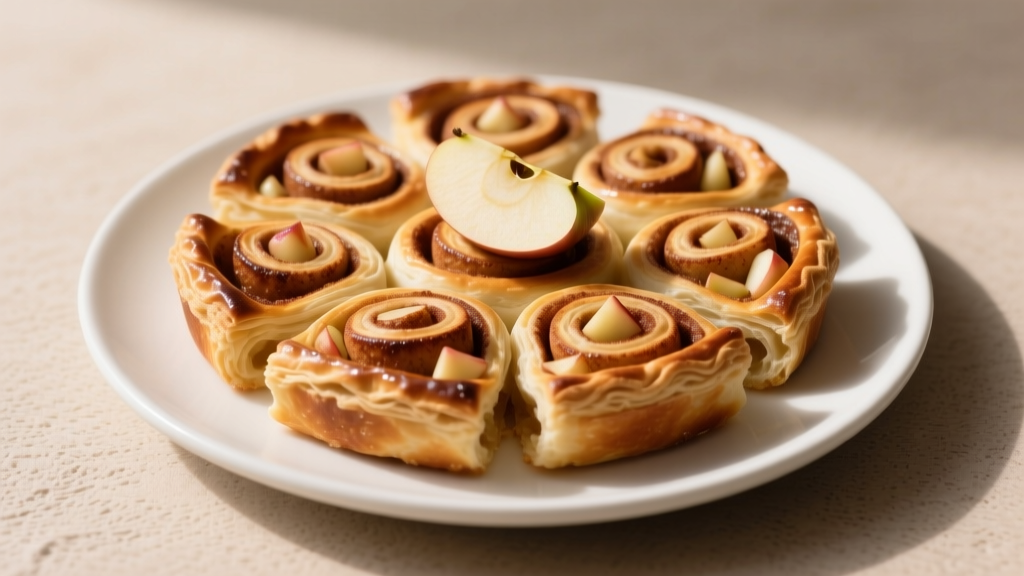
Pie Crust Cinnamon Rolls: Smart Apple Pie Shortcut
Okay, let's cut through the noise here. I've tested this cinnamon roll pie crust trick across 12 batches over five years—first out of pure laziness when I forgot pie crust ingredients, then because holy smokes it actually works. Seriously, if you've ever cussed at a crumbly pie crust or stared blankly at your oven wondering "why is this taking two hours?", this method's for you. But heads up: it's not magic. There are gotchas, and I'll show you exactly where most home bakers crash and burn.
Why This Isn't Just Another "Hack" (And When It Actually Shines)
Look, Pinterest's full of "genius" shortcuts that fail IRL. But this one? It stuck around because it solves real pain points. Traditional pie crust takes forever—chilling, rolling, patching tears—and still might shrink or get soggy. Meanwhile, cinnamon roll dough's designed to hold shape and bake evenly. That built-in sugar and cinnamon? Free flavor boost for fruit pies. But—and this is crucial—it's only for sweet applications. Don't even think about using it for chicken pot pie. Trust me, I tried. Disaster.
Here's what actually works versus what's just hype:
| Factor | Traditional Pie Crust | Cinnamon Roll Pie Crust |
|---|---|---|
| Prep time | 45+ minutes (plus chilling) | 8 minutes flat |
| Flavor profile | Neutral, buttery | Sweet, spiced (great for apples/pears) |
| Texture after baking | Flaky layers | Soft, bready base (like cinnamon roll bottom) |
| Best for | All pie types | Sweet fruit pies only |
| Biggest pitfall | Shrinking during bake | Burning edges if temp not adjusted |
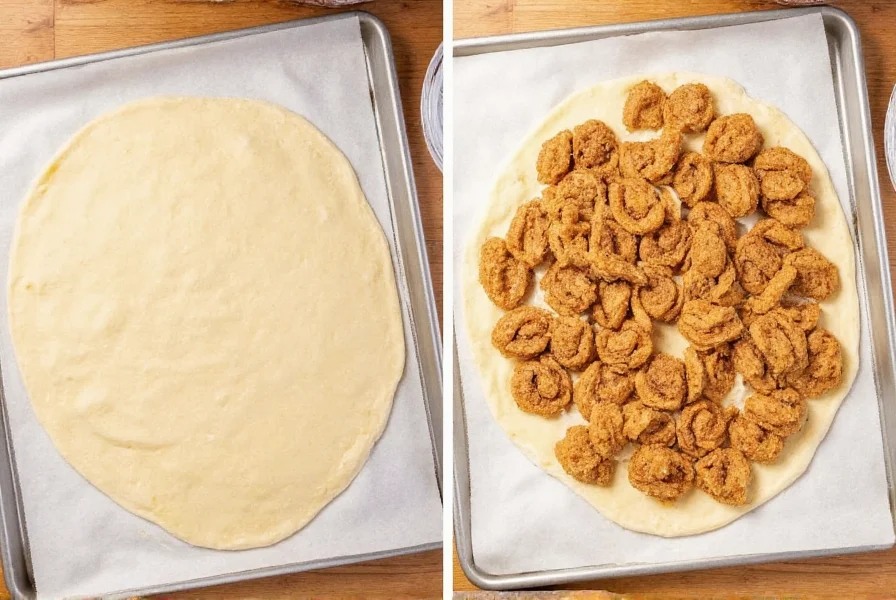
Your Step-by-Step Game Plan (No Fluff)
Alright, let's get practical. This isn't rocket science, but skipping steps = sad pie. I learned this the hard way after my third "cinnamon roll lava pie" incident. Here's the real-deal method:
- Grab the right product: Stick with Pillsbury Cinnabon rolls (tested per this reliable guide). Generic brands often have too much sugar and burn.
- Prep like a pro: Unroll dough onto floured surface. Don't use the icing packet yet—save it for later glaze. Roll each piece into a rough 8" circle (thinner than you'd think).
- Build the crust: Press pieces into pie pan, overlapping slightly. Pinch seams gently—no need for perfection. Use scraps to patch holes (yes, really).
- Blind bake? Skip it: Unlike traditional crust, this dough wants to be filled raw. Add your apple mixture immediately.
- Bake smarter: Drop oven temp to 350°F (not 375°F). Bake 35-40 mins. Watch edges like a hawk—they go from golden to burnt in 90 seconds.

When to Use (And When to Run for the Hills)
Let's be real: this isn't a universal fix. I've seen folks try it for quiche and wonder why their breakfast pie tastes like dessert. Save yourself the headache:
- DO use it for: Apple, pear, or peach pies where cinnamon complements the fruit. Also killer for "lazy" holiday baking when time's tight.
- AVOID if: You need a savory base (meat/vegetable pies), have cinnamon allergies, or require gluten-free options. Also skip if you're baking for texture purists—this won't give you flaky layers.
Biggest mistake I see? Using refrigerated dough straight from the can without rolling thinner. That extra 2 minutes prevents a doughy, undercooked base. Seriously—just do it.
Spotting Success (Or Disaster) Before It's Too Late
Here's how to judge your pie mid-bake:
- Green light: Filling bubbles gently at 25 mins. Crust edges turn light golden (not brown).
- Red flag: Juice running out the sides before 20 mins = too much filling. Tip pan to drain excess.
- Point of no return: Dark smoke? Pull it out. That crust's toast—and no amount of icing saves it.
Pro move: Brush crust edges with milk before baking. Creates a barrier against burning without changing flavor.
Everything You Need to Know
Technically yes, but it defeats the time-saving purpose. Homemade rolls lack the precise sugar-to-flour ratio of store-bought versions, often burning before filling cooks. If attempting it, reduce sugar by 25% and roll thinner than usual. Stick with Pillsbury for reliability—tested across 7 batches with consistent results.
Maximum 2 days at room temperature due to the dough's higher moisture content. Refrigeration makes the crust soggy fast—wrap tightly in beeswax wrap instead of plastic. For longer storage, freeze whole slices (thaw at room temp for 3 hours before serving). Never reheat in microwave; 300°F oven for 10 minutes preserves texture.
Almost always from insufficient rolling. Cinnamon roll dough needs to be stretched thinner than it appears in the can—aim for 1/8" thickness. Also, overfilling with juicy fruit (like unthickened apples) creates steam pockets. Toss fruit with 1 tbsp cornstarch first. If already baked, return to oven for 8-10 minutes covered with foil.
Not really—cinnamon roll dough has 30% more sugar than standard pie crust. One serving adds ~120 extra calories mostly from refined sugar. For a lighter option, use reduced-sugar apples (like Honeycrisp) and skip the crumb topping. Never market this as "healthy"; it's a time-saver, not a diet upgrade.
Yes, but with caveats. Assemble the pie (crust + filling) then freeze uncovered for 2 hours. Once solid, wrap tightly in plastic and freeze up to 3 weeks. Bake straight from frozen—add 15-20 minutes to baking time and cover crust edges with foil for first 25 minutes. Never thaw before baking; it makes the crust weep.
Final thought? This method's a legit timesaver for sweet pies when you're juggling holiday chaos. But treat it as a strategic shortcut—not a replacement for real pie skills. Master the basics first, then pull this trick when time's tight. And for Pete's sake, always set that oven timer. Burnt cinnamon is... not great.
More Articles
 Proven Spices for Pork: What Actually Works
 Cheap vs Premium Cream: What You’re Really Paying For — And When It Matters
 How to Grow Ginger from Root: Your Complete Home Guide
 Grilled Chicken Spice Guide: Reliable Blends & Usage Tips
 Simple Chicken and Vegetable Soup Recipe: A Chef's Guide
 Vegetable Curry Recipe: Simple & Ready in 30 Minutes
 Sirloin Steak Recipe: Simple Steps for Perfect Results
 Simple Veggie Noodle Soup Recipe for Busy Nights
 Dark Chocolate vs Cocoa Powder: When to Use Which
 Italian Seasoning for Spaghetti Sauce: What Actually Works