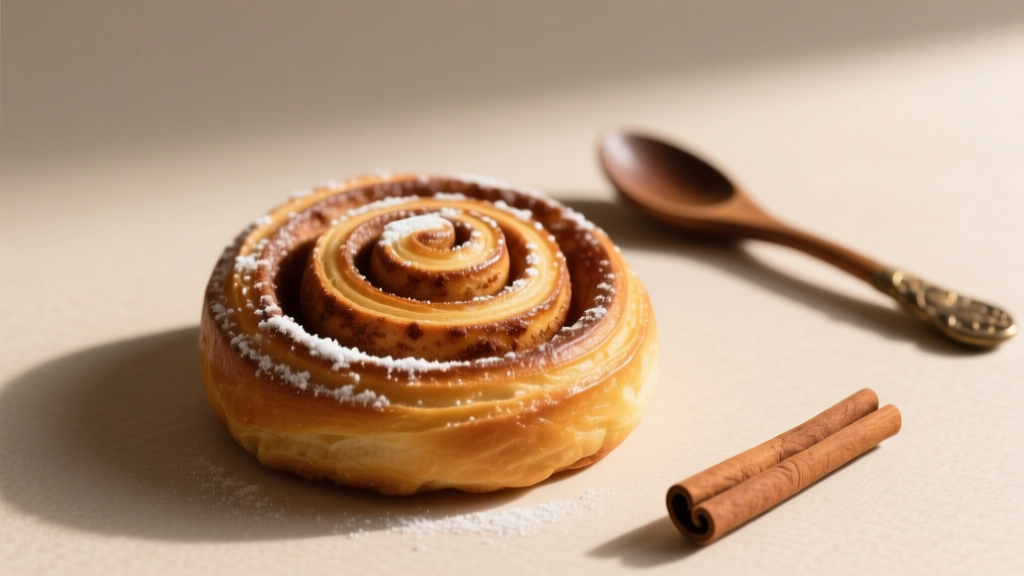
Cinnamon Swirls: Origins, Variations & When to Use Each
From Ancient Spice to Modern Staple
Let's be real – when you smell that warm cinnamon aroma baking, it's hard to believe this treat started as a luxury reserved for Egyptian pharaohs. Cinnamon's journey from embalming spice to pantry staple took centuries. But the cinnamon swirl technique as we know it? That's a 20th-century innovation. Swedish bakers in the 1920s post-WWI era perfected the rolled bun during economic recovery, creating what's now considered the gold standard: the kanelbulle.
Fast forward to 1950s America – Pillsbury's ready-to-bake cinnamon rolls hit shelves, then Cinnabon exploded in the 1980s with their signature gooey frosting. Honestly, this is where things got... well, different. The American version ballooned in size and sweetness, swapping pearl sugar for cream cheese frosting. Meanwhile, Swedes kept their tradition intact – light, cardamom-kissed buns baked at high heat for that perfect crisp exterior.
Global Swirls: More Than Just a Recipe
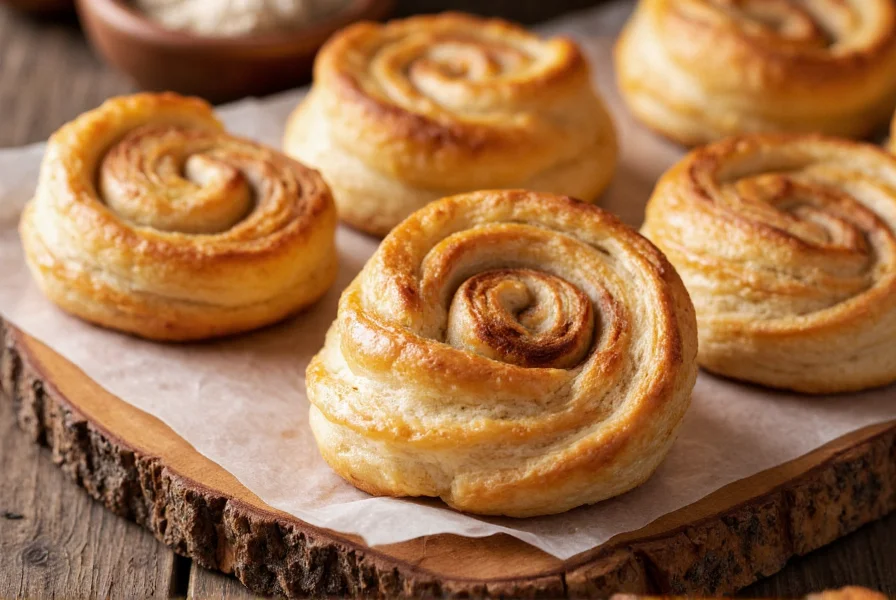
You'll notice huge differences depending on where you try them. Take Finland's korvapuusti – those little 'slap cakes' are rolled tighter with raisins. Germany's Zimtschnecke ('cinnamon snail') uses yeast dough with a sticky caramel topping. But the real eye-opener? Sweden's fika culture – that sacred coffee break where kanelbulle consumption hits 300+ per person yearly.
| Region | Key Characteristics | Calorie Count | Cultural Context |
|---|---|---|---|
| Sweden | Cardamom in dough, pearl sugar topping, no frosting | ~115 cal | National Cinnamon Bun Day (Oct 4); fika tradition |
| Finland | Tighter roll, often with raisins, cardamom | ~130 cal | Served with coffee, named 'ear slapper' |
| Germany | Sticky caramel topping, yeast dough | ~250 cal | Street food staple since 19th century |
| USA | Cream cheese frosting, larger size, sweeter filling | ~730 cal | Popularized by Cinnabon (1985+) |
When to Use (or Avoid) Each Style
Here's where things get practical. If you're baking for a Scandinavian-themed brunch? Always go authentic Swedish. That cardamom-pearl sugar combo screams tradition. But honestly – for kids' birthday parties? The American version wins every time. That cream cheese frosting is pure crowd-pleaser material.
Watch out for these pitfalls though:
- Avoid Swedish style when feeding sugar-craving crowds – the subtlety gets lost
- Don't use American frosting on Finnish korvapuusti – it drowns the delicate spice
- Never skip resting the dough – Swedish bakers take 12+ hours for proper texture
Spotting Quality: Beyond the Hype
Let's cut through the noise. Real kanelbulle should have:
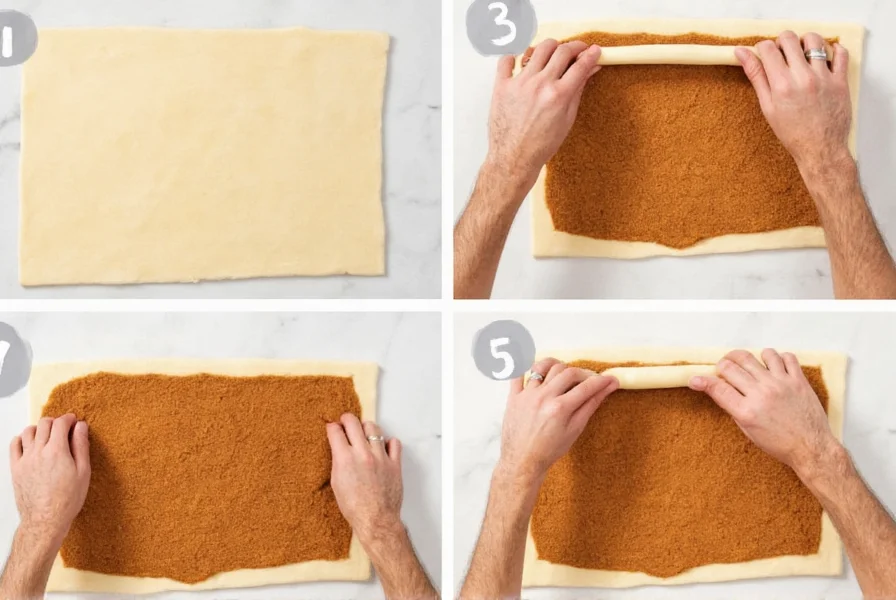
- Visible, uneven cinnamon swirls (machine-rolled are too perfect)
- Crackly pearl sugar crust, not melted icing
- Faint cardamom scent beneath the cinnamon
Market traps to avoid:
- 'Swedish-style' labels with cream cheese frosting (red flag!)
- Buns claiming 'traditional recipe' but baked under 10 minutes
- Pre-sliced rolls – authentic ones are sold whole for freshness
Pro tip: Check ingredient lists. Swedish versions list "kanel och socker" (cinnamon and sugar) – if you see 'natural flavors' or 'spice blend', it's not authentic. For deeper context, Butter & Crust's history of cinnamon buns details how Swedish bakers standardized the recipe during post-WWI recovery.
Everything You Need to Know
No. "Cinnamon swirls" refers to the technique of rolling filling into dough, used globally. "Cinnamon rolls" specifically describes the Americanized version – larger, sweeter, with cream cheese frosting. Swedish kanelbulle (the original) is smaller, contains cardamom, and uses pearl sugar instead of frosting.
Cardamom was historically more accessible than cinnamon in Scandinavia. Swedish bakers incorporated it into dough for complexity, creating a balanced flavor profile that prevents the cinnamon from overwhelming the palate. This tradition remains mandatory for authentic kanelbulle certified by Sweden's Kanelbulle Academy.
Never refrigerate – it dries them out. For same-day freshness, cover loosely with cloth. To keep beyond 24 hours: freeze whole buns on a tray, then transfer to airtight bags. Reheat frozen buns at 300°F for 8-10 minutes. Avoid plastic wrap while warm – steam creates sogginess. Swedish fika tradition serves them within 4 hours of baking.
Absolutely. Traditional Swedish kanelbulle clocks in at 115 calories versus American's 730. For DIY: use whole wheat pastry flour, reduce sugar by 30%, and skip frosting. Not Your Grams Kitchen confirms authentic Swedish versions contain no artificial ingredients – just flour, butter, yeast, cinnamon, sugar and cardamom.
Established in 1999 by Sweden's Kanelbulle Academy, October 4th (Kanelbullens dag) preserves baking traditions threatened by industrialization. As detailed in Eating American Literature, the day combats mass-produced versions by promoting authentic methods – like the 12+ hour proofing required for proper texture. Swedes consume over 300 buns yearly through fika coffee breaks, making this cultural heritage worth protecting.
More Articles
 Best Cooking With Spices for Chef: Precision, Timing, and Proven Techniques
 Best Spice Grinder: Electric vs Manual — Which One to Buy
 Red Beans and Rice with Sausage: The Real Louisiana Method
 Chilli Recipe with Beans: Practical Guide No Drama
 Crock Pot Pork Chops with Mushroom Soup: Perfect Every Time
 Easy Potato Soup Recipe: Simple & Creamy in 30 Minutes
 Buttermilk Chicken Recipe: Crispy, Juicy Results Every Time
 Foolproof Alternatives to Common Spice Substitutions—Explained with Precision
 Minute Storage Ideas: Smart, Space-Saving Spice Solutions That Take Under 60 Seconds
 Fenugreek Leaf Substitutes: Real Kitchen Solutions