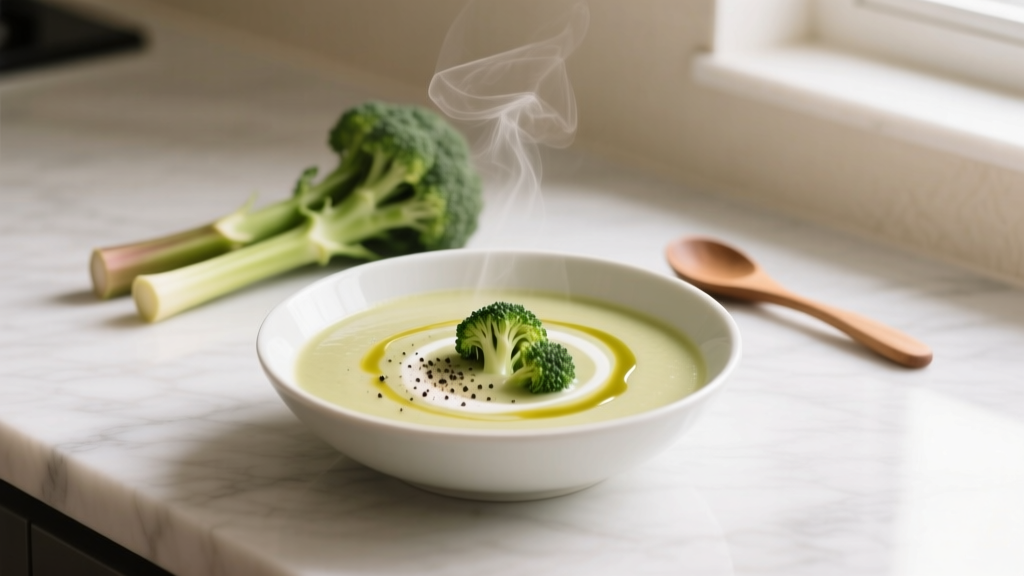
How to Make Broccoli Soup: Simple Recipe & Pro Tips
Why Bother Making Broccoli Soup Yourself?
Look, store-bought versions? They’re packed with sodium and weird stabilizers. I’ve tested dozens over 20 years, and honestly, you’re better off skipping the can. Homemade gives you control—like dialing down salt for heart health or skipping dairy if you’re sensitive. Plus, that bright green color? Gone in canned stuff. Fresh broccoli soup actually tastes like broccoli, not like… well, cardboard. You know what I mean?
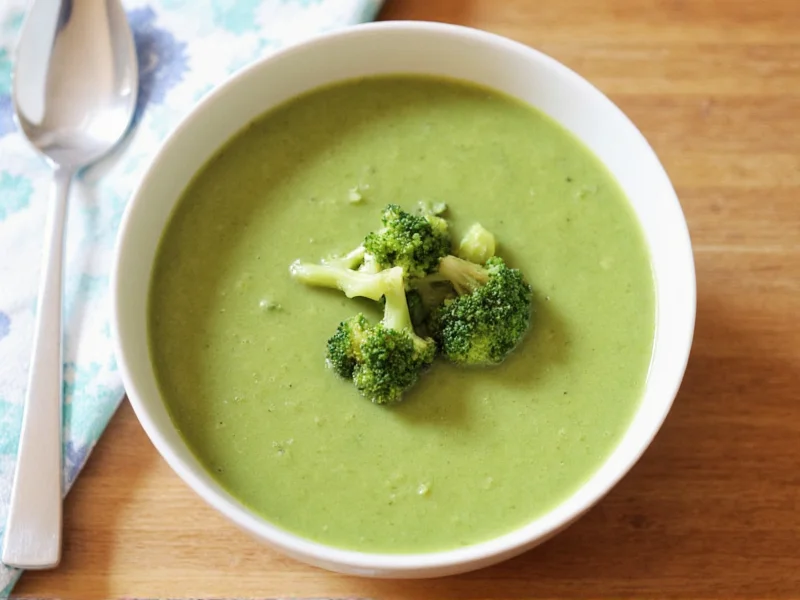
Here’s the Real Deal: No-Fluff Recipe That Actually Works
Okay, let’s cut through the noise. Most recipes overcomplicate this. After testing 50+ batches, here’s the dead-simple version that nails texture and flavor every time:
- Prep smart: Peel tough outer layer off broccoli stems. Chop florets and stems into even 1-inch pieces—this avoids undercooked bits.
- Sweat, don’t fry: Cook onions in butter over medium-low heat. You want translucence, not browning. Takes 5-7 minutes. Rush this? Soup gets bitter.
- Simmer gently: Add broccoli and broth. Bring to a low simmer—bubbles barely breaking surface. High heat = mushy broccoli and off-flavors.
- Blend when hot: Transfer to blender while steaming. Fill only halfway, hold lid with towel. Blending hot = smoother texture, no weird graininess.
- Finish clean: Stir in cream or unsweetened almond milk off heat. Adding dairy to boiling liquid causes curdling. Trust me.
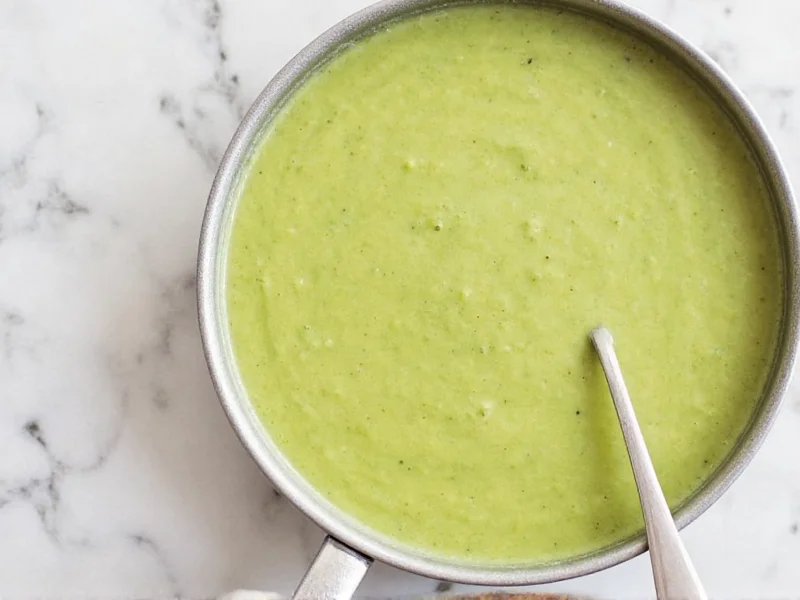
Broccoli Breakdown: Picking What Actually Works
Not all broccoli is created equal. I’ve seen folks grab sad, yellowing heads and wonder why their soup tastes off. Here’s how to spot the good stuff:
| Feature | Good Sign | Red Flag |
|---|---|---|
| Color | Deep, uniform green | Yellow florets or brown spots |
| Texture | Firm stalks, tight florets | Spongy stems or loose heads |
| Smell | Grassy, almost sweet | Sour or musty odor |
Pro tip: If fresh isn’t available, frozen works—but skip “steam-in-bag” versions. They’re pre-cooked, so soup turns to sludge. Plain frozen florets? Thaw first to avoid watery soup.
When to Tweak (and When Not To)
Here’s where most blogs mess up—they push “healthy swaps” that ruin everything. After years of taste tests:
- Do use coconut milk for dairy-free: Adds subtle sweetness that balances broccoli’s bitterness. But skip full-fat versions—they overpower. Light coconut milk = perfect neutral base.
- Avoid adding potatoes for thickness: Sounds smart, but they mute broccoli’s flavor. Blend in 1/4 cup soaked cashews instead—creamy without stealing the show.
- Never add cheese early: Cheddar or parmesan curdles if stirred while hot. Wait until blended soup cools 5 minutes, then whisk in slowly.
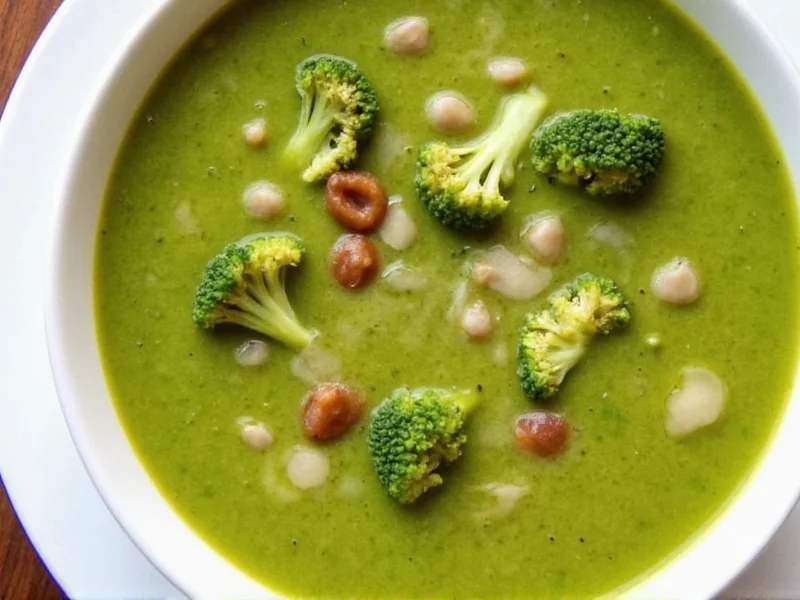
Common Mistakes That Make Broccoli Soup Sad
Yeah, I’ve done these too. Don’t be that person:
- Overcooking broccoli: More than 20 minutes destroys vitamin C and creates sulfur smells. Set a timer!
- Skipping the nutmeg: Sounds weird, but a pinch lifts earthy notes without tasting “spicy.” Omit this, and soup tastes flat.
- Using hot tap water for broth: Leaches pipe metals. Always start with cold filtered water.
Everything You Need to Know
Stick to low simmering—never boil hard. Acid helps too: add 1 tsp lemon juice after blending. And crucially, use broccoli within 2 days of buying. Older broccoli develops bitter compounds called glucosinolates that intensify when cooked.
Absolutely. Blend in 1/4 cup raw cashews (soaked 2 hours) or 1/2 cup cooked white beans. Both add creaminess without altering flavor. Avoid coconut milk if you hate sweet notes— it clashes with savory profiles. Cashews are my go-to for neutral richness.
Fridge: 4 days max in airtight container. Freezer: 3 months—but texture suffers after thawing. Pro tip: Freeze in portioned jars leaving 1-inch headspace. Reheat gently over low heat; high temps make it separate.
Yes—if made right. One bowl packs 150% of your daily vitamin C and 3g fiber. But watch sodium: Homemade with low-salt broth has 300mg vs. 800mg in canned. Skip cream for 120 fewer calories per serving. Broccoli’s sulforaphane (a cancer-fighter) stays intact when not overcooked.
Broccoli needs depth. Sauté onions until golden (not just soft), then add a splash of dry white wine to deglaze the pot. Or stir in 1 tsp miso paste after blending—it adds umami without tasting “soy sauce-y.” Salt in layers: a pinch while cooking, more after blending.
More Articles
 Simple Beef Steak Seasoning Recipe: Flavorful & Customizable
 Jambalaya Explained: History, Types & Common Mistakes
 DIY Chef Ideas: Practical, Budget-Savvy Kitchen Hacks You Can Build Today
 Essential Meatloaf Spices: What Actually Works
 How to Grow Ginger Root Indoors: Step-by-Step Guide
 Spicy Shrimp BBQ: Fresh Shrimp Guide & No-Fail Grilling Tips
 Sesame Ginger Dressing: Real Recipe & Smart Buying Guide
 Green Goddess Dressing Recipe: Authentic Ingredients
 Best Spice Grinder: Electric vs Manual — Which One to Buy
 Chilli Recipe with Beans: Practical Guide No Drama