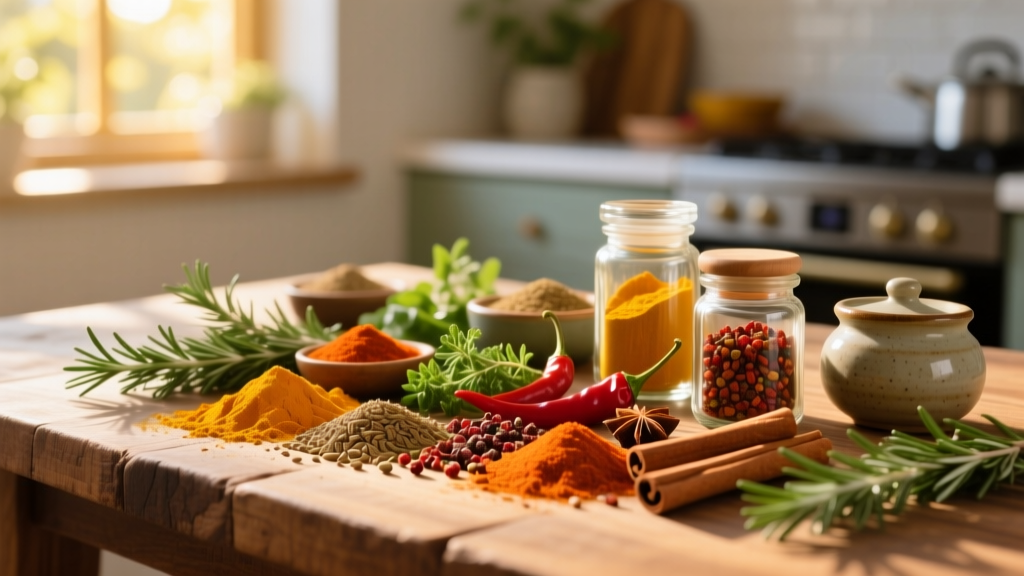
Star Anise vs Anise Seed: Key Differences
Two Spices, Similar Names, Different Origins
Star anise (Illicium verum) and anise seed (Pimpinella anisum) share a similar licorice-like flavor but come from completely different plant families. Understanding their differences helps you choose the right spice for each recipe and avoid costly substitution mistakes.
Botanical Differences
Star anise is the fruit of an evergreen tree native to southern China and Vietnam. It grows as a star-shaped pod containing 8 seeds. Anise seed comes from a flowering herb in the Apiaceae family (related to carrots and parsley), native to the Mediterranean region. The seeds are small, oval, and ridged.
Flavor Comparison
Both contain anethole, the compound responsible for their shared licorice flavor. However, star anise has a stronger, more complex profile with hints of cinnamon and clove. Anise seed is sweeter and more delicate. In cooking, star anise stands up to long braising times while anise seed works better in baking and beverages.
Culinary Applications
- Star anise: Chinese five-spice, Vietnamese pho, mulled wine, braised meats
- Anise seed: Italian biscotti, Greek ouzo, German Springerle cookies, fish dishes
Substitution Guide
You can substitute one for the other with adjustments. Use 1 star anise pod = 1/2 teaspoon anise seeds + pinch of Chinese five-spice. For anise-to-star-anise: use 1.5x the amount of anise seeds and reduce cooking time to preserve the more delicate flavor.
Medicinal Uses
Star anise is the source of shikimic acid, used to manufacture Tamiflu (oseltamivir) antiviral medication. Anise seed has traditional uses as an expectorant and digestive aid. Both are used in traditional Chinese medicine and European herbalism.
Storage Tips
Star anise keeps its flavor for 2+ years in whole form. Anise seed loses potency faster — use within 12 months. Store both in airtight containers away from heat and light.
More Articles
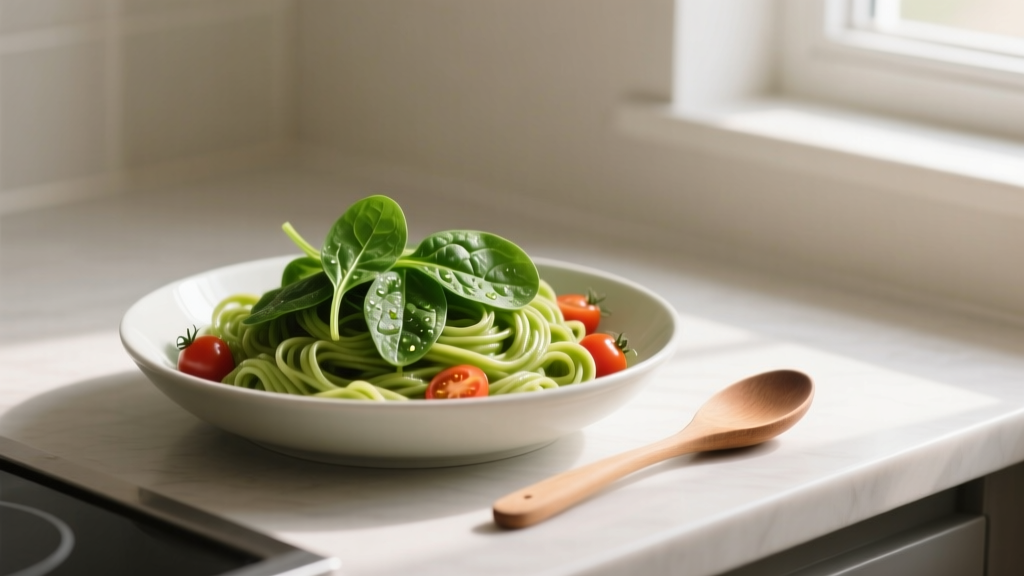 Spinach Dishes: Quick Weeknight Meals (2026)
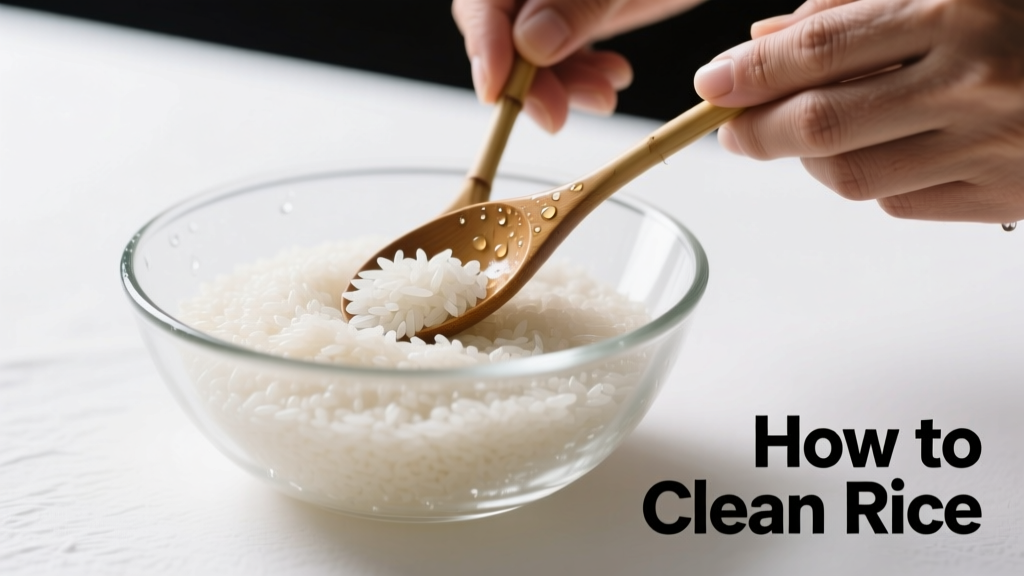 How To Clean Rice: Science, Technique, and Culinary Best Practices
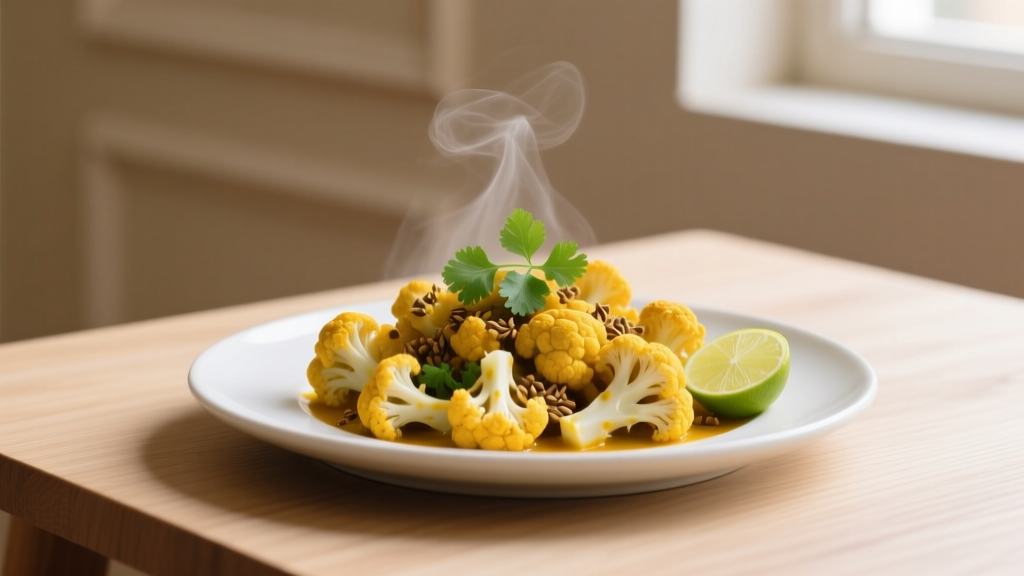 Indian Cauliflower Recipes: Simple Dishes That Actually Work
 Kitchen Spice Storage Hacks: Save Space
 Classic Tiramisu Recipe: Easy Step-by-Step Guide
 Shichimi Togarashi: Japan's Seven Spice
 Cook Dry Black Beans Perfectly: Soak & Cook Guide
 Cheesy Garlic Bread Pull-Apart: Recipe & Pro Tips
 How Long Do Cooked Sweet Potatoes Last in Fridge: 3-5 Days
 Tomato Avocado Salad: Pro Tips for Zero Browning