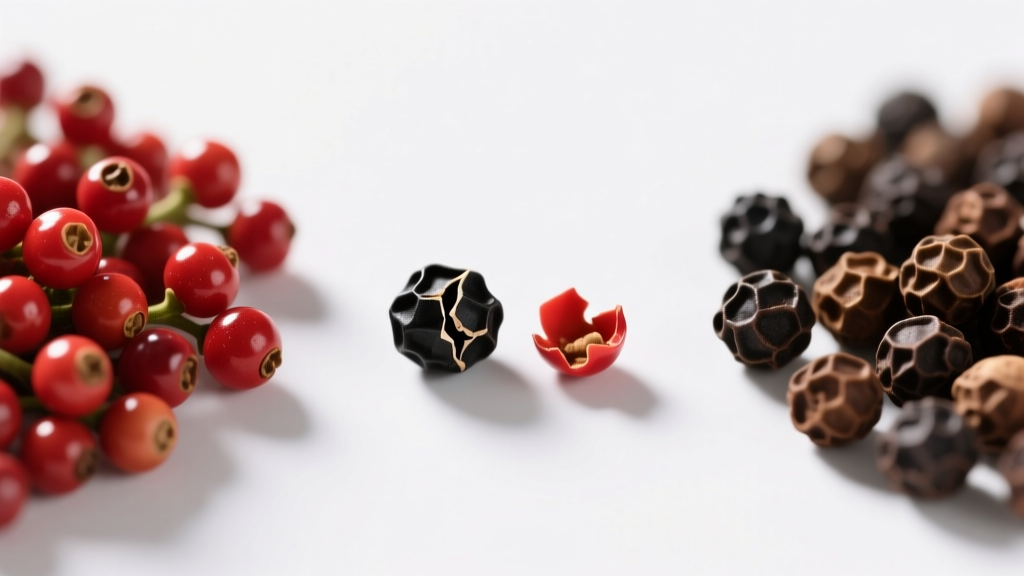
Sichuan Pepper vs Black Pepper: Compared
Two Peppercorns, Two Worlds
Despite sharing the name 'pepper,' Sichuan peppercorn and black pepper are completely unrelated plants. Their effects on your palate couldn't be more different.
What Is Sichuan Peppercorn?
Sichuan peppercorn is the dried husk of the prickly ash tree (Zanthoxylum). It contains hydroxy-alpha sanshool, which creates a unique tingling, numbing sensation called ma in Chinese. This isn't heat — it's a buzzing vibration on your tongue.
What Is Black Pepper?
Black pepper (Piper nigrum) contains piperine, which produces sharp, warming heat. It's the world's most traded spice and works as a universal flavor enhancer.
Key Differences
Sichuan peppercorn: numbing, citrusy, floral, used in Chinese cuisine. Black pepper: sharp, woody, pungent, used globally. They complement rather than replace each other.
The Magic of Ma La
In Sichuan cooking, the combination of Sichuan peppercorn (ma/numbing) and dried chili (la/hot) creates the famous ma la flavor profile. Black pepper plays almost no role in traditional Sichuan cuisine.
How to Use Each
Sichuan peppercorn: toast dry, then grind or use whole in braises. Add to mapo tofu, dan dan noodles, or kung pao chicken. Black pepper: crack fresh over steaks, use in marinades, or grind into sauces.
Can You Substitute One for the Other?
No direct substitute exists for Sichuan peppercorn's numbing effect. In a pinch, you can use black pepper for heat, but you'll lose the unique ma sensation entirely.
More Articles
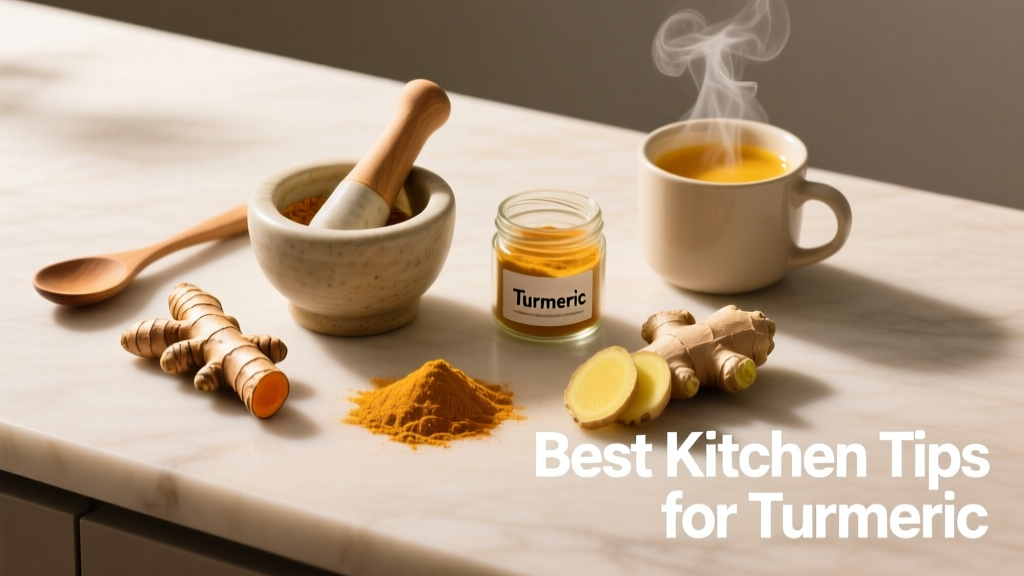 Best Kitchen Tips for Turmeric: From Stain Prevention to Flavor Maximization
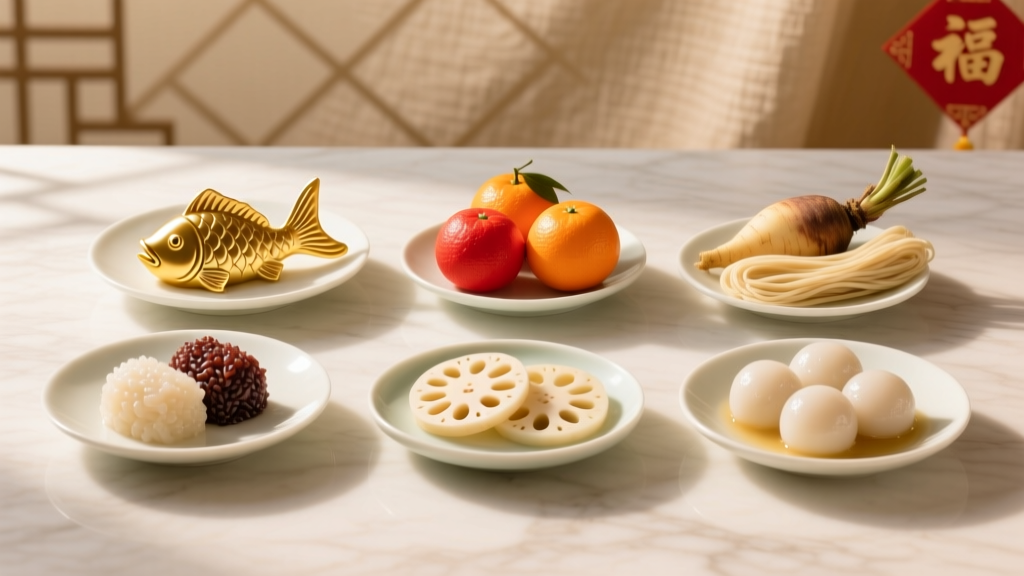 7 Lucky New Year's Food Traditions for Prosperity
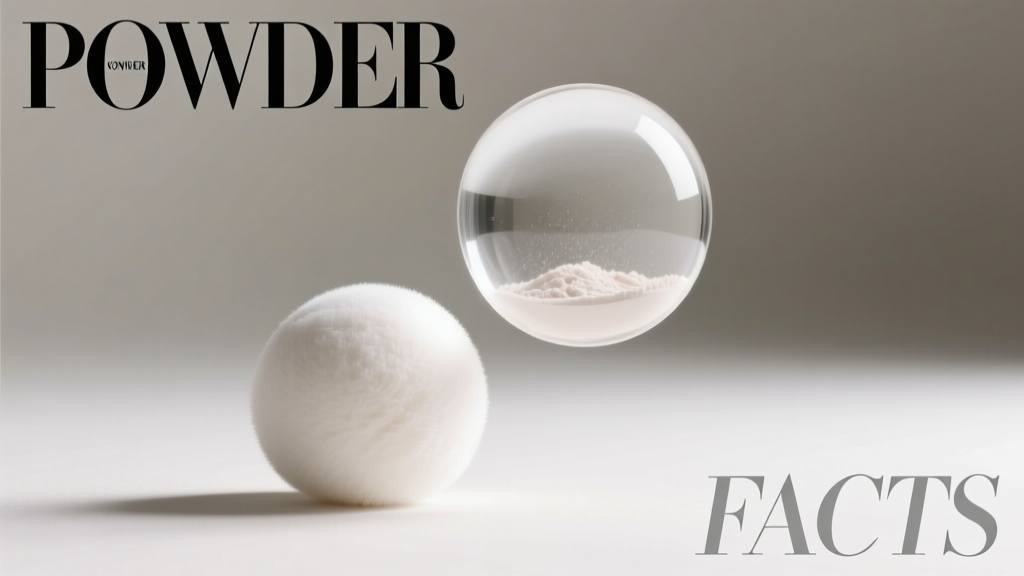 Powder vs. Facts: Why Ground Spices Lose Potency—and What the Data Really Shows
 Lowest Calorie Potato Varieties: Science-Backed Guide
 Sumac Spice: Tangy Uses & Health Perks
What Is Cardamom? A Quick Guide (2026)
Sumac Spice: Tangy Uses & Health Perks
What Is Cardamom? A Quick Guide (2026)
 Tomato Egg Stir-Fry: Authentic Chinese Recipe Guide
 Allspice vs Five Spice: Which to Use When
 Turmeric Storage and Usage Hacks (2026)