Mustard Seeds: Cooking Science & Flavor Tips
Three Types of Mustard Seeds
Mustard seeds come in three main varieties used in cooking: yellow (white), brown, and black. Each has distinct heat levels, flavor profiles, and culinary traditions. Understanding these differences transforms how you use this ancient spice.
Yellow Mustard Seeds
Yellow mustard seeds (Sinapis alba) are the mildest variety. They have a subtle, slightly bitter flavor that becomes more pungent when mixed with cold water. The enzyme myrosinase activates when the seed is crushed and hydrated, producing the characteristic mustard heat. Yellow mustard seeds are the primary ingredient in American yellow mustard and English mustard powder.
Brown and Black Mustard Seeds
Brown mustard seeds (Brassica juncea) are significantly hotter than yellow. They are the variety used in Dijon mustard and are a staple in Indian tempering (tadka). Black mustard seeds (Brassica nigra) are the hottest but are increasingly rare due to difficult harvesting.
The Science of Mustard Heat
Mustard heat is unique among spices. It develops through an enzymatic reaction: myrosinase converts glucosinolates into isothiocyanates. This reaction requires cold water — hot water deactivates the enzyme, resulting in bitter but not hot mustard.
Tempering Technique (Indian Cooking)
- Heat oil until it shimmers (not smokes)
- Add mustard seeds — they should pop within seconds
- When popping subsides (5-10 seconds), add remaining spices
- The hot oil partially deactivates myrosinase, producing a nutty flavor
Mustard Seed Pairing Guide
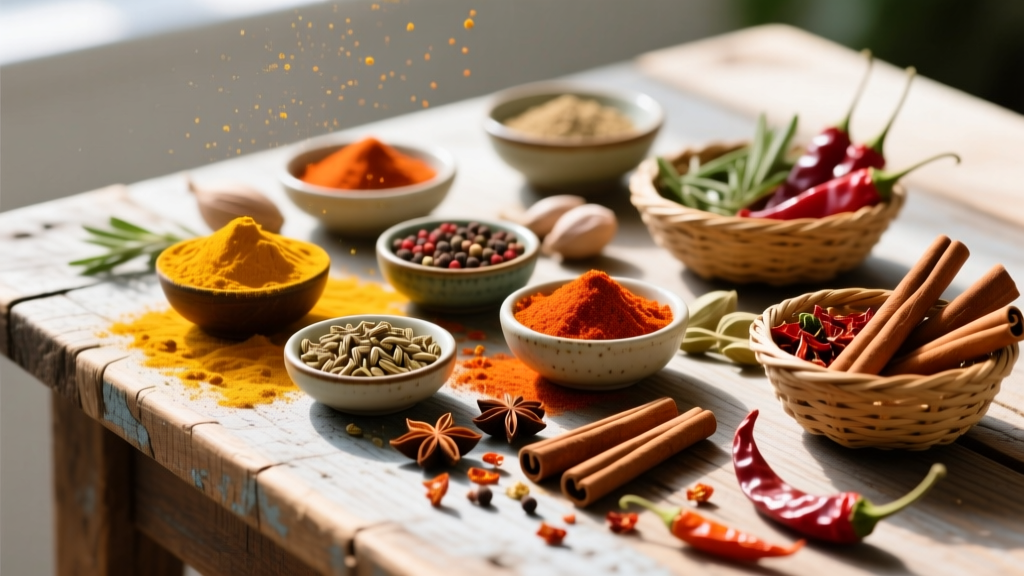
Mustard seeds pair well with cumin, fennel, turmeric, curry leaves, and dried chilies. In European cooking, they complement tarragon, bay leaves, allspice, and cloves. Try adding whole mustard seeds to pickling brines, salad dressings, and roasted vegetable dishes.
More Articles
 Cayenne Pepper vs Chili Pepper: Key Differences Explained
 Sichuan Peppercorn: Numbing Spice Guide
 Tiramisu Taste Explained: Coffee, Cream, Cocoa Balance
 Spinach Orzo: Simple Weeknight Dinner Done Right
 Rice with French Onion Soup Recipe: Quick 20-Minute Guide
 Simple Mushroom and Onion Recipe for Rich Gravy
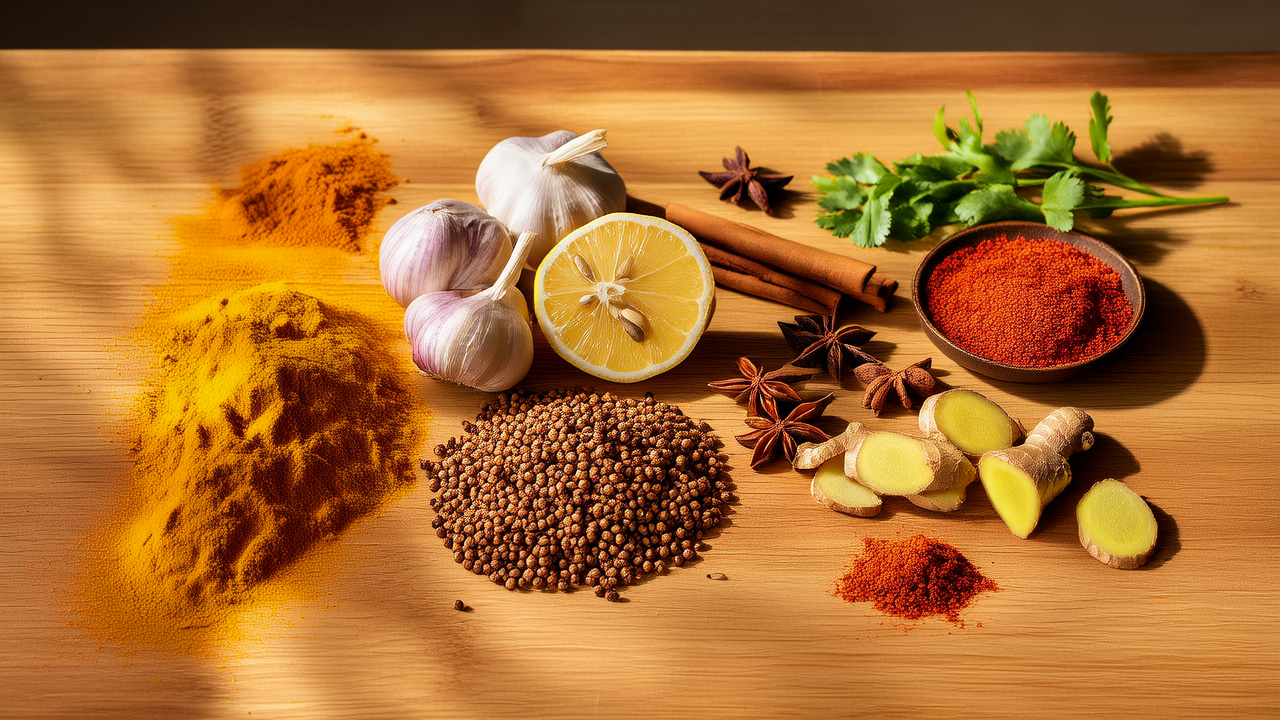 Paprika Types: Sweet, Hot, and Smoked
 The Spice Trade Routes: How Pepper Changed World History
 Leek and Mushroom Pasta: Simple Recipe & Pro Tips
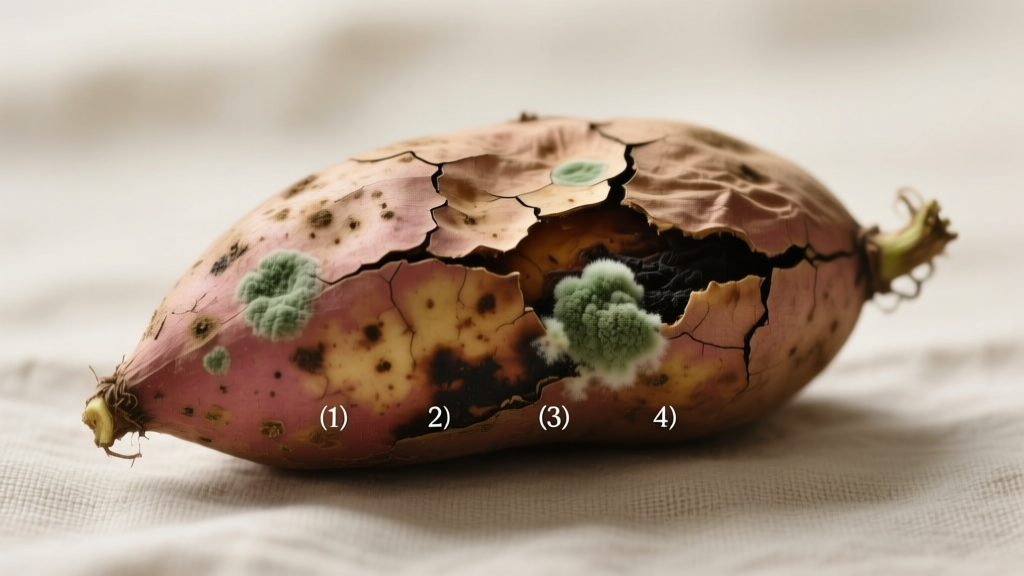 How to Tell If a Sweet Potato Is Bad: 5 Clear Signs