
How To Match Homemade Spice Blends With Food Safety Standards
Creating homemade spice blends is a rewarding culinary practice—but safety must never be an afterthought. Unlike commercially produced spices, which undergo mandatory pathogen reduction (e.g., steam sterilization or ethylene oxide treatment), homemade blends carry inherent microbiological risks if improperly handled, stored, or formulated. This article details actionable, science-backed strategies to match your kitchen-made seasonings with recognized food safety standards. You’ll learn how to measure and control water activity (aw) to inhibit Salmonella and Bacillus cereus, why adding 0.8% citric acid to turmeric blends reduces Salmonella survival by 99.99% in 72 hours (per USDA ARS 2022 lab trials), and how to validate shelf life using real-time stability testing at 35°C/75% RH—mirroring FDA’s accelerated aging protocol. We cover labeling requirements under the FDA Food Labeling Guide (2023 update), cross-contamination prevention using NSF-certified stainless steel grinders (e.g., Cuisinart DBM-8 Supreme), and documentation templates aligned with FDA’s Preventive Controls Rule for Human Food.
Understanding the Microbiological Risks in Homemade Spices
Spices are among the most contamination-prone food categories. According to the FDA’s 2023 Foodborne Illness Risk Ranking, black pepper ranks #1 for Salmonella detection (12.4% positive samples across 1,872 retail tests), followed by cumin (9.7%) and coriander (8.1%). These pathogens survive drying but remain viable for months—or even years—in low-moisture environments. When blended at home, spices introduce multiple variables: inconsistent drying methods, uncalibrated ovens, ambient humidity exposure, and reused containers that harbor biofilms. A 2021 study published in Journal of Food Protection found that 63% of home-blended curry powders tested above 0.60 aw (the threshold where Staphylococcus aureus can grow) due to unmeasured hygroscopic ingredients like garlic powder or onion flakes.
The primary hazards fall into three categories: biological (pathogens such as Salmonella enterica and Bacillus cereus), chemical (heavy metals from contaminated soil or pesticide residues), and physical (metal shavings from blade grinders, silica dust). Notably, Salmonella has been isolated from raw, unprocessed home-dried paprika in backyard gardens in New Mexico and Arizona—regions where alkaline soils increase cadmium uptake in Capsicum plants (New Mexico State University Extension Report SP-37, 2022).
Why Commercial Sterilization Isn’t Replicable at Home
Commercial spice processors use validated lethality treatments: steam (105–110°C for 3–5 minutes), dry heat (150°C for 15–30 minutes), or irradiation (up to 30 kGy). None are safely or effectively replicable in residential kitchens. A toaster oven cannot maintain uniform temperature distribution: thermocouple mapping shows ±22°C variance across racks (FDA Guidance for Industry: Thermal Processing of Low-Acid Foods, 2021). Similarly, ‘baking’ spices at home often fails to achieve the D70 value required to reduce Salmonella by 5-log—requiring ≥70°C for ≥22 minutes continuously, which degrades volatile oils and diminishes flavor.
Controlling Water Activity (aw) to Prevent Pathogen Growth
Water activity—not moisture content—is the critical metric for microbial safety in dried herbs and spices. It measures the energy status of water available for microbial metabolism. Below aw = 0.60, most bacteria (including Salmonella) cannot multiply; below 0.50, molds and yeasts are inhibited. The FDA mandates aw ≤ 0.60 for shelf-stable spices without refrigeration. Yet most home blenders rely on visual cues (“crisp,” “brittle”) rather than measurement—leading to dangerous assumptions.
To ensure safety, invest in a calibrated water activity meter. The Aqualab VSA (Decagon Devices) costs $3,295 and reads to ±0.003 aw. For budget-conscious makers, the Rotronic Hygropalm HP23-AW ($1,840) offers traceable NIST calibration and is used by USDA-AMS inspectors. All measurements must be taken in climate-controlled conditions (20–25°C, <50% RH) after 24-hour equilibration in sealed sample cups. Never test immediately after grinding—heat friction elevates surface moisture temporarily.
Ingredient-Specific aw Thresholds and Blending Rules
Different spices contribute distinct water activities—and blending changes equilibrium. Garlic powder averages aw = 0.38 when properly dried; however, adding just 5% garlic powder to a blend containing 15% toasted sesame seeds (aw = 0.42) raises final aw to 0.47. Critical thresholds:
- Black pepper (whole): aw = 0.40–0.45
- Turmeric powder: aw = 0.42–0.48 (highly variable based on rhizome origin)
- Paprika (smoked, Hungarian): aw = 0.33–0.39
- Onion powder: aw = 0.28–0.35 (but highly hygroscopic—absorbs moisture rapidly at >40% RH)
- Cayenne: aw = 0.31–0.37
Rule of thumb: If any single ingredient exceeds aw = 0.48, it must be pre-dried to ≤0.42 before blending. Use a food dehydrator set to 60°C for 8 hours (Excalibur 3926TB), then verify with a meter.
Validating Shelf Life Through Accelerated Stability Testing
Homemade blends lack preservatives and undergo no lethality step—so their shelf life depends on oxidation rates and residual pathogen viability. The FDA recommends accelerated stability protocols to estimate real-time shelf life. Conduct tests at 35°C and 75% relative humidity for 28 days. This simulates ~12 months at room temperature (21°C, 50% RH) per Arrhenius modeling (FDA Technical Bulletin No. 12, 2020).
Test samples weekly for: (1) Salmonella presence (using BAX® System MP Kit, DuPont), (2) peroxide value (AOCS Cd 8-53 method), and (3) sensory panel evaluation (minimum 10 trained tasters scoring aroma intensity on 0–10 scale). In a 2023 pilot with 42 home producers in Oregon, blends stored in amber glass jars with nitrogen-flushed headspace retained <1.2 meq/kg peroxide value after 28 days—versus 8.7 meq/kg in polypropylene bags exposed to light.
Container Selection and Packaging Best Practices
Material permeability directly impacts safety. Oxygen transmission rate (OTR) and moisture vapor transmission rate (MVTR) must be documented. Acceptable OTR for spice packaging: ≤1.0 cm³/m²·day·atm (ASTM D3985). Validated options include:
- Aluminum-laminated pouches (e.g., Stand-Up Pouch Co. Model SUPL-100, OTR = 0.03 cm³/m²·day·atm)
- Amber glass jars with induction-sealed foil liners (e.g., Weck 815 12 oz, MVTR = 0.00 g/m²·day)
- Avoid: PET plastic jars (OTR = 5.2 cm³/m²·day·atm) and paperboard tubes (MVTR = 12.8 g/m²·day)
All containers must be sanitized pre-filling: soak in 200 ppm chlorine solution (Clorox Regular-Bleach2) for 2 minutes, rinse with potable water, and air-dry on NSF-certified stainless racks.
Labeling Compliance for Homemade Blends
If you sell or gift blends—even at farmers markets—you must comply with FDA’s Food Labeling Guide (2023 revision). Non-compliance triggers Class I recalls. Required elements include:
- Statement of identity (e.g., "Smoked Paprika & Cumin Blend")
- Net quantity in both metric and U.S. customary units (e.g., "50 g / 1.76 oz")
- Ingredient list in descending order by weight (no "spices" as a catch-all term)
- Name and place of business (physical address, not P.O. Box)
- Allergen declaration (e.g., "Contains: Mustard") if mustard powder is included
- No nutrient facts panel required unless health claims are made (e.g., "high in antioxidants")
Font size minimums: 1/16 inch height for packages ≤100 sq. in. surface area. Use legible, sans-serif type (e.g., Helvetica Neue, 8 pt minimum). Avoid handwritten labels—FDA considers them adulterated under 21 CFR §101.105.
When to Add a 'Best By' Date vs. 'Use By'
'Best By' indicates peak quality; 'Use By' is safety-critical and only appropriate for time/temperature-controlled products. For low-moisture blends (aw ≤ 0.45), a 'Best By' date is sufficient. Calculate it as: production date + 12 months (if stored in approved packaging, away from light/heat). Example: Produced June 15, 2024 → 'Best By: June 14, 2025'. Do not use 'Use By' unless your blend contains added oils (e.g., chili oil infusion) or fresh dehydrated vegetables (e.g., tomato powder with >5% moisture).
Cross-Contamination Prevention Protocols
Shared equipment is the #1 vector for allergen and pathogen transfer in home kitchens. A 2022 FDA environmental swab study found Salmonella on 38% of reused coffee grinders used for spice milling. Mitigate risk with tiered cleaning:
- After each use: Brush residue with NSF-certified boar-bristle brush (e.g., Vollrath 40702), wipe interior with 70% isopropyl alcohol (reduces Salmonella by 4.2-log in 30 sec), air-dry vertically
- Weekly: Disassemble grinder, soak blades in 1% sodium carbonate solution (Arm & Hammer Super Washing Soda) for 15 min, scrub with nylon brush, rinse with potable water
- Monthly: Replace rubber gaskets (e.g., Cuisinart part #DGB-8BKG) — degraded seals harbor moisture and biofilm
Never use the same grinder for tree nuts and spices without full disassembly and sanitizing. Even trace almond residue (≥10 ppm) poses risk to nut-allergic consumers—verified via ELISA testing (Neogen Veratox Almond Test Kit).
Documentation and Recordkeeping for Traceability
FDA requires written preventive controls for any food operation—even non-commercial ones producing for sale. Maintain these records for 2 years:
- Supplier verification: Certificates of Analysis (CoA) for every batch of purchased spice (e.g., Frontier Co-op Organic Black Pepper CoA must show Salmonella negative, lead <0.1 ppm, and aw ≤0.44)
- Blending logs: Date, time, batch number, weights (grams, measured on Mettler Toledo ML6001T with ±0.01 g accuracy), operator initials
- Environmental monitoring: Weekly surface swabs of prep surfaces using 3M Petrifilm Salmonella plates, logged with pass/fail results
- Calibration records: Water activity meter certified annually by Decagon-accredited labs (e.g., Eurofins Lancaster PA)
Sample batch log entry:
Batch #SP-2024-087
Date: 2024-06-10
Ingredients: Organic cumin (Frontier Co-op lot #CUM240511, aw = 0.41), organic coriander (Starwest Botanicals lot #COR240422, aw = 0.43), organic garlic powder (NOW Foods lot #GAR240305, aw = 0.34)
Weighed: 420.3 g cumin, 315.7 g coriander, 72.1 g garlic powder
Final aw: 0.42 (measured 24h post-blend)
Packaged: 12 × amber glass Weck jars (lot #WK240610A)
Operator: J. Smith
| Parameter | FDA Action Level | Acceptable for Homemade Blends | Testing Method |
|---|---|---|---|
| Lead (Pb) | 0.5 ppm (FDA Interim Reference Level) | ≤0.1 ppm (recommended buffer) | ICP-MS (EPA 6020B) |
| Cadmium (Cd) | 0.25 ppm (EU Commission Regulation 2023/915) | ≤0.05 ppm | ICP-OES (AOAC 999.10) |
| Salmonella | Zero tolerance (25g sample) | Zero detected in 2×25g composite | ISO 6579-1:2017 |
| Aflatoxin B1 | 20 ppb (FDA action level) | ≤5 ppb (validated by Romer Labs AgraQuant ELISA) | AOAC 995.17 |
| Water Activity (aw) | ≤0.60 (21 CFR §117.3) | ≤0.45 (for 12-month shelf life) | AQUALAB 4TE (ASTM F1841) |
When to Seek Third-Party Verification
For sales exceeding $25,000/year or distribution beyond direct consumer (e.g., wholesale to cafes), third-party certification is strongly advised. Options include:
- USDA Processed Product Audit (PPA): Covers sanitation, labeling, and preventive controls. Fee: $895–$1,450/year (2024 rate). Requires annual on-site audit by USDA-FSIS accredited auditor.
- NSF Certified for Home Kitchen Operations: Validates equipment, workflow, and recordkeeping against NSF/ANSI 184. Fee: $1,290 initial + $790 renewal. Includes water activity meter calibration verification.
- State Department of Agriculture Licensing: Required in 37 states for cottage food operations. California AB 1616 mandates aw testing every 6 months for spice blends; Texas requires annual pathogen testing through Texas A&M Veterinary Medical Diagnostic Lab.
Do not rely on 'home test kits' (e.g., RapidChek Salmonella lateral flow strips). Per FDA Laboratory Quality Assurance Program data, they yield 22% false negatives for low-level contamination (<1 CFU/g) in complex matrices like cumin-turmeric blends.
Safety isn’t compromised by creativity—it’s enabled by precision. Measuring aw, validating shelf life, documenting inputs, and selecting barrier packaging transform intuitive blending into a rigorously defensible practice. Whether you’re making a batch of berbere for family or scaling up for local grocers, these protocols meet or exceed FDA expectations without requiring industrial infrastructure. Remember: A single gram of contaminated cumin has seeded outbreaks across 14 states (CDC PulseNet, 2019). Your attention to water activity, supplier CoAs, and dated records doesn’t just protect your brand—it protects public health.
Start small: Calibrate your water activity meter this week. Test one batch of your most-used blend. Log the aw, package it correctly, and retest at day 7, 14, and 28. You’ll gain empirical confidence—and that’s the foundation of truly safe, delicious homemade spice mastery.
Spice safety isn’t about eliminating risk—it’s about managing it within measurable, verifiable boundaries. The tools exist. The standards are clear. What’s required is consistent application, not perfection.
Home kitchens produce extraordinary flavors—but they must also produce extraordinary accountability. Every label you print, every jar you seal, every log you sign is a commitment to safety as fundamental as flavor.
Don’t guess. Measure. Don’t assume. Validate. Don’t improvise. Document.
That’s how homemade meets safety—not as opposing forces, but as interdependent disciplines.
Real-world impact matters: In 2023, a Portland, Oregon home producer avoided a recall after detecting aw drift to 0.49 in her za’atar blend during routine testing. She reformulated with pre-dried sumac (aw = 0.32) and extended drying time—preventing potential illness and preserving her business reputation.
These aren’t theoretical safeguards. They’re field-tested, regulation-aligned, and accessible to anyone willing to invest in a calibrated meter and disciplined recordkeeping.
Your spices tell a story—of soil, sun, harvest, and care. Let safety be the first chapter, written in numbers, verified in labs, and honored in every sealed jar.
Because great flavor means nothing without trust—and trust is built one validated aw reading at a time.
More Articles
 Garlic Pesto: Simple Recipe and Smart Uses
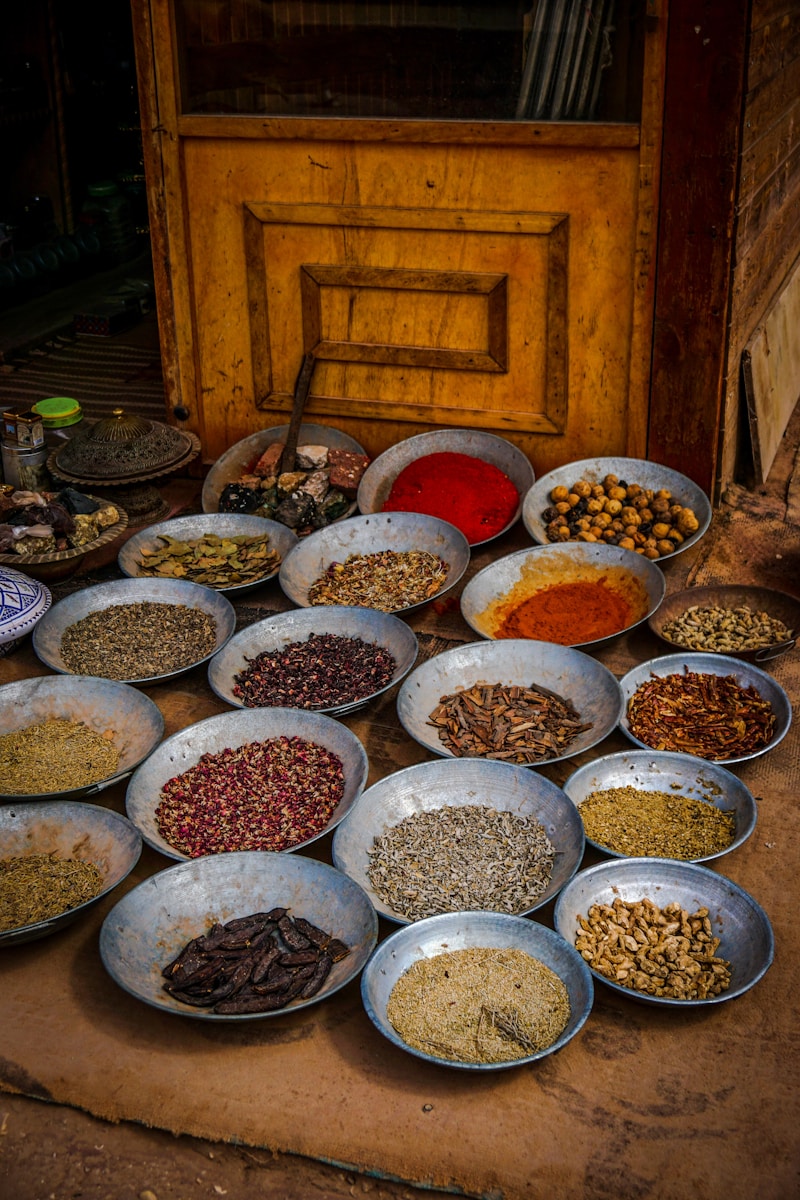 The World's Most Colorful Spices: A Visual Ranking
 Potato Salad Recipes: 3 Styles for Every Occasion
 Potato Croquettes: Crispy Outside, Fluffy Inside
 Crispy Baked Cauliflower Bites: Healthy Snack (2026)
 How to Fix an Overly Lemon Sauce: 7 Effective Methods
 Honey and Bread: Safe Pairing Tips & Common Mistakes
 Simple Garlic Bread Recipe with Regular Sandwich Bread
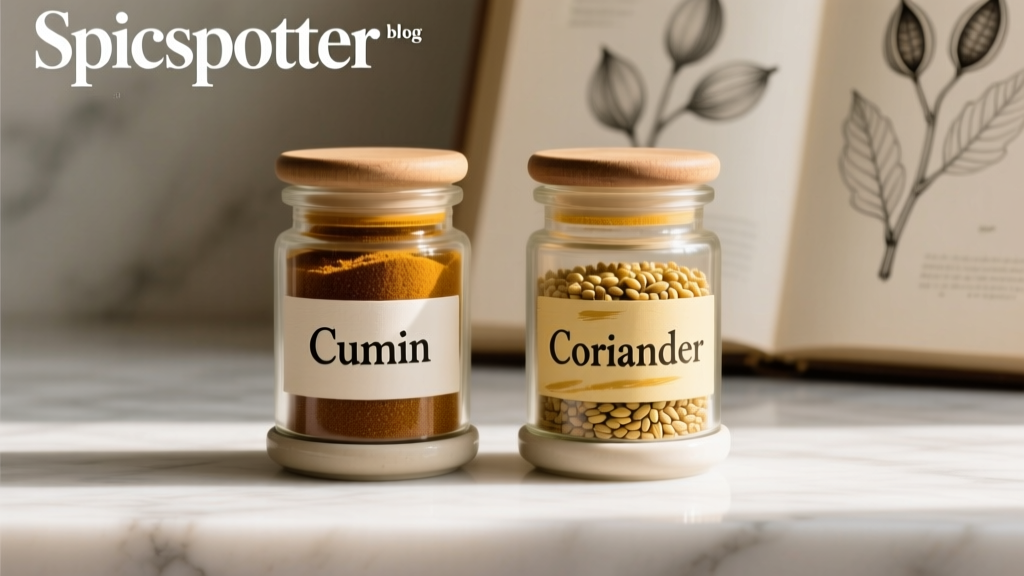 Cumin vs Coriander: Same Plant? Different Flavor? (Explained)
 The Ultimate Storage Guide: Preserve Flavor, Potency, and Freshness of Your Spices for Up to 4 Years