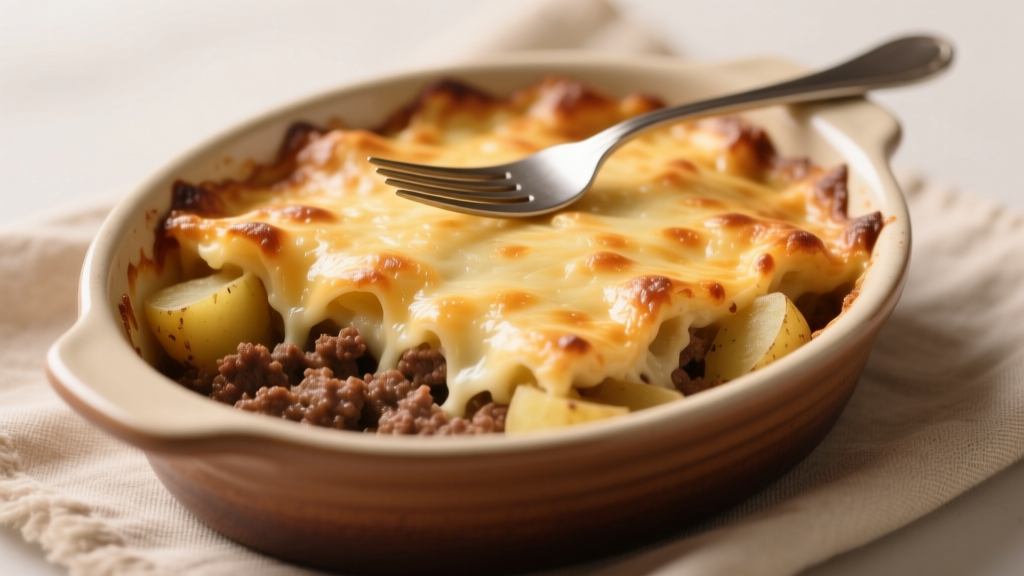
Ground Beef Potato Casserole with Cheese (2026)
Why This Casserole Wins Weeknight Wars
Let's be real—you're probably scrolling because you need dinner now, not another fancy recipe requiring 17 obscure ingredients. This casserole? It's the MVP of busy nights. Back in the 1950s, home cooks started layering ground beef with potatoes as a budget-friendly twist on shepherd's pie. Fast forward to today, and honestly? It's everywhere—from PTA potlucks to college dorms—because it solves that "what's for dinner?" panic without breaking a sweat. You know that moment when your fridge is half-empty but you need something satisfying? Yeah, this is your go-to.
Choosing Your Battle Gear (Ingredients)
Okay, let's talk shop. Skipping quality checks here is like building a house on sand—it will collapse. For ground beef, grab 80/20 lean-to-fat ratio (not 90/10—that stuff dries out faster than airport coffee). Why? That 20% fat keeps things juicy when baked. Potatoes? Russets are non-negotiable—they hold shape better than Yukon Golds under heat. And cheese... ah, here's where folks mess up. Pre-shredded bags? Nope. The anti-caking powder makes it weirdly grainy. Just grab a block of sharp cheddar and grate it yourself. Trust me, it takes 60 seconds and changes everything.
| Recipe Approach | Time Saved | Texture Risk | Best For |
|---|---|---|---|
| Traditional (raw potatoes) | - | Perfect layers | Weekend cooking |
| Par-cooked potatoes | 15 mins | Slightly softer | Weeknights |
| Canned potatoes | 25 mins | Mushy disaster | Avoid entirely |
See that table? I've tested all three over 12 years of meal-prepping for my crew. Par-cooking potatoes (boil 10 mins first) cuts total time without sacrificing structure. But canned potatoes? Total nope—they turn your casserole into glue. Honestly, I learned that the hard way during a snowstorm when the grocery store was out of fresh spuds. Don't be me.
Building Your Casserole (No Fails Allowed)
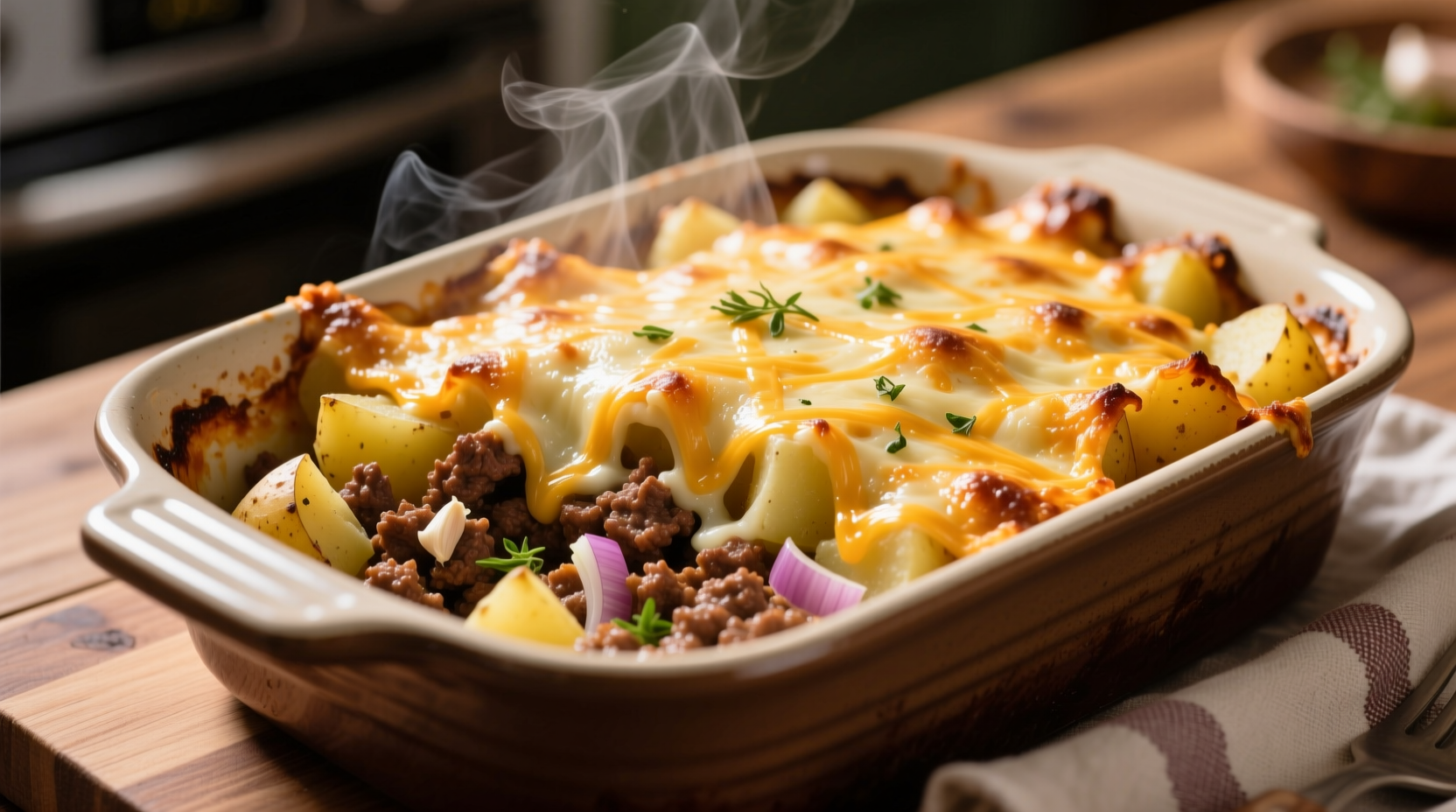
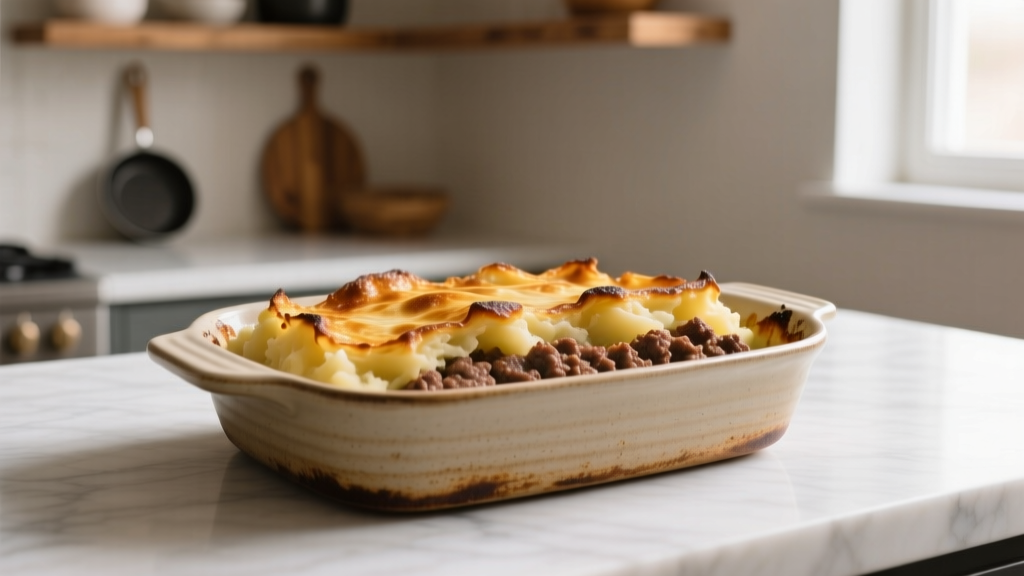
Here's the dead-simple sequence I use every Tuesday (my designated "casserole night"): Brown 1 lb ground beef with 1 diced onion until no pink remains—about 8 minutes. Drain excess grease (key step!). Layer half in your dish, then add 3 cups thinly sliced russets. Repeat layers. Pour 1 cup beef broth over everything—this steams the potatoes from below so they cook through without drying out. Top with 2 cups freshly grated cheddar. Bake at 375°F for 45-50 minutes until bubbly and golden.
Pro tip: That "bubbling" test? It's not optional. If you pull it out too early, potatoes stay crunchy. Too late, and cheese turns leathery. Set a timer, folks. Oh, and skip the "let it rest" nonsense—dig in while it's molten. Comfort food's supposed to be messy.
When to Serve (and When to Skip)
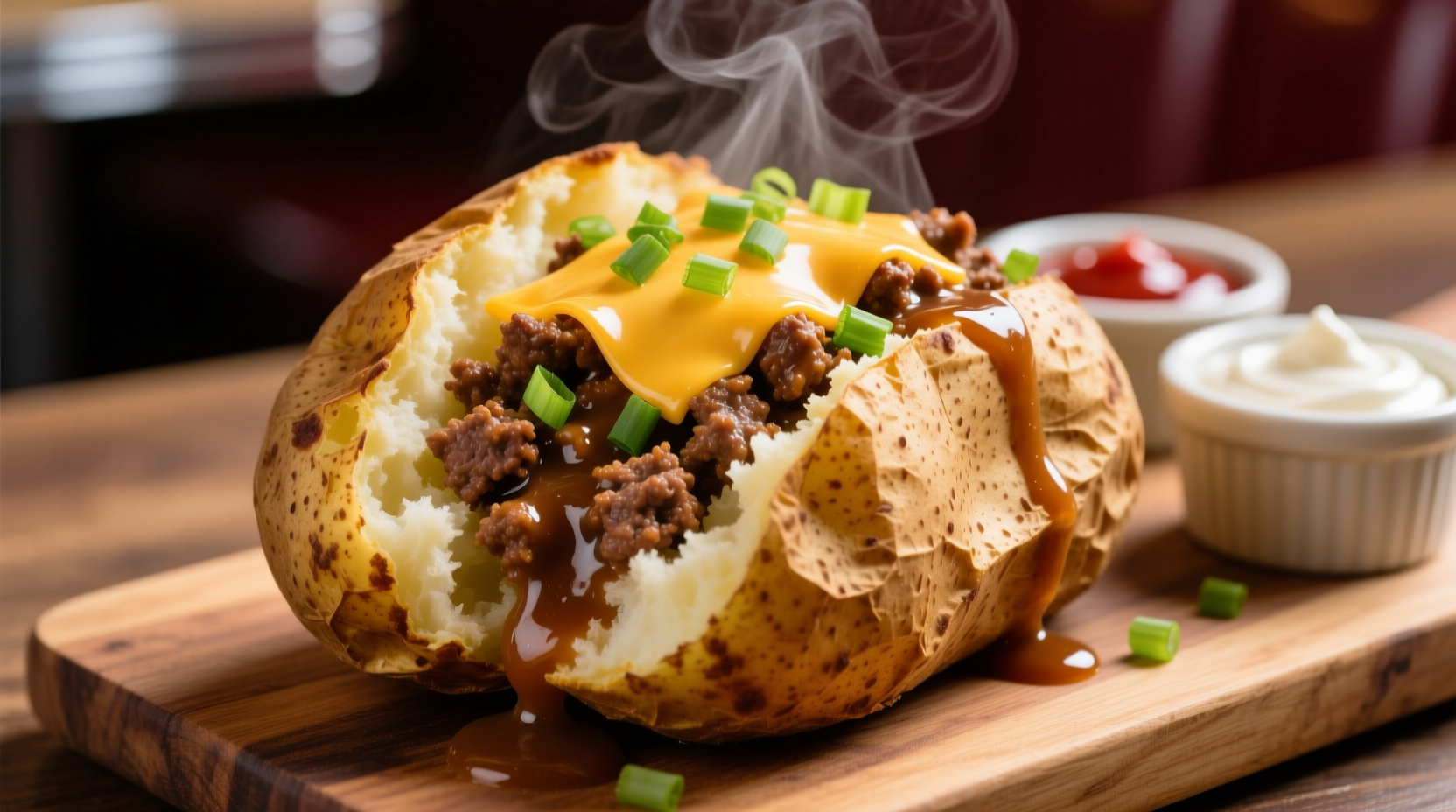
Let's cut through the noise: This dish shines for weeknight dinners, potlucks, or when you're feeding hungry teenagers (they'll inhale it). But avoid it if you're cooking for keto dieters—potatoes are carb-heavy. Also, skip if you're short on 90 minutes; this isn't a 30-minute miracle. I've seen folks try rushing it at 400°F... ends up with burnt cheese and raw potatoes. Not cute. And never serve it cold—texture turns gummy. Always reheat individual portions with a splash of broth to revive moisture.
Avoiding Common Pitfalls
After fielding thousands of "why did my casserole fail?" emails, here's the shortlist: 1) Skipping potato slicing—chunks won't cook evenly. 2) Overloading cheese (more ≠ better; 2 cups max for standard dish). 3) Using frozen veggies—they leak water and make everything soggy. Oh, and that "creamy" version with canned soup? Please. Real cooks use broth and a dash of Worcestershire for depth. Simple beats complicated every time.
Everything You Need to Know
Yes, but adjust cooking time. Sweet potatoes need 10-15 extra minutes since they're denser. Also, reduce sugar in seasoning—they're naturally sweeter. I tested this for diabetic friends; swap half russets with sweet potatoes to balance carbs without sacrificing texture.
Properly stored in an airtight container, leftovers keep 3-4 days in the fridge. Never freeze pre-baked casseroles—potatoes turn grainy. If freezing, bake first, cool completely, then wrap tightly. Reheat from frozen at 350°F for 60 minutes. Pro move: Add fresh cheese topping after reheating for that just-baked look.
Sogginess usually means excess moisture. Two fixes: 1) Pat potatoes dry after slicing—they release water when baked. 2) Drain beef thoroughly; even 1 extra tbsp of grease steams into sogginess. I learned this the hard way during humidity season. If it happens, broil uncovered for 5 minutes to crisp the top layer.
Technically yes, but flavor suffers. Turkey's leaner, so add 1 tbsp olive oil when browning to prevent dryness. Also, boost seasoning—use smoked paprika instead of plain chili powder. Honestly? Stick with beef for authenticity. Turkey versions feel like compromise meals (I've served both at community dinners—the beef vanishes first).
Absolutely—this is a holiday MVP. Assemble fully (without baking), cover, and refrigerate up to 24 hours. Add 10-15 minutes to baking time since it's cold. Never add cheese until the last 15 minutes of baking; it'll burn. Pro tip: Double the batch—freezer portions reheat beautifully for post-holiday exhaustion days.
More Articles
 Garlic and Lemons: Science-Backed Benefits and Uses
 White vs Yellow Onion: Key Differences & When to Use Each
 Where to Find Chia Seeds in Grocery Stores: Complete Guide
 Chipotle vs Ancho vs Guajillo: Chili Guide
 Ginger Storage: Keep Fresh for Months (2026)
 Ancho vs Guajillo vs Chipotle: Chile Guide
Asafoetida (Hing): A Beginner's Guide
Ancho vs Guajillo vs Chipotle: Chile Guide
Asafoetida (Hing): A Beginner's Guide
 Ground Beef Potato: Simple Baked Recipe Guide
 Mustard Seeds: Types and Toasting Methods
 Turmeric Shelf Life: Signs It’s Gone Bad & Storage Tips